White’s Illusion
White’s Illusion — 2026, generated SVG, dimensions variable · Luminance · Still
After Michael White, 1979
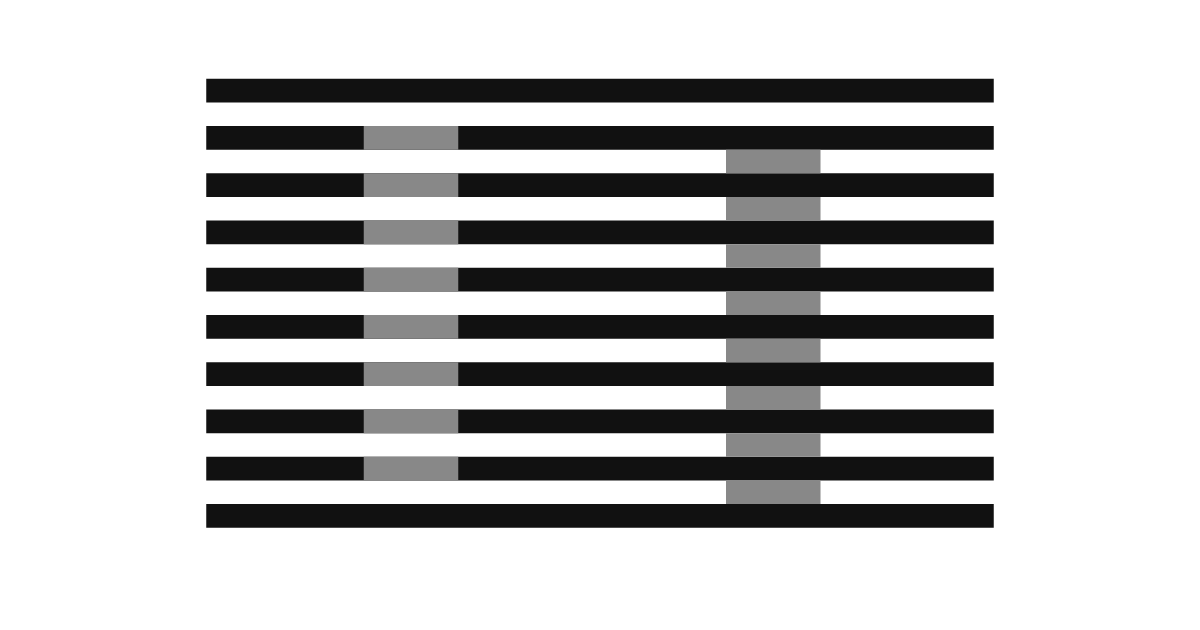
Are both gray columns equally bright?
Are the two gray columns equally bright?
Share
Reveal the answer
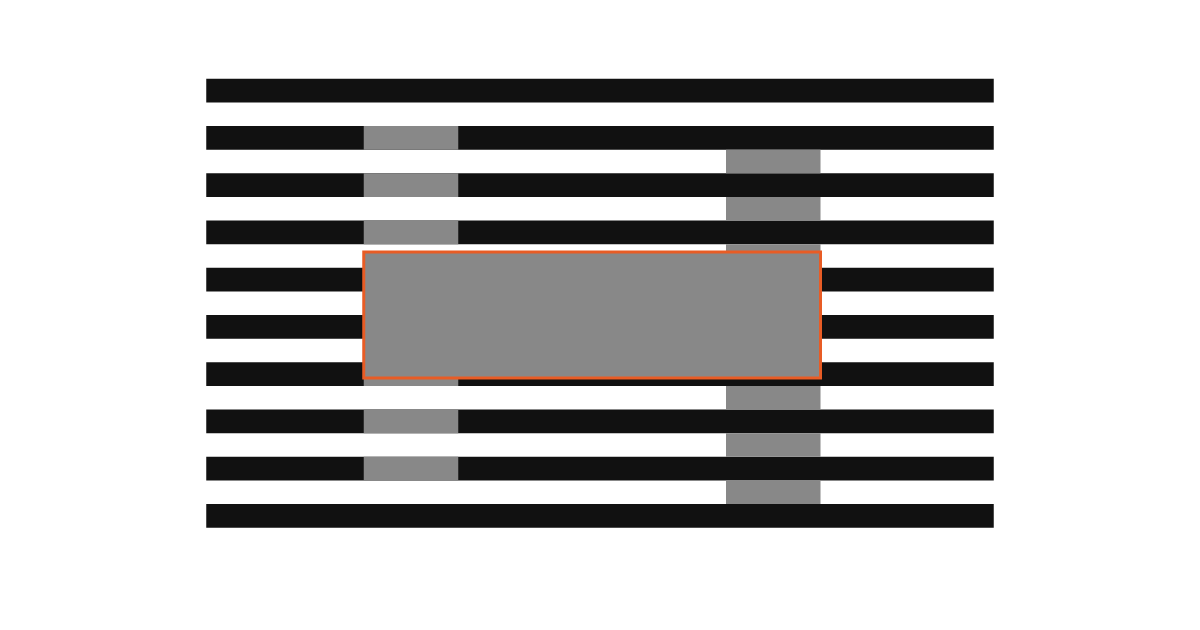
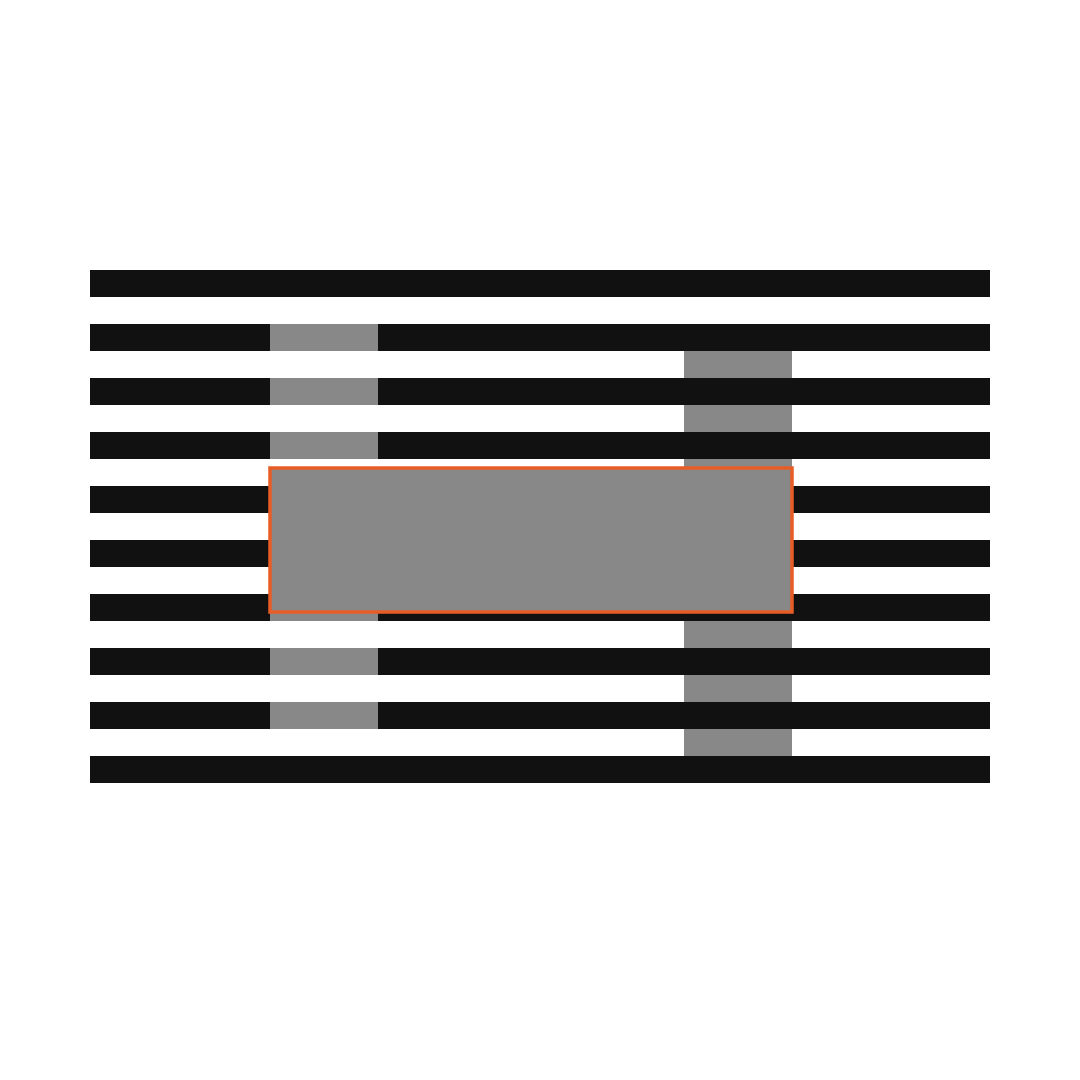
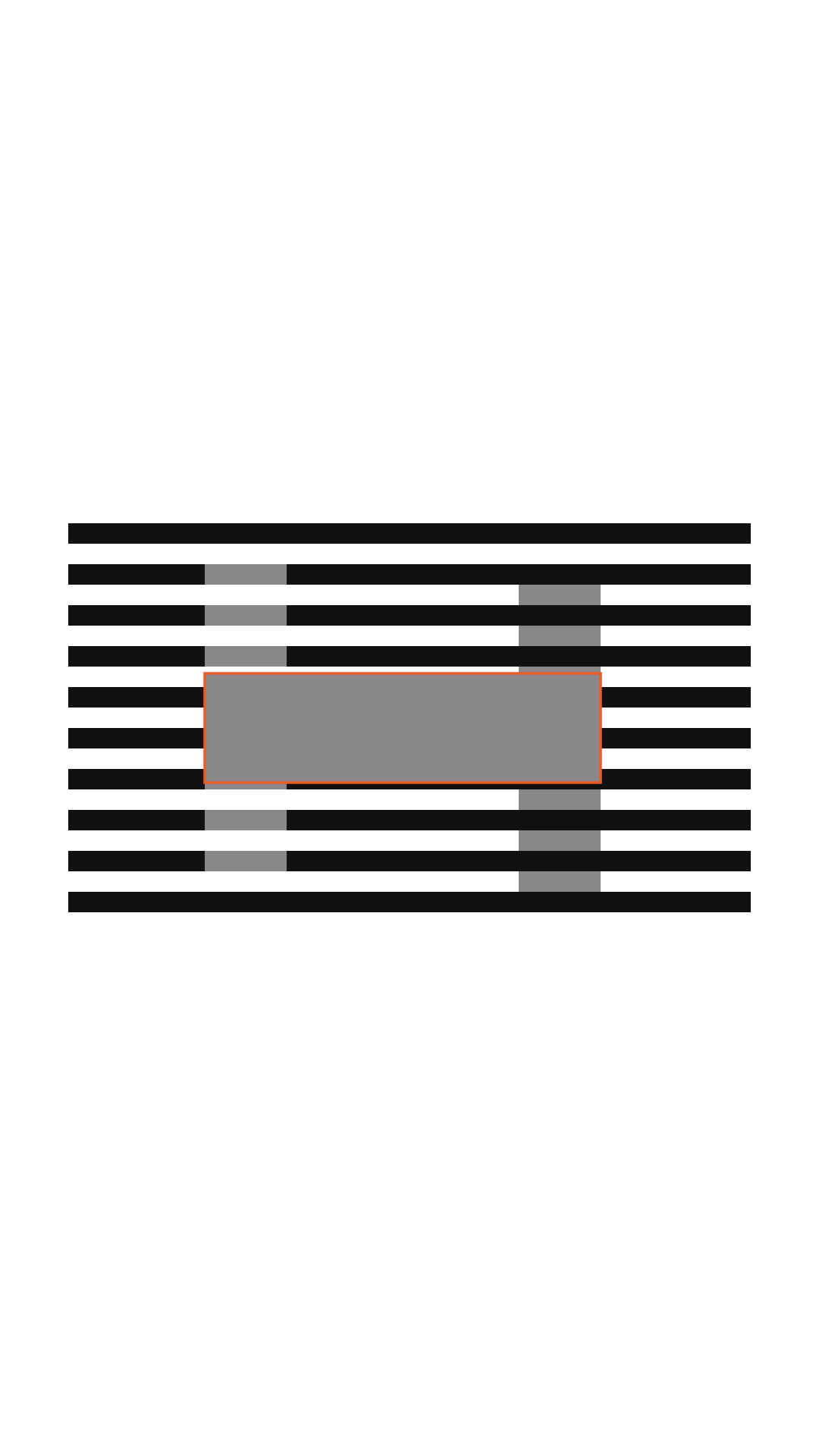
Every fragment on both sides is the same gray.
↑ The mechanism, made visible.

Notes — why it looks that way
What is happening
The fragment on the left replaces a black stripe; the fragment on the right replaces a white stripe. Both fragments are the same size and the same gray. Rather than just counting the black and white touching each side, pay attention to what each fragment looks like a continuation of.
Why it looks that way
Whether a gray fragment reads as a continuation of the white stripes or the black stripes changes the impression of its brightness. It’s not just the difference with adjacent colors — how regions group together and the direction of the lines both matter. This is a case that simple lateral inhibition alone can’t fully predict.
How to check
Hide the black-and-white stripes and only the two columns of fragments remain. Revealing the answer adds a horizontal band, also in the same gray as the fragments. Look at the stripes above and below, then move your eyes to the band, and compare the brightness impression with and without that context.
For reference: Michael Bach’s explanation. The figure here is an original implementation for this site.
First described
After Michael White, 1979
An example showing brightness is not determined by "contrast with the immediate neighbour" alone.


Media — images and data
- OG / X (1200×630)
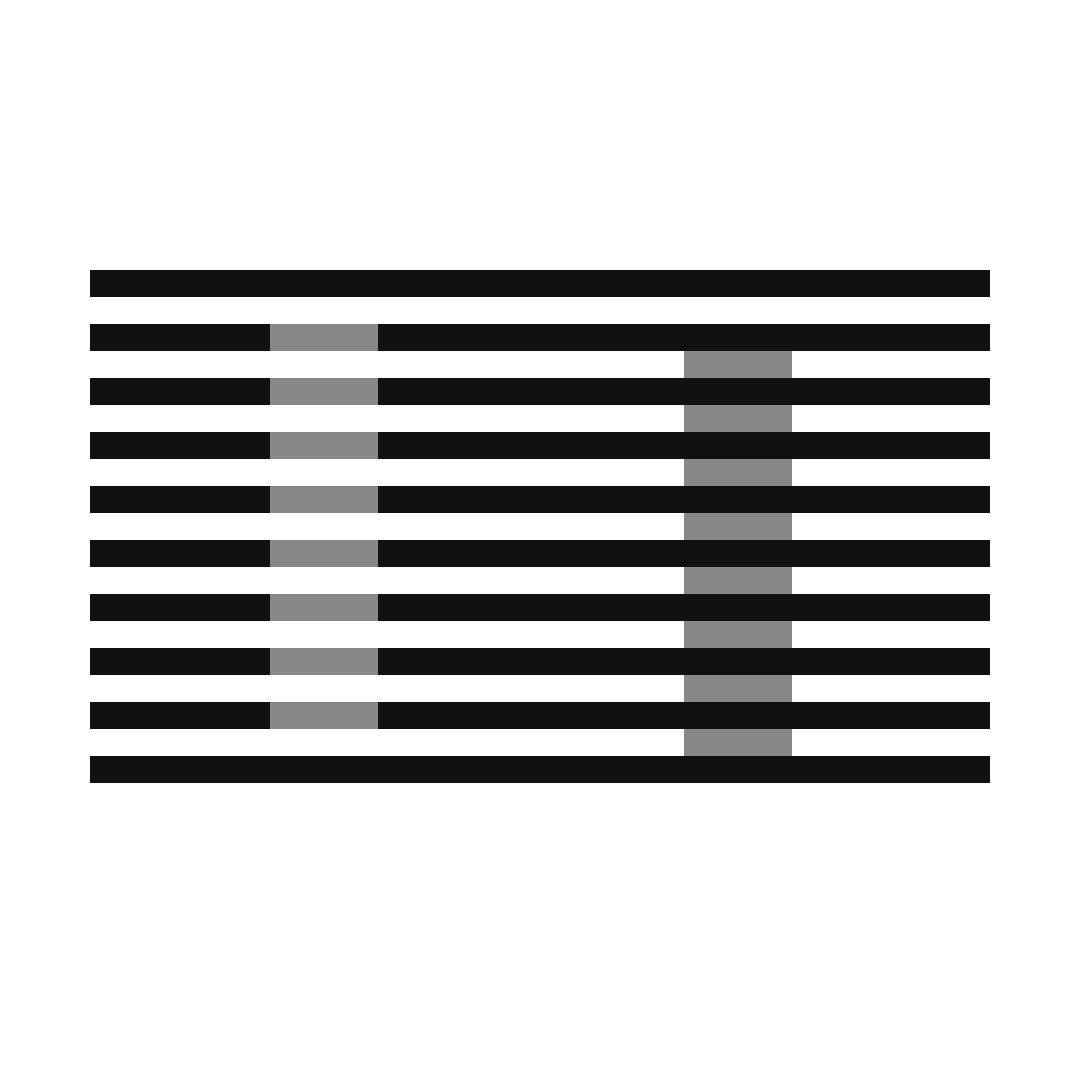
- Instagram square (1080×1080)
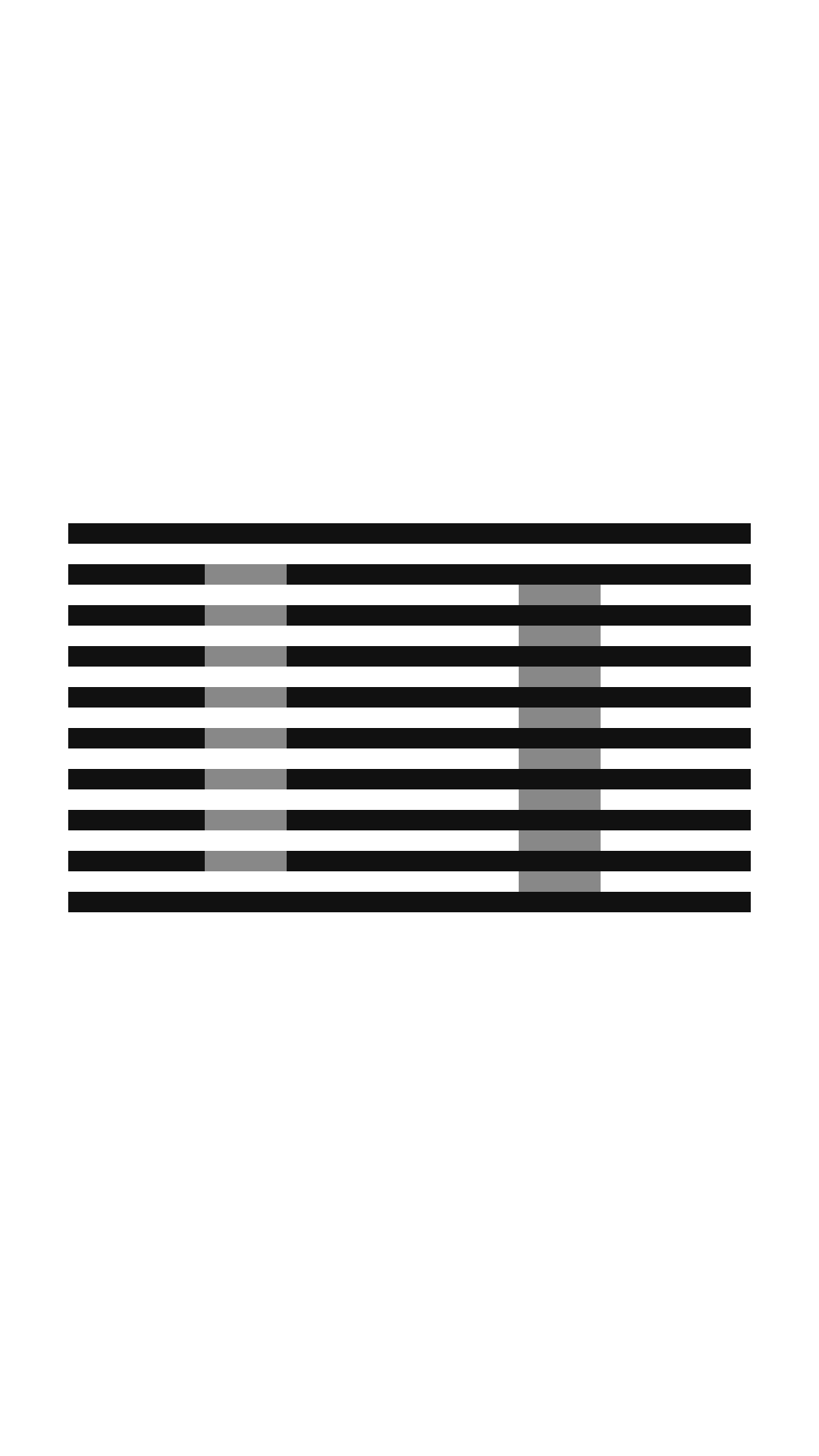
- Shorts / Reels vertical (1080×1920)
- Answer image — landscape (X)
- Answer image — square (Instagram)
- Answer image — vertical (Shorts)
- Post drafts (JSON)
Free to use for non-commercial purposes such as classes, school projects and blogs, with a link back to this page as the credit. Commercial use is not covered
Every figure is generated here from the phenomenon itself (re-implemented). The general White's illusion principle is re-implemented here as SVG. No existing figure or code is reproduced.