



What are color and brightness illusions?
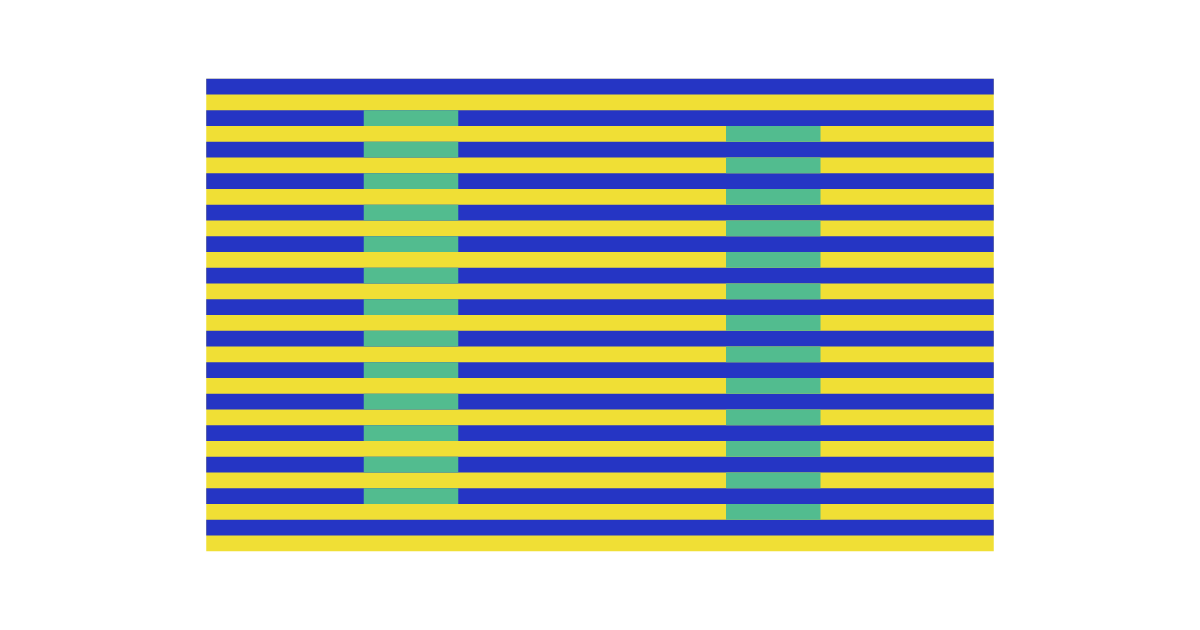
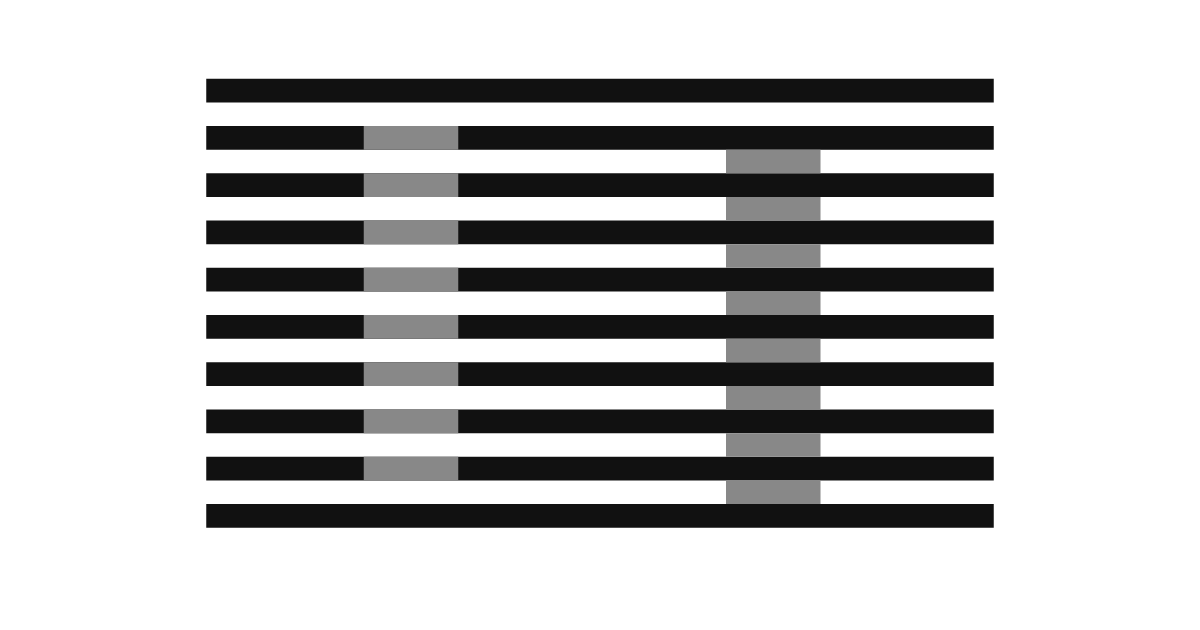
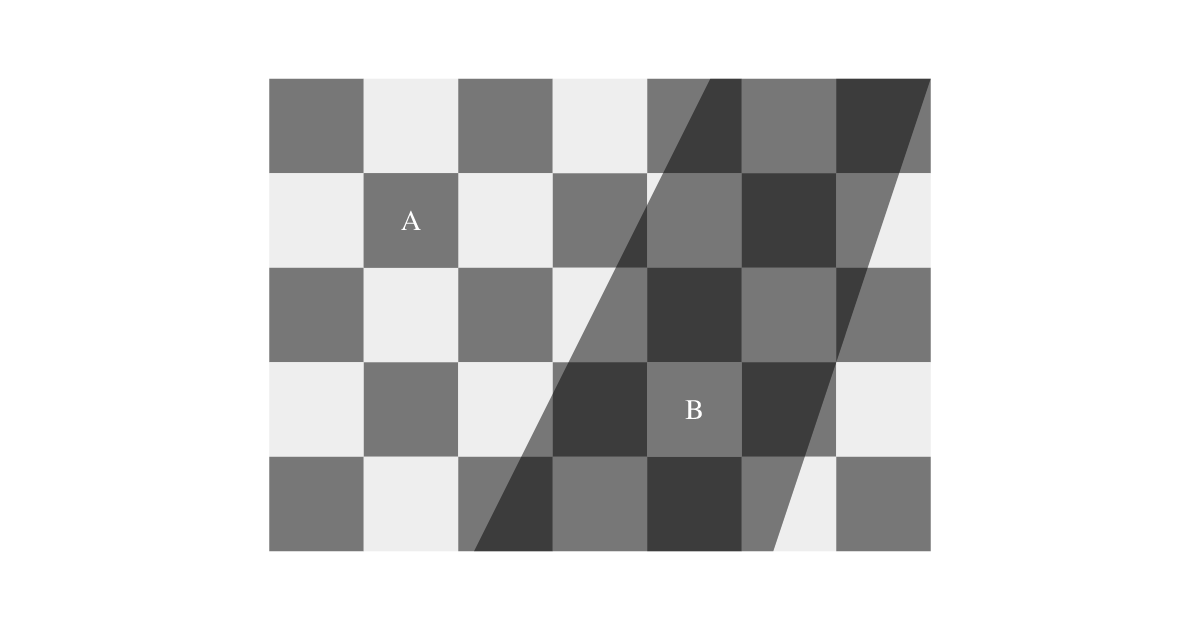
Color and brightness illusions make a color that is exactly the same on screen look lighter, darker or a different shade depending on where it sits. In every figure here, the parts being compared are drawn with the same color value. Pick them up with an eyedropper and you get the same numbers.
What kinds are there?
- Contrast with the surroundings: Simultaneous Contrast and the Gradient Bar. A gray looks lighter on a dark background and darker on a light one.
- Pulled toward the surroundings (assimilation): White’s Illusion and Munker Colors. Unlike contrast, the color seems to drift toward the stripes it overlaps.
- Reading shadows: the Checker Shadow. Vision reasons that a square sitting in shadow must really be lighter, and subtracts the lighting.
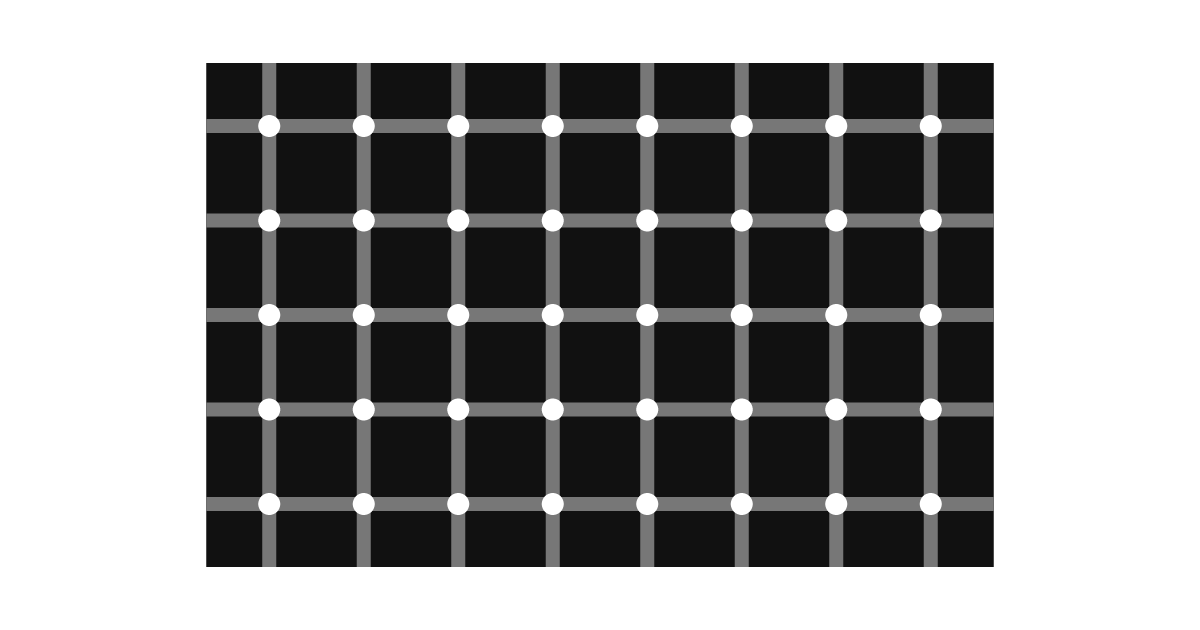
- Emphasized edges: Mach Bands, the Hermann Grid and the Scintillating Grid. You see bands and dots that were never drawn.
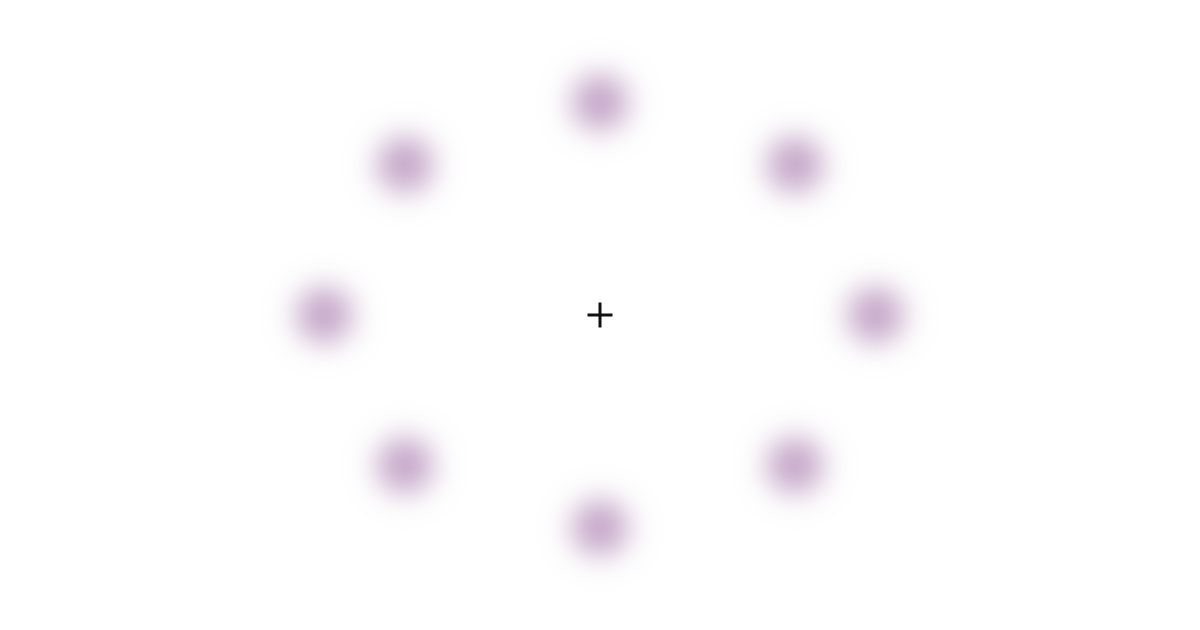
- Fading when you stare: the Fading Dots (Troxler effect). A blurry, motionless pattern fades away as you keep looking at it.
Why does the same color look different?
The eye is not an instrument that reads light as an absolute value. Brightness is judged by the difference from the surroundings, and color by its balance against the lighting. That is why a white sheet of paper looks white both in midday sun and in an evening room. The same mechanism shows up as an illusion on a flat screen.
Check it yourself
On figures with a “Remove the context” button, hiding the background or stripes shows that the compared parts are the same color. You can also cover the surroundings with a finger or a piece of paper. Changing your screen brightness barely weakens the illusion.