
What are motion illusions?
Motion illusions make something that is standing still look as if it is moving, or make a steady movement seem to speed up or stop. They do not work by building a clever picture. They work on the eye’s own motion detection.
Illusions in this category
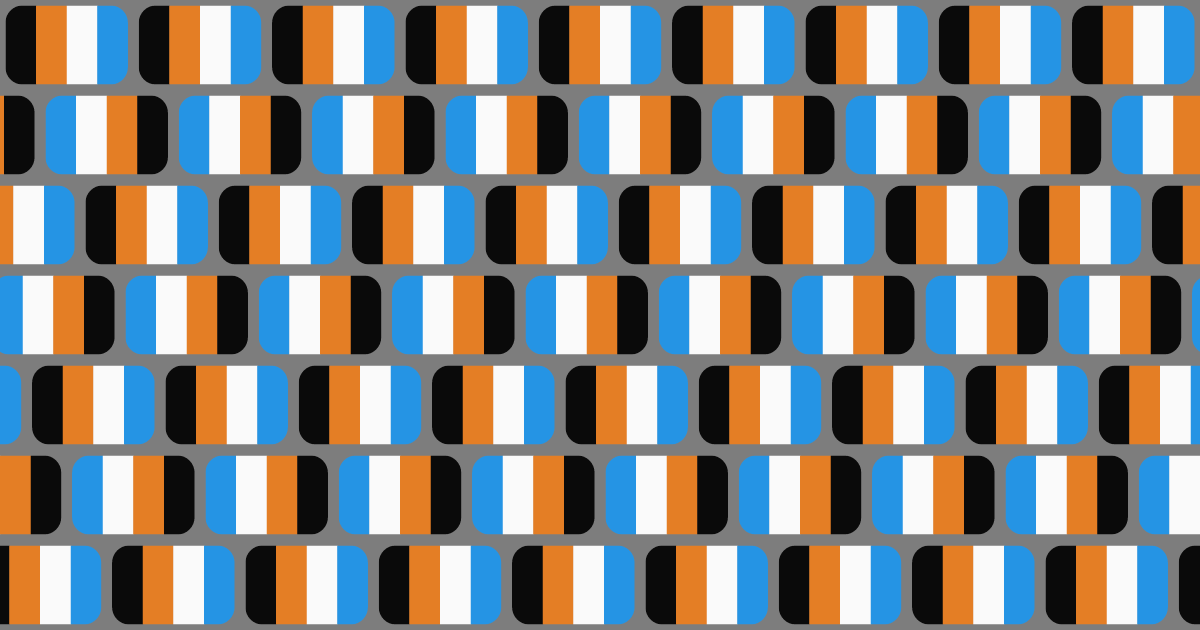
- Drifting Tiles: a completely still image. Just the order of the brightness steps makes the rows seem to flow when you move your eyes. It is strongest in your peripheral vision, not at the center of the screen.
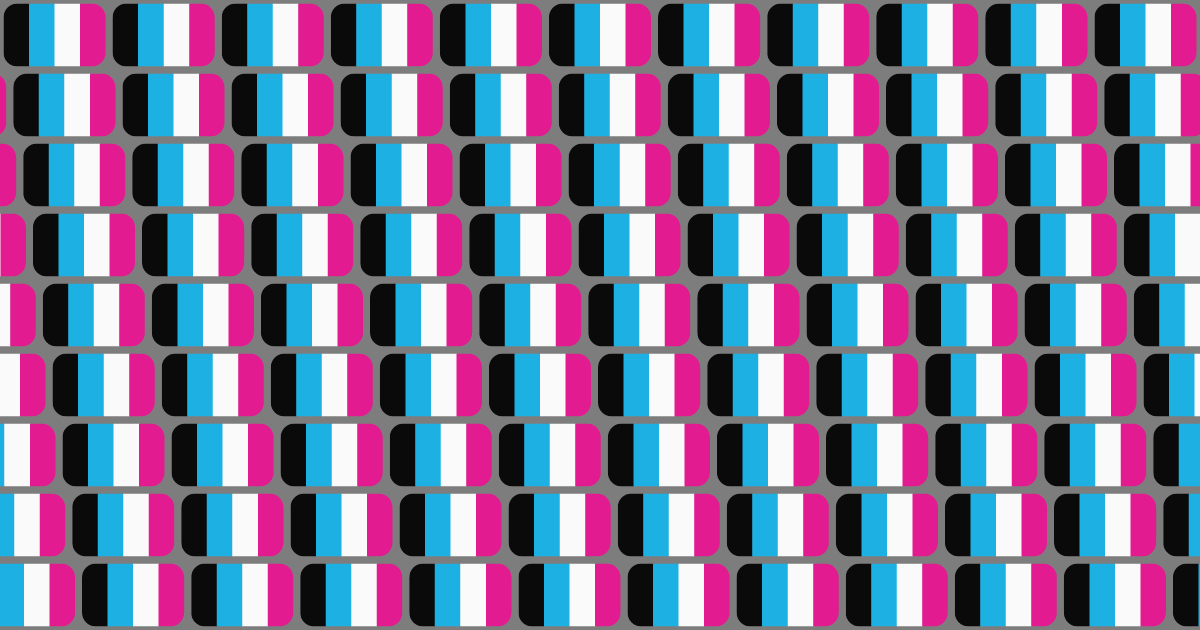
- Wave Drift: the same principle, but every row keeps the same color order while the offset grows steadily, so the whole image ripples as one wave.
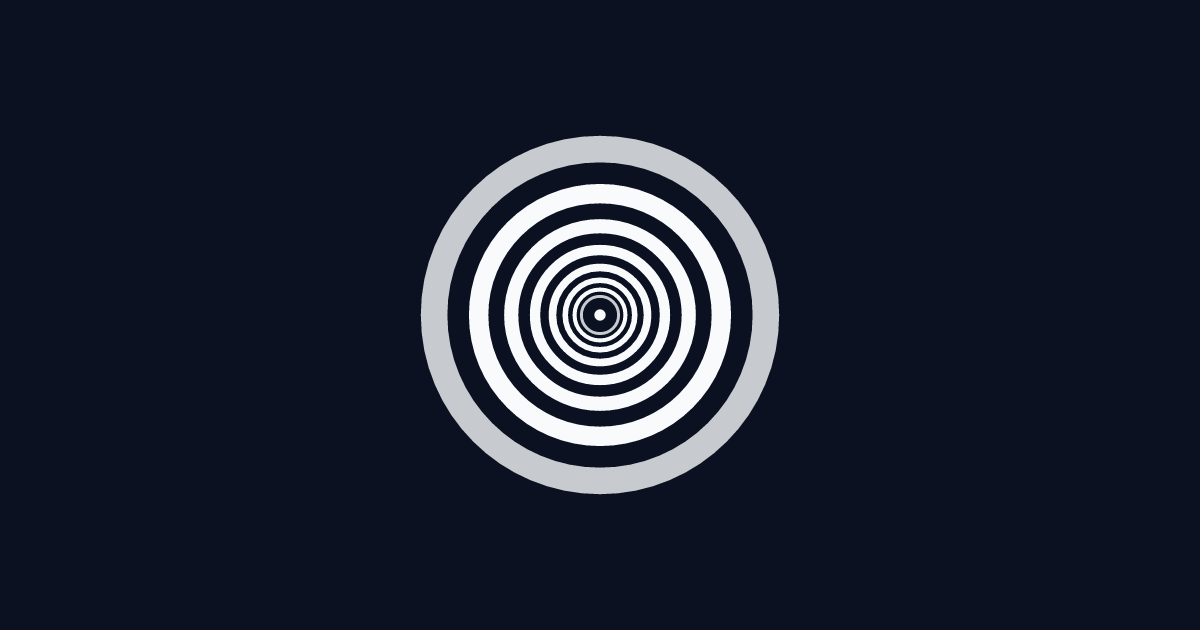
- Frozen but Moving: watch a pattern that keeps expanding, then freeze it, and the still image seems to shrink. This is called the motion aftereffect, the same family as the “waterfall illusion”, where rocks seem to creep upward after you watch a waterfall.
- Freezing Rotation: a pinwheel turning at a constant speed seems to slow down or stop just because the dots around it jitter.
Why does it look like movement?
The brain has detectors that respond to motion of a particular direction and speed. When changes in brightness line up in a certain order, those detectors fire even for a still image. If you watch motion in one direction for a while, the detectors tire, and when the motion stops you feel movement the other way. Speed is not measured on its own either. It is judged against the motion around it.
A note before you look
Moving figures start out as a still image and move only when you press “Play”. Even if your device is set to reduce motion, you can still watch by pressing it yourself. If flashing or strong movement bothers you, do not force yourself to stare.
Illusions where the direction of spin flips are collected in Rotation illusions.