What are geometric illusions?
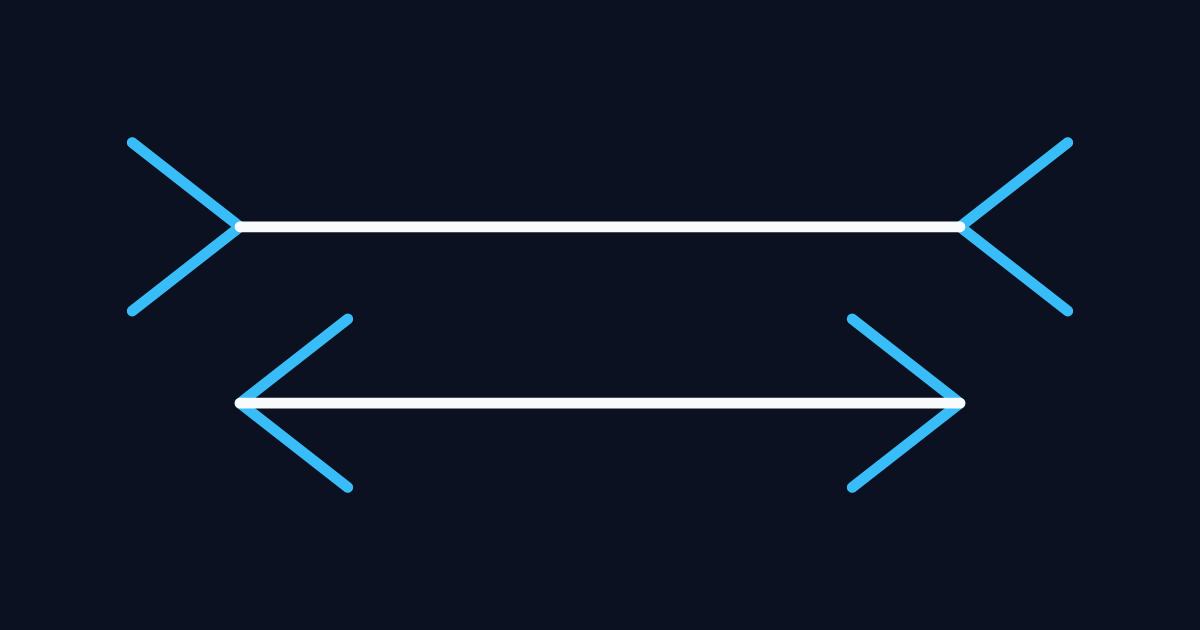
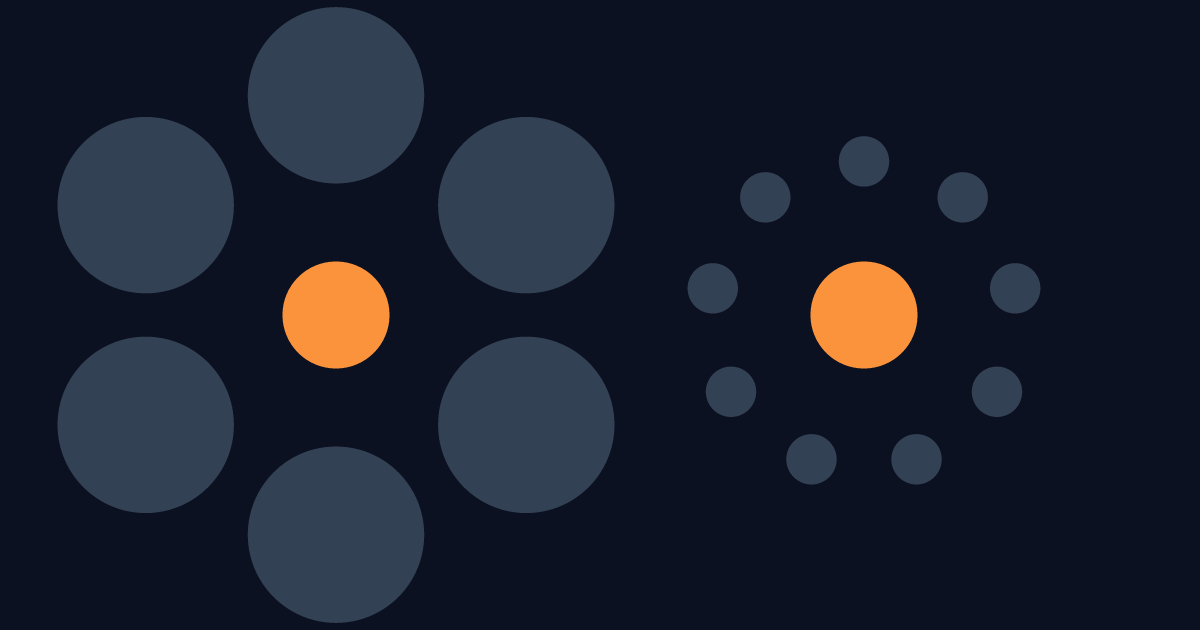
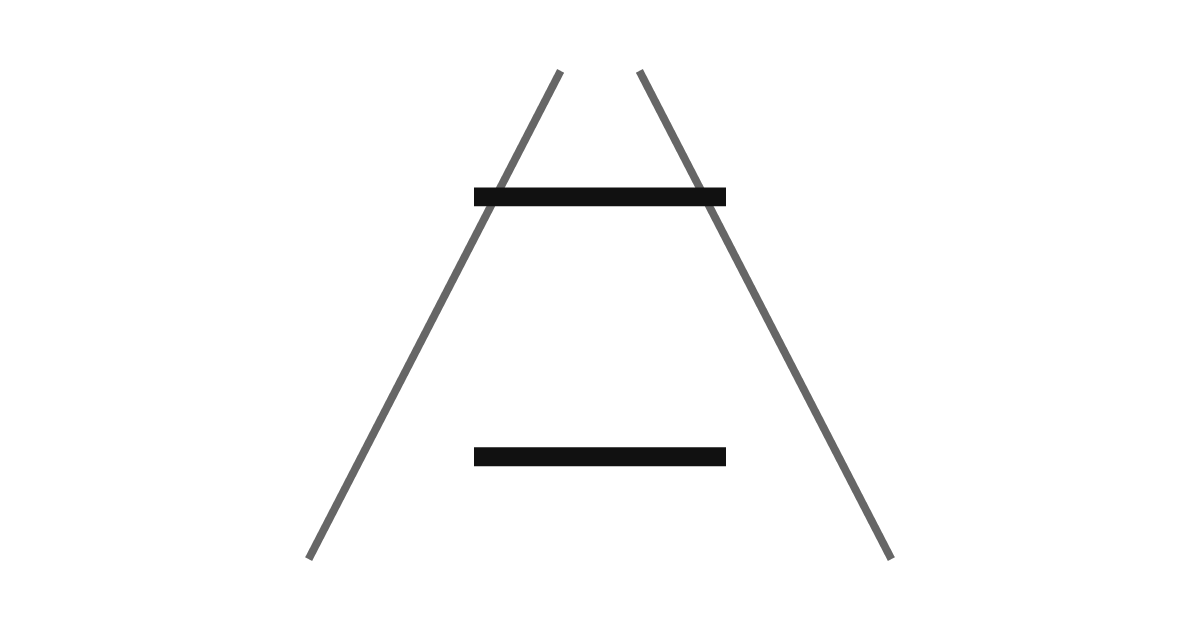
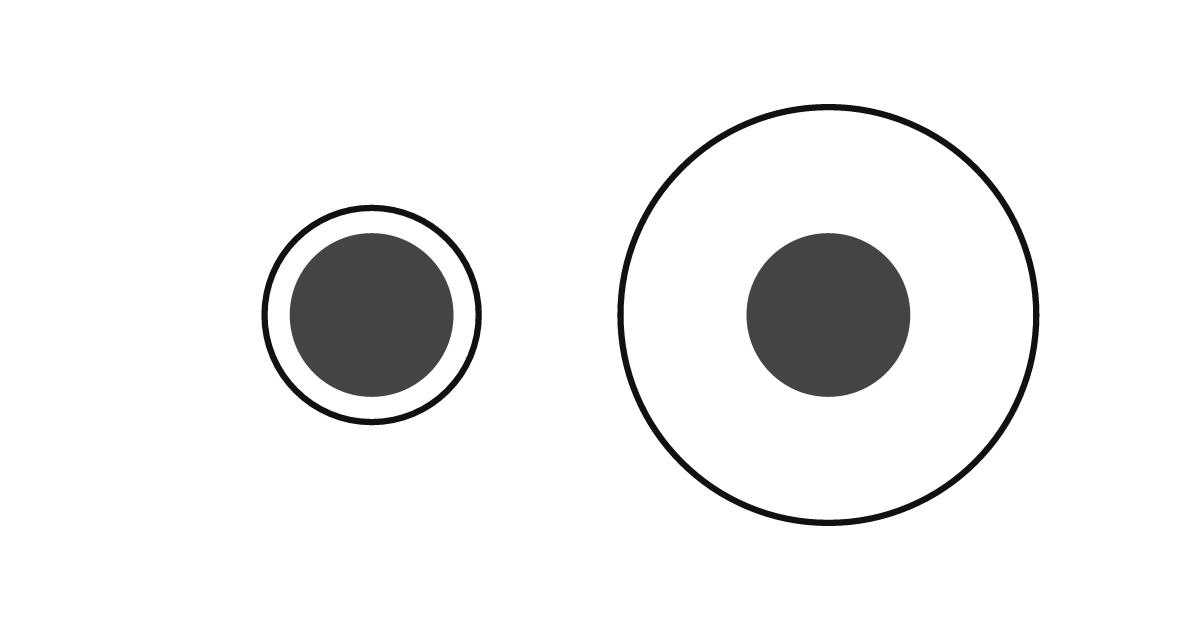
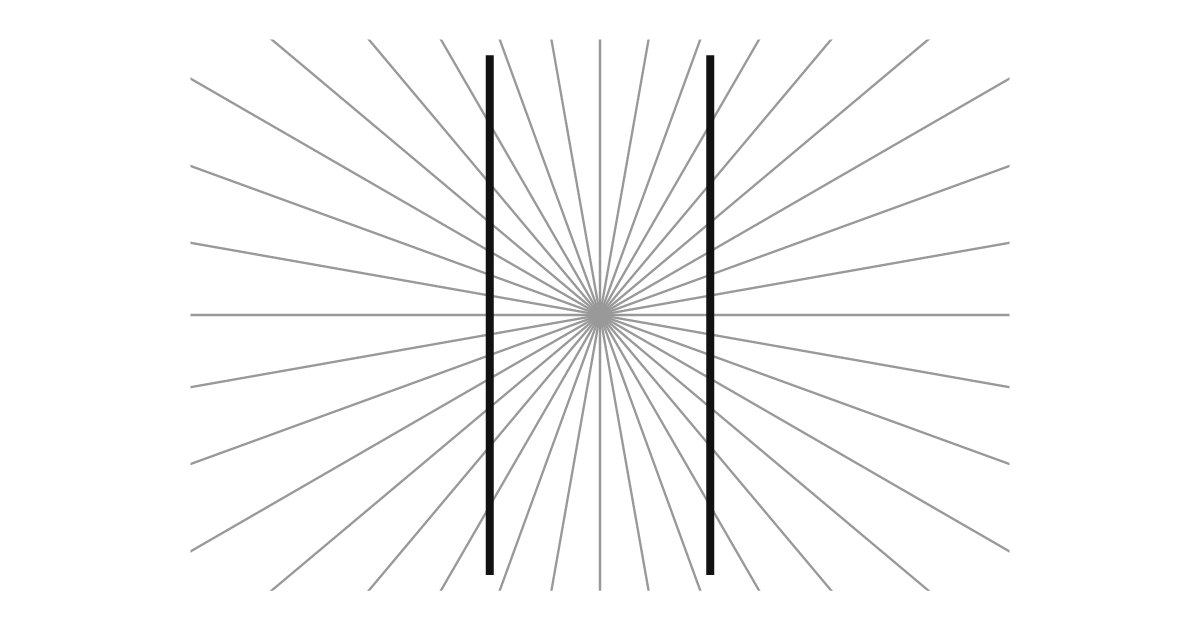
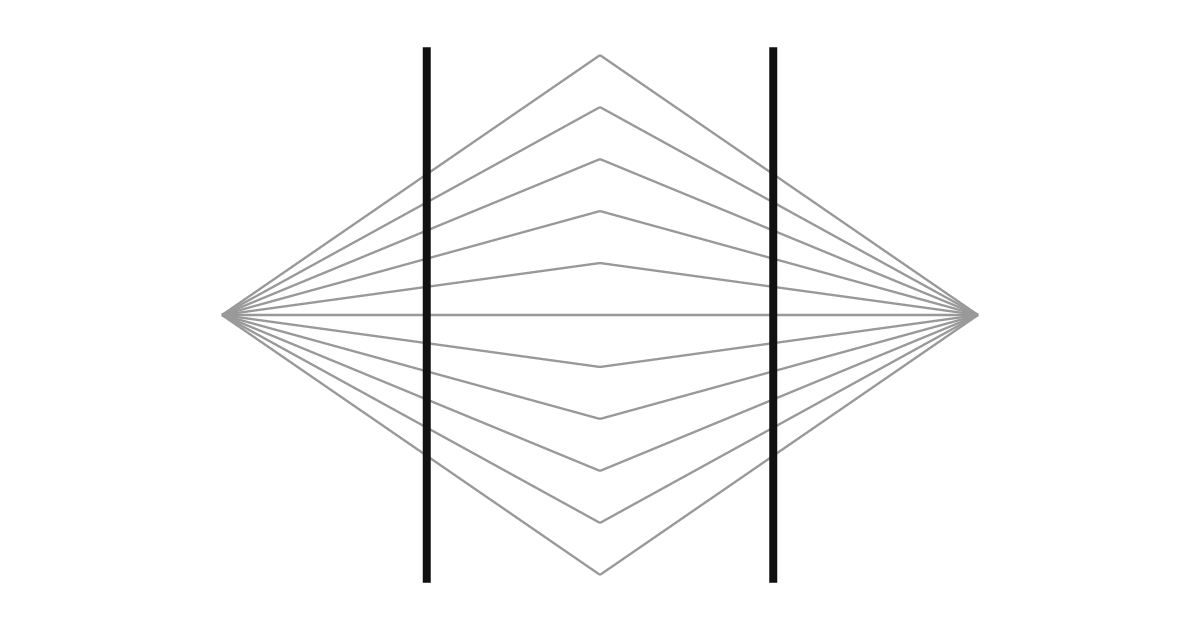
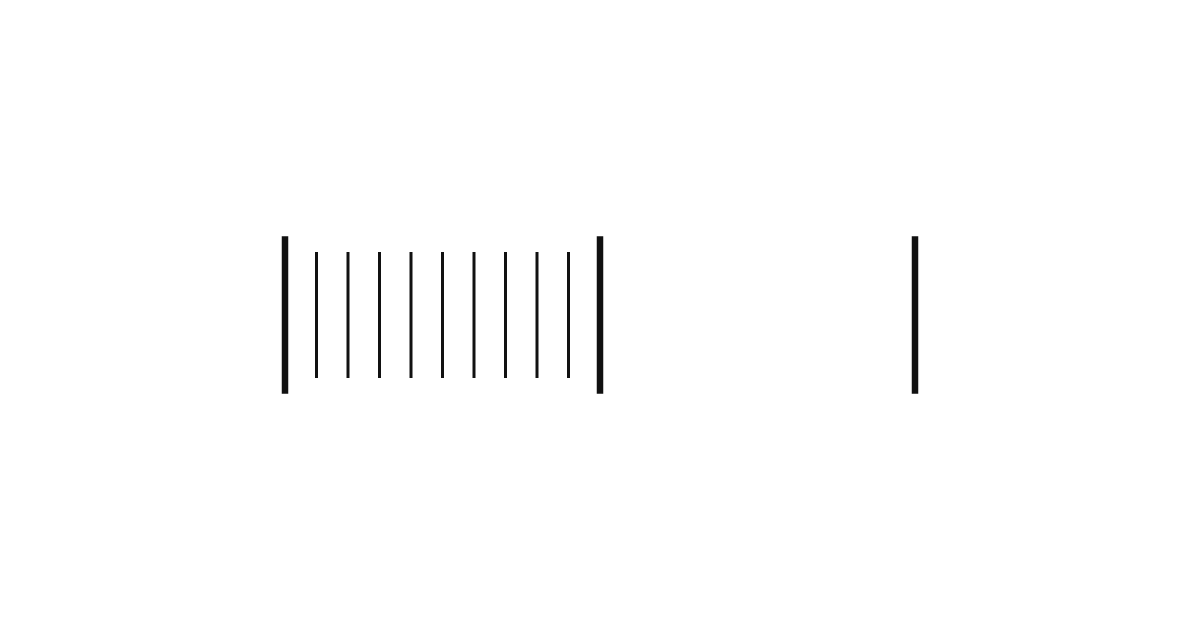
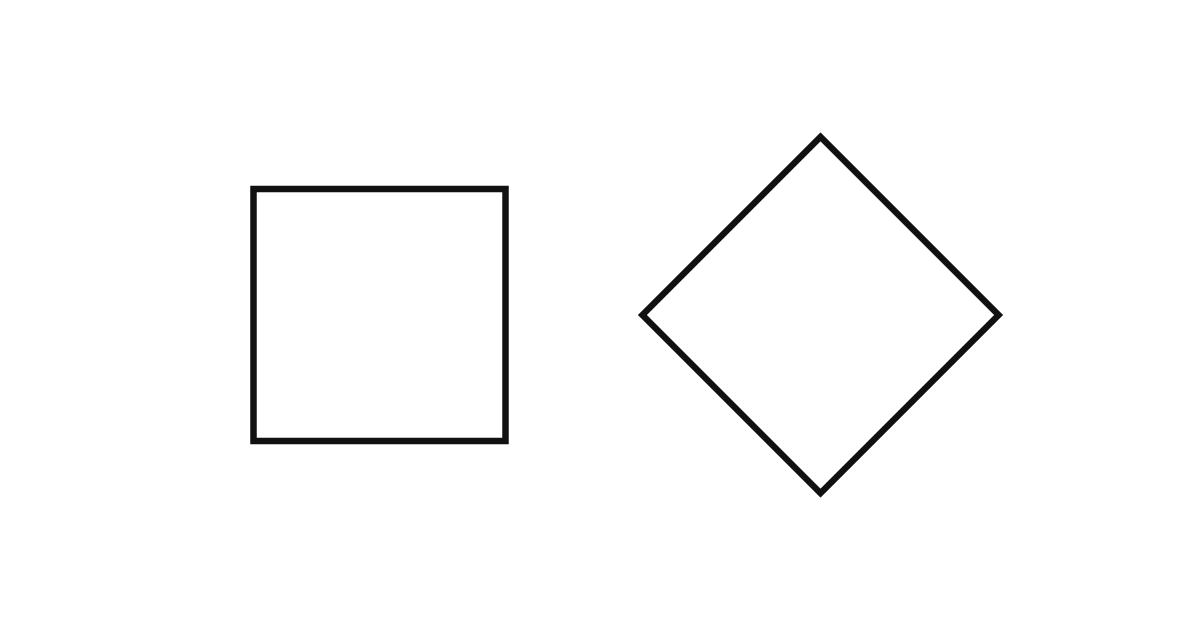
Geometric illusions are illusions in which the way you measure shape goes wrong: the length of a line, the size of a figure or the tilt of an edge looks off because of the lines and shapes drawn around it. In every figure here, the two things being compared are drawn with the same length, the same size or the same direction on screen. If they look different, the difference is happening in the viewer, not in the picture.
Three families
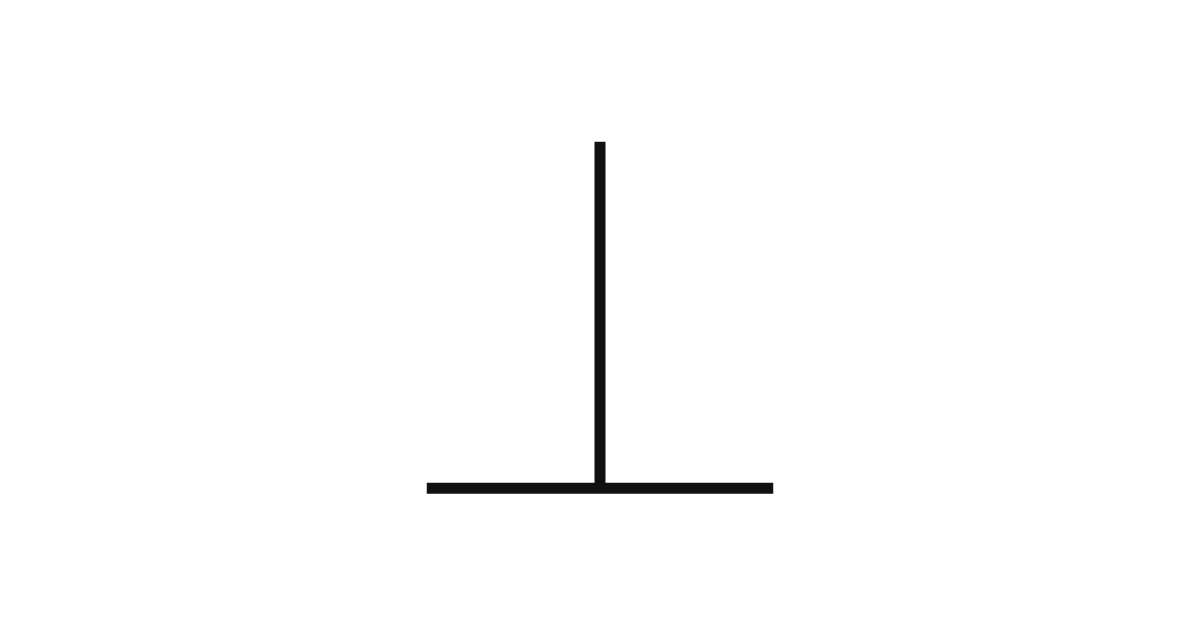
- Length: the arrowheads of the Müller-Lyer, the converging rails of the Ponzo Rails, the Vertical / Horizontal illusion, and the tick marks of the Oppel-Kundt illusion.
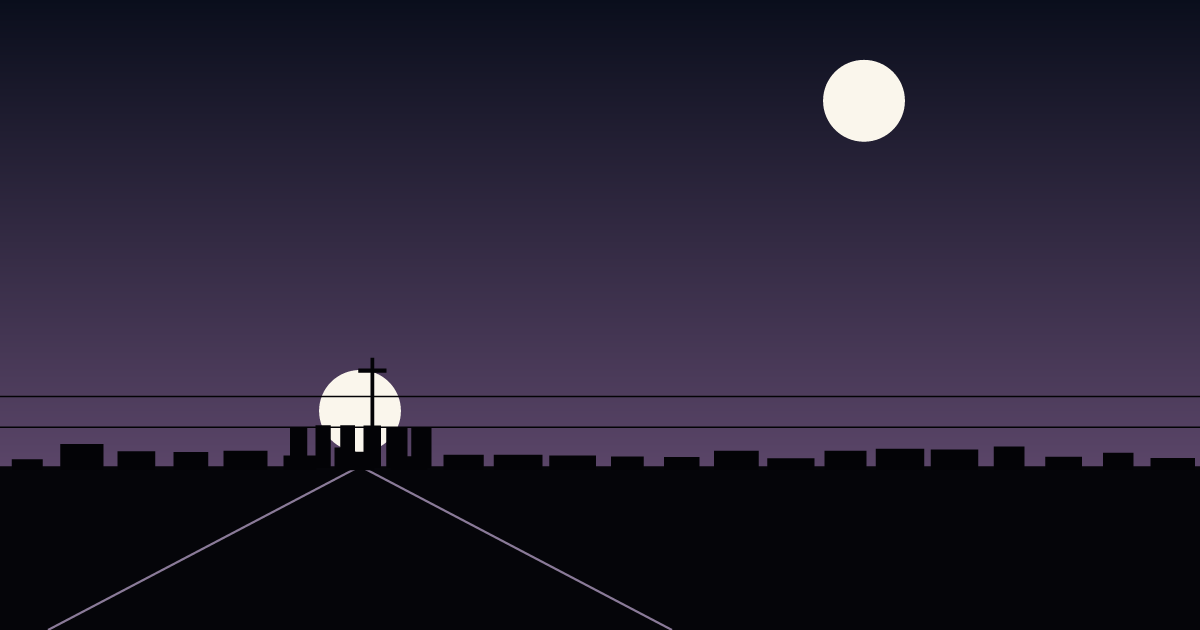
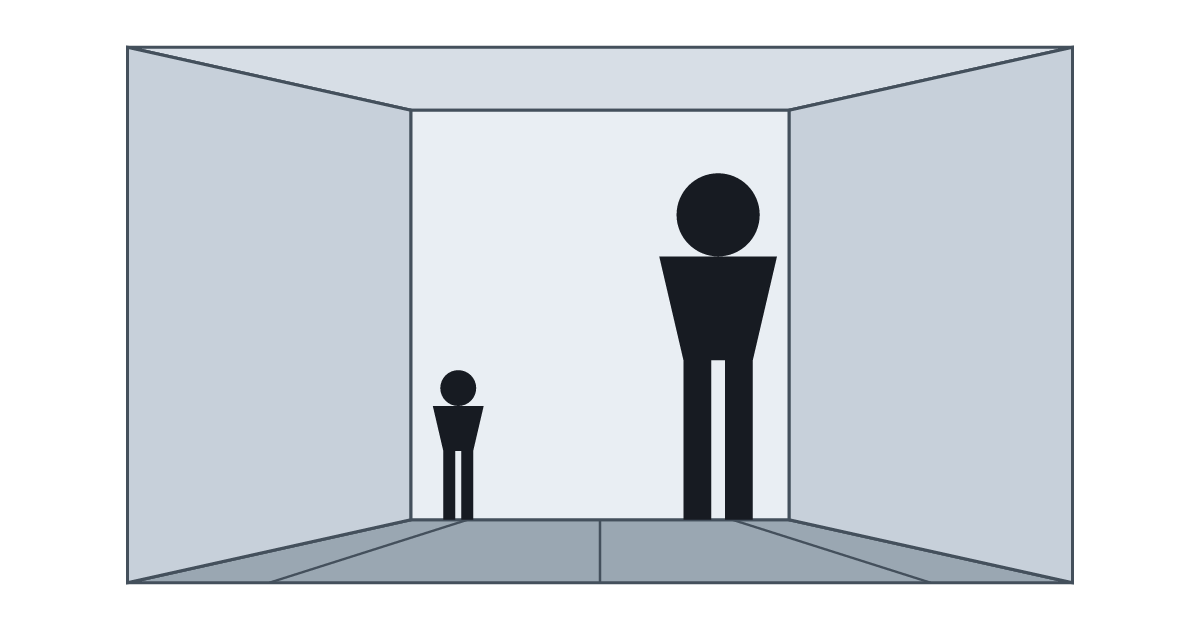
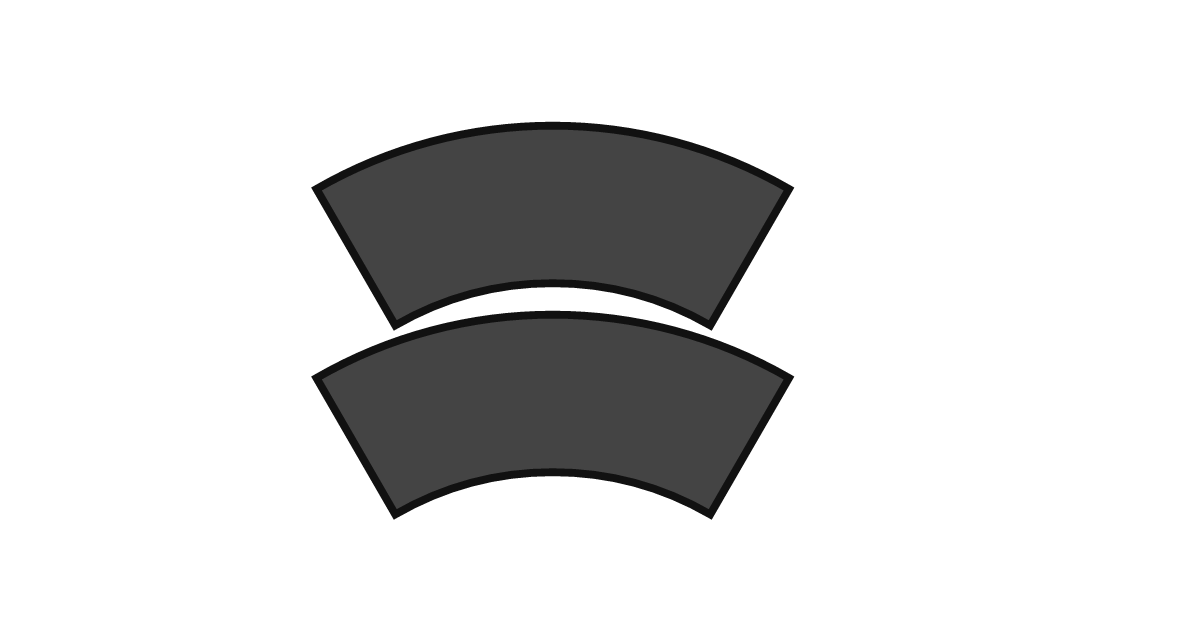
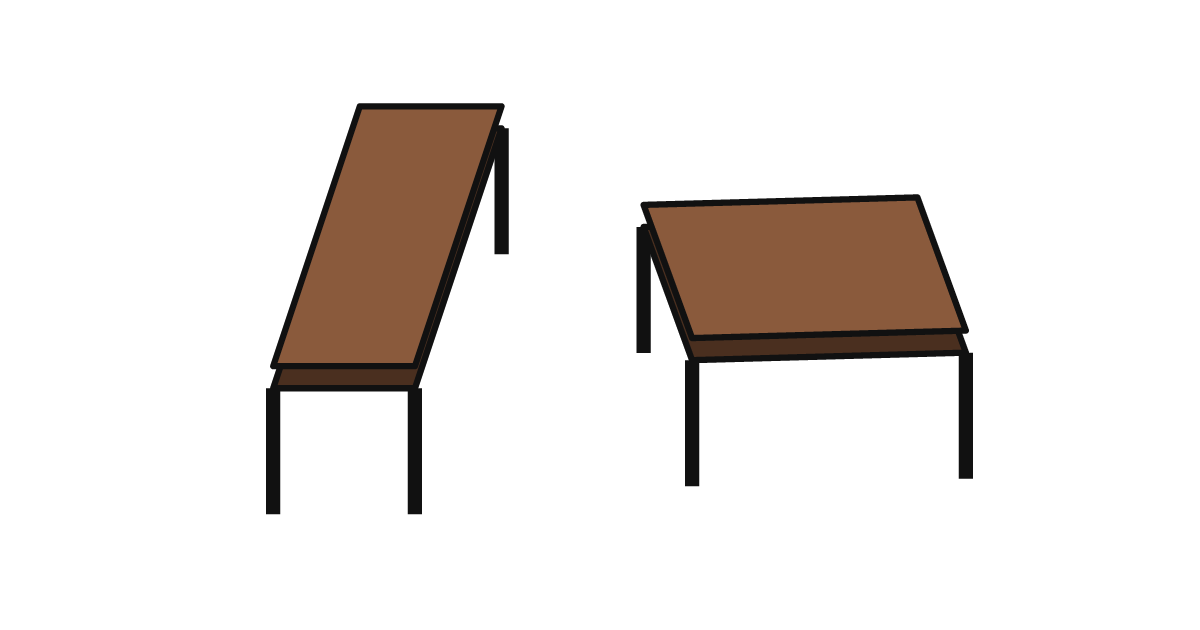
- Size and shape: the circles of the Ebbinghaus and Delboeuf Circles illusions, the arcs of the Jastrow Arcs, the tabletops of the Shepard Tables, the Square and Diamond, and the horizon vs. sky comparison in the Moon Illusion, and the back-corner figures of the Ames Room.
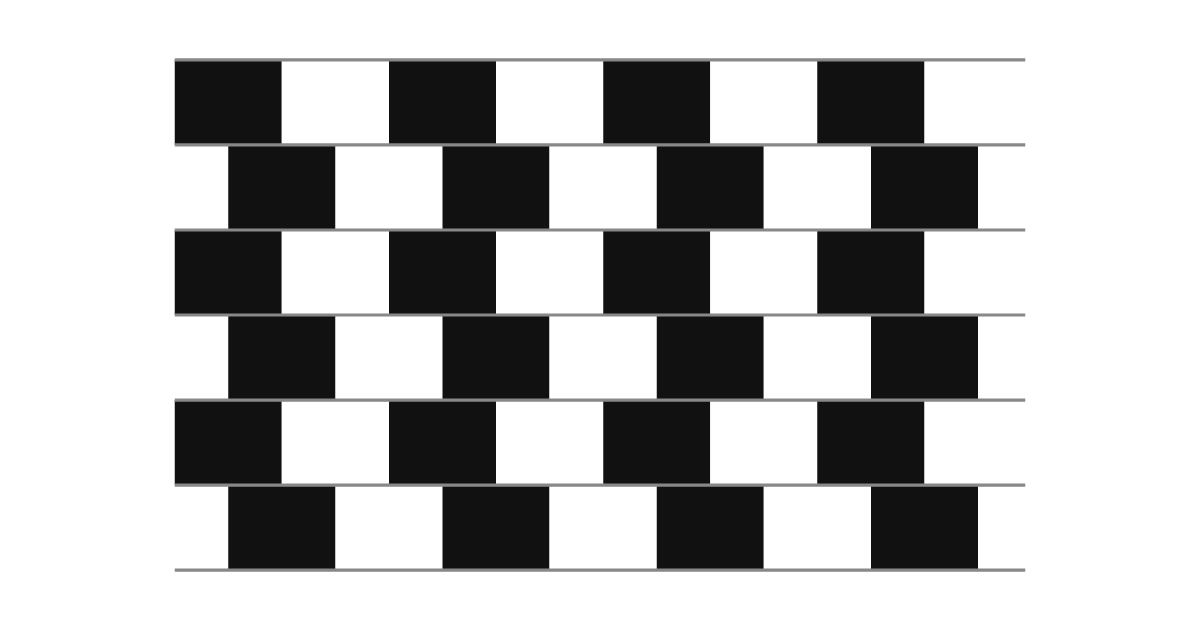
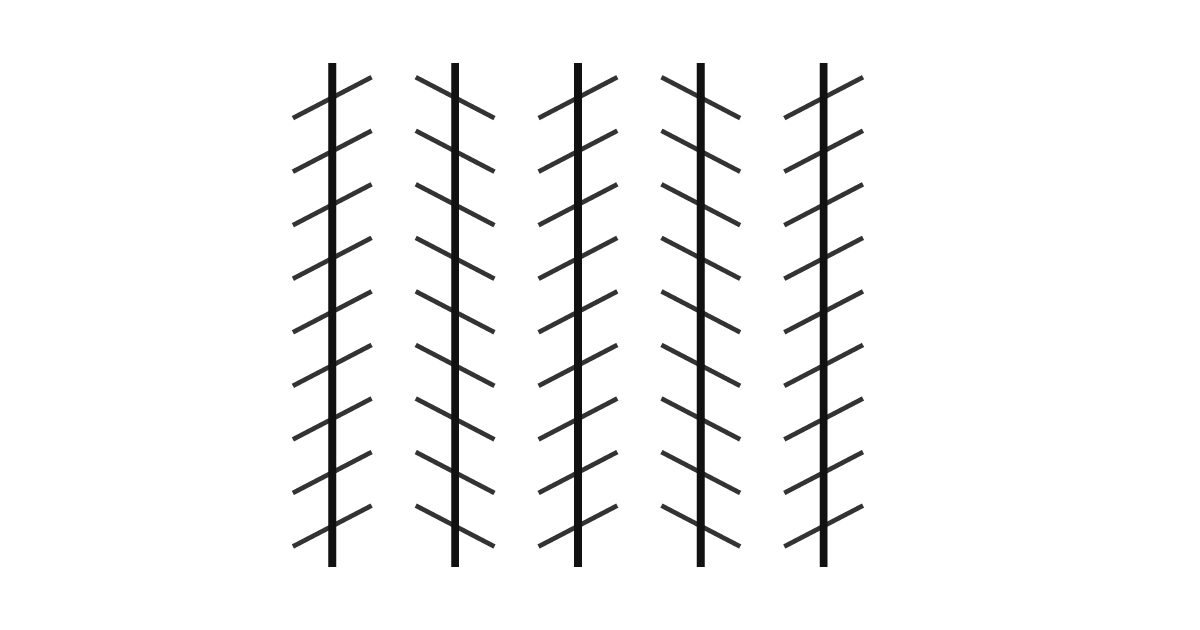
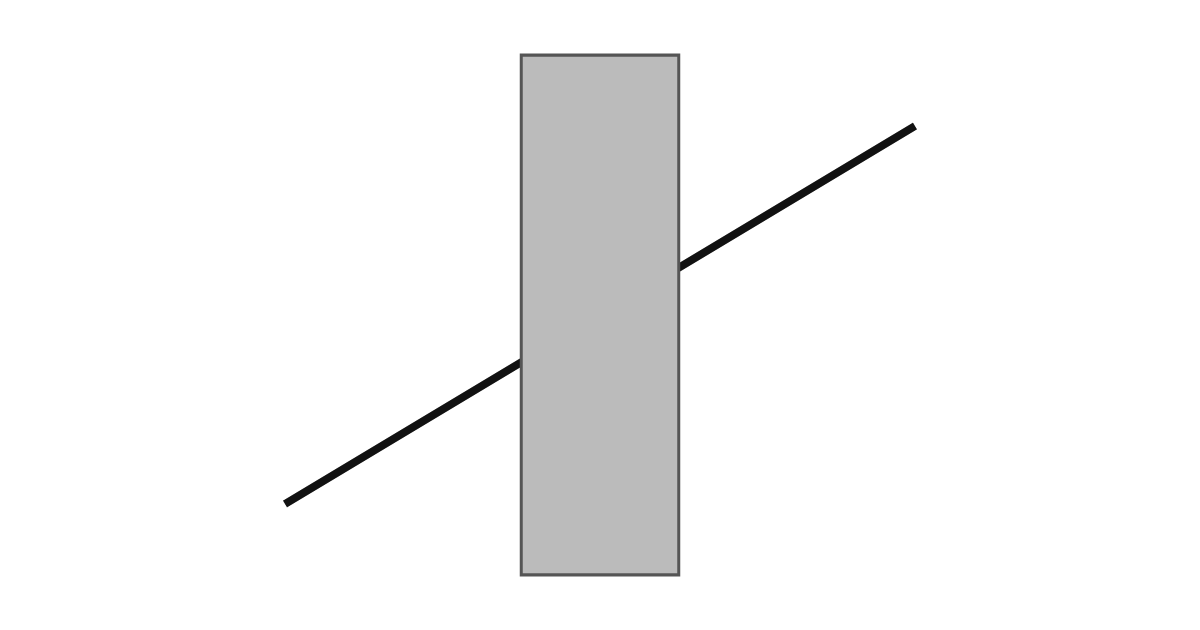
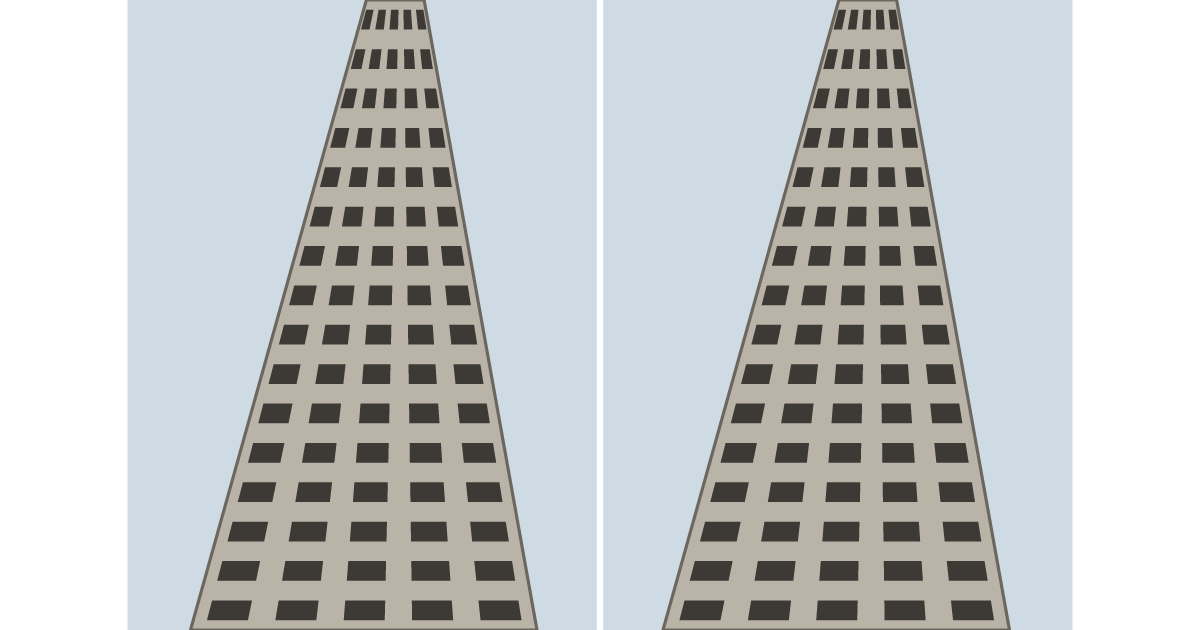
- Tilt and curvature: Zöllner Lines, Hering Lines, Wundt Lines, the Café Wall, the Poggendorff Line and the Leaning Tower.
Why does shape go wrong?
Vision does not measure things one at a time with a ruler. It judges “long” or “big” by comparing a thing with whatever sits right next to it. That is why a circle surrounded by small circles looks big, and the same circle surrounded by large circles looks small. When there are depth cues, as in the Ponzo and Shepard figures, the brain also corrects for distance: if something is far away, it should really be bigger. Tilt illusions are often explained by a bias in how we estimate the angles where lines cross, but no single accepted theory covers all of them.
Check it yourself
Many of the figures have a “Remove the context” button that hides only the surrounding lines or shapes. With just the two compared items left, you can see that they really are equal in length or direction. Bring the context back and they usually look different again. These illusions do not go away, even when you know the answer.