Zöllner Lines
Zöllner Lines — 2026, generated SVG, dimensions variable · Geometry · Still
After Johann Karl Friedrich Zöllner, 1860
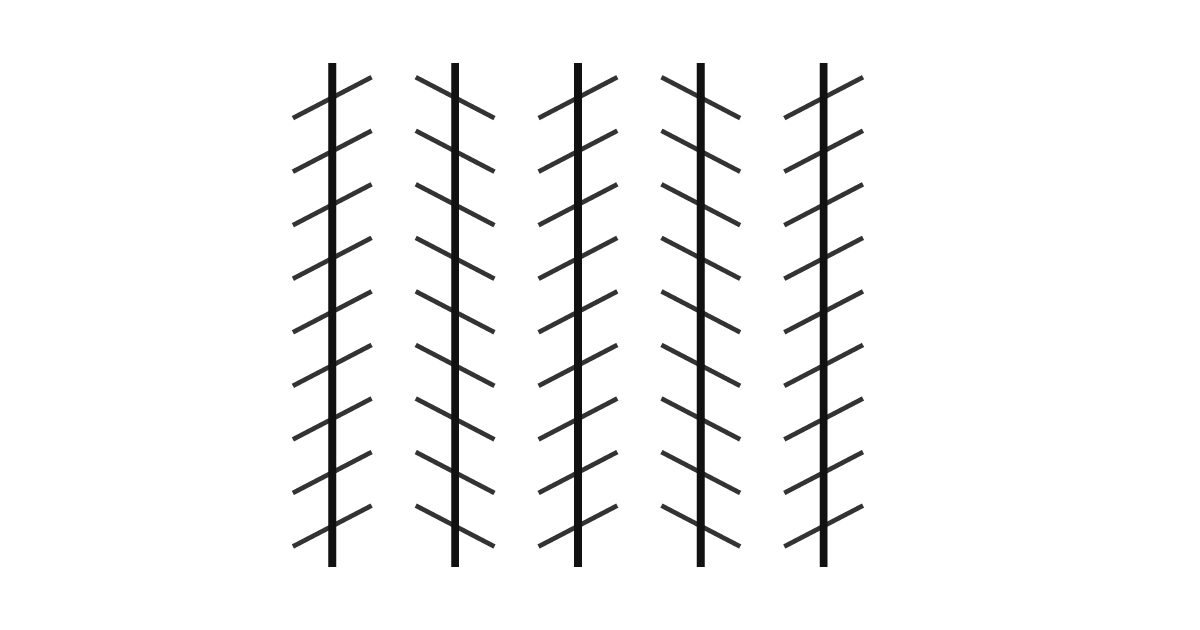
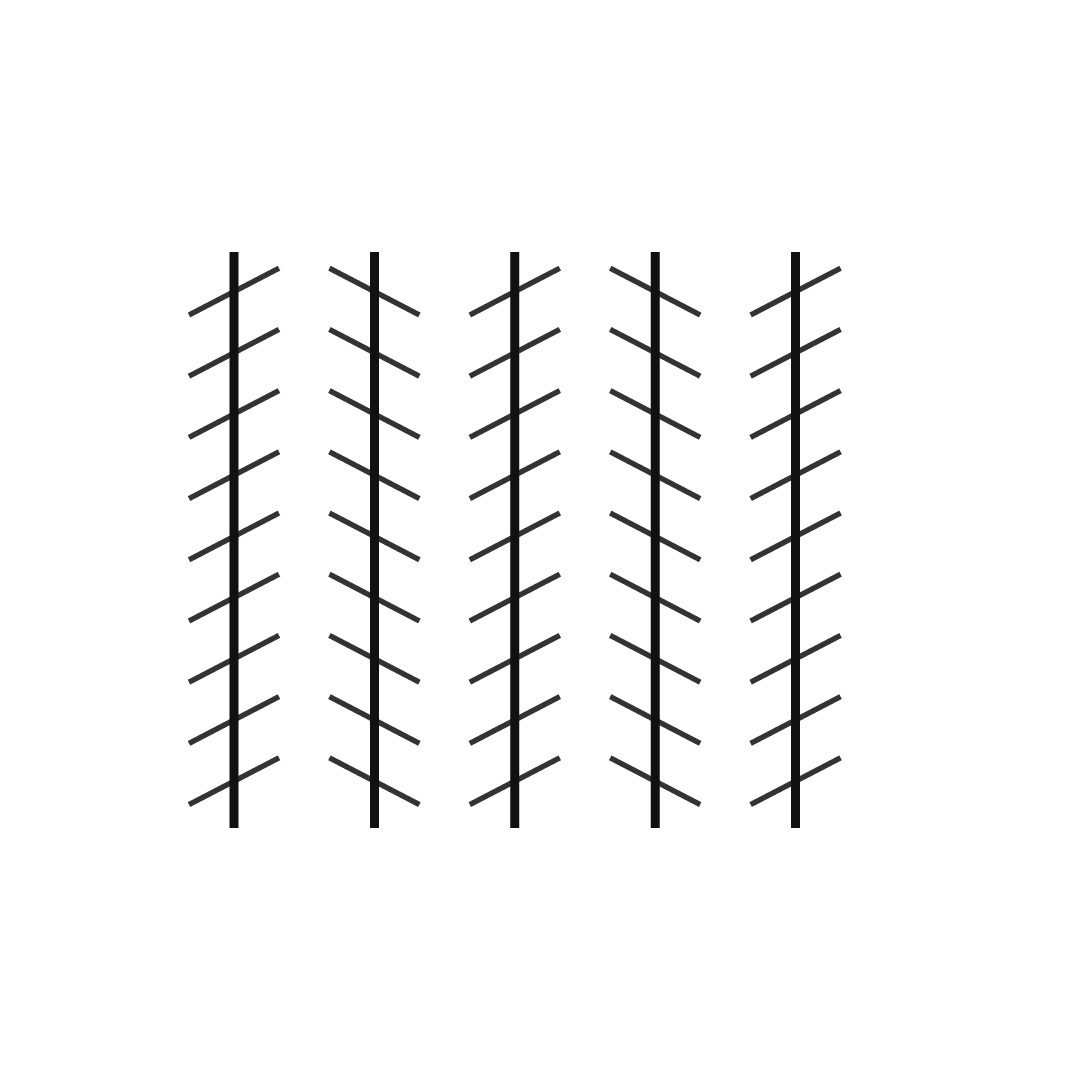
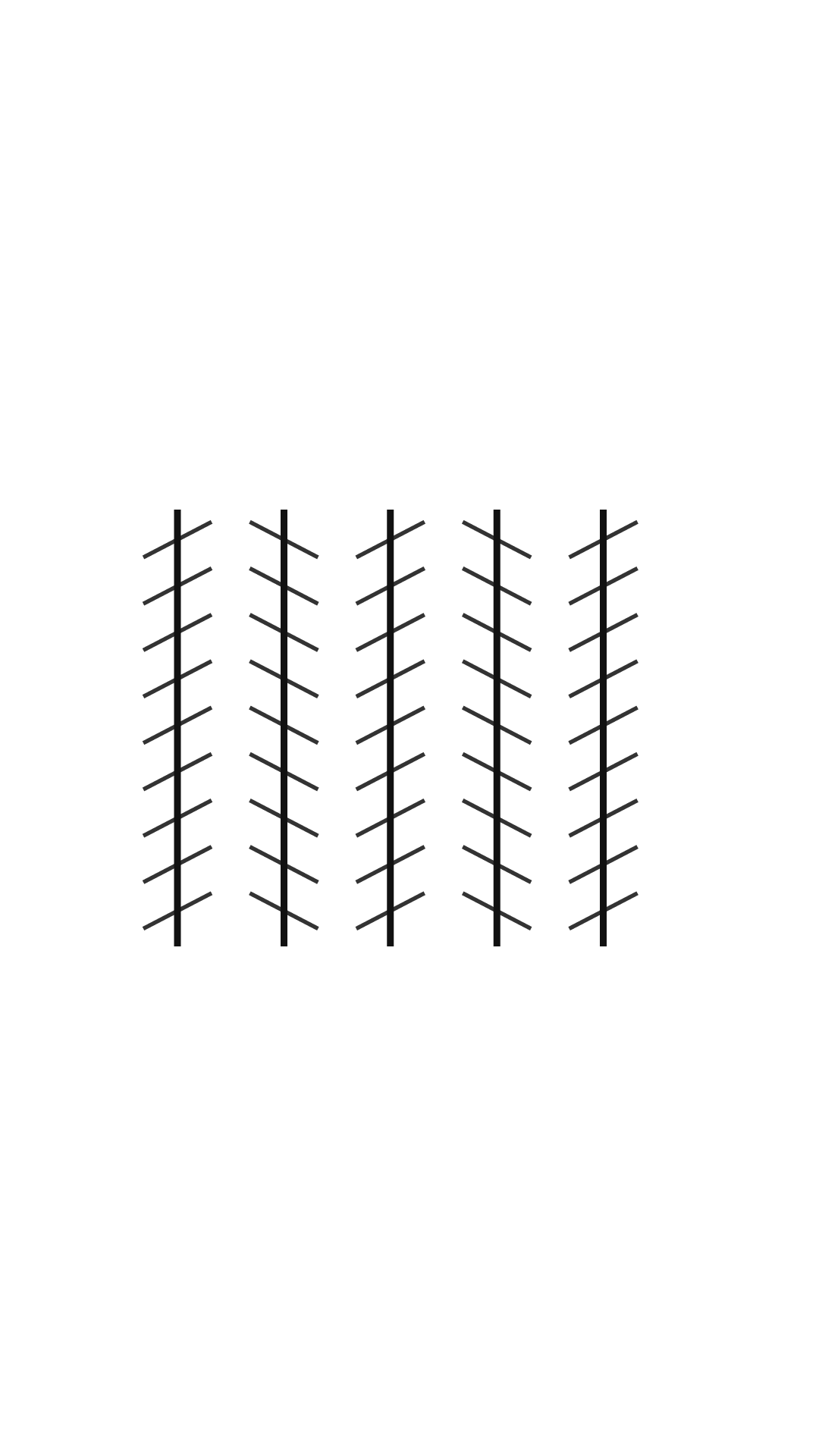
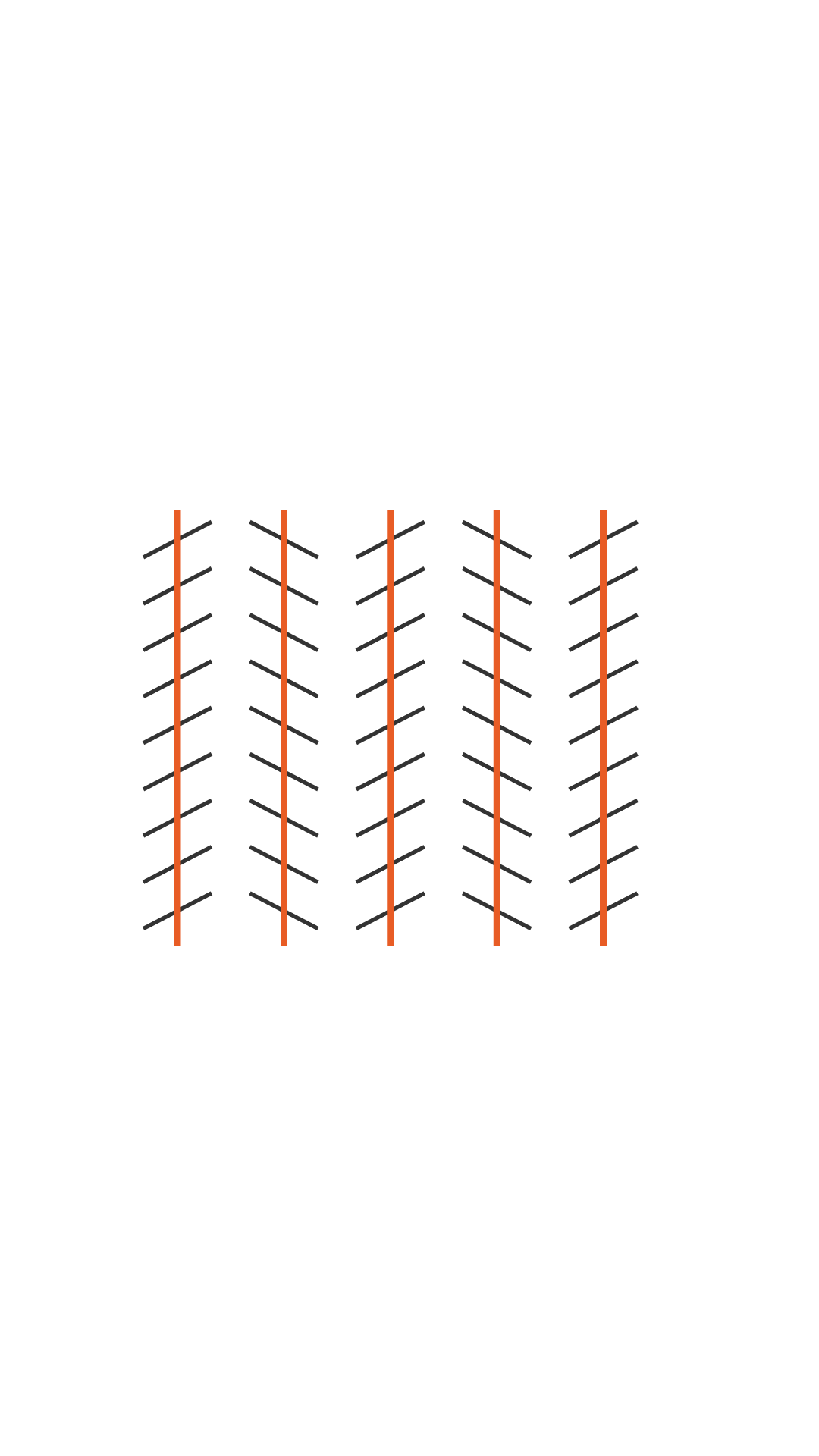
Are the long lines parallel?
Are the five long lines parallel?
Share
Reveal the answer
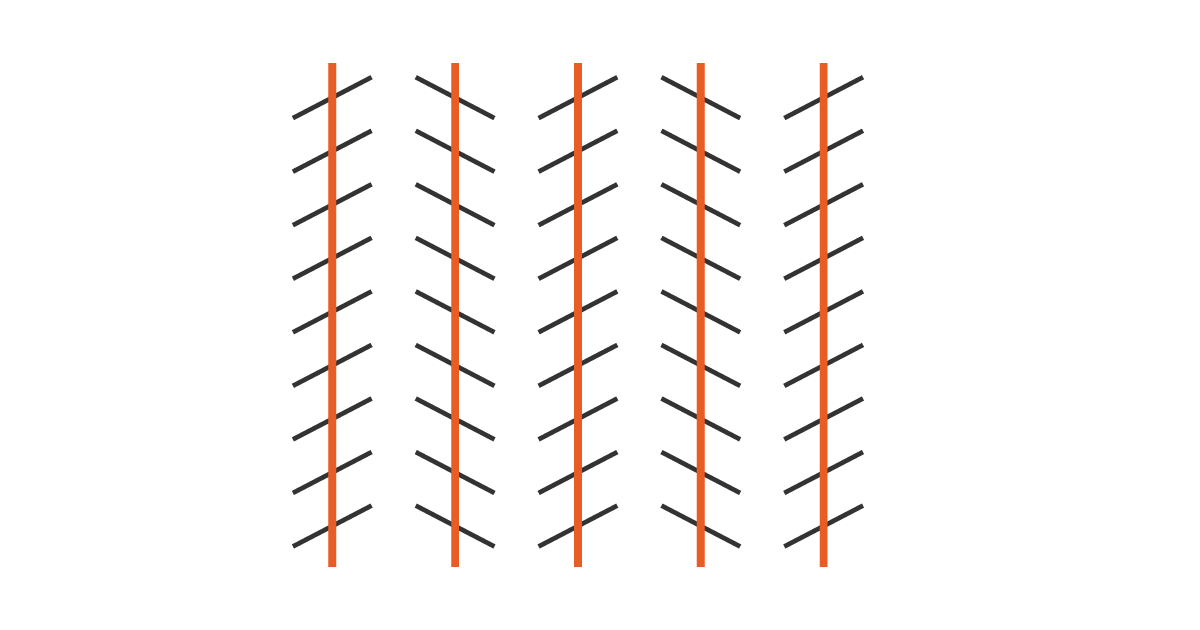
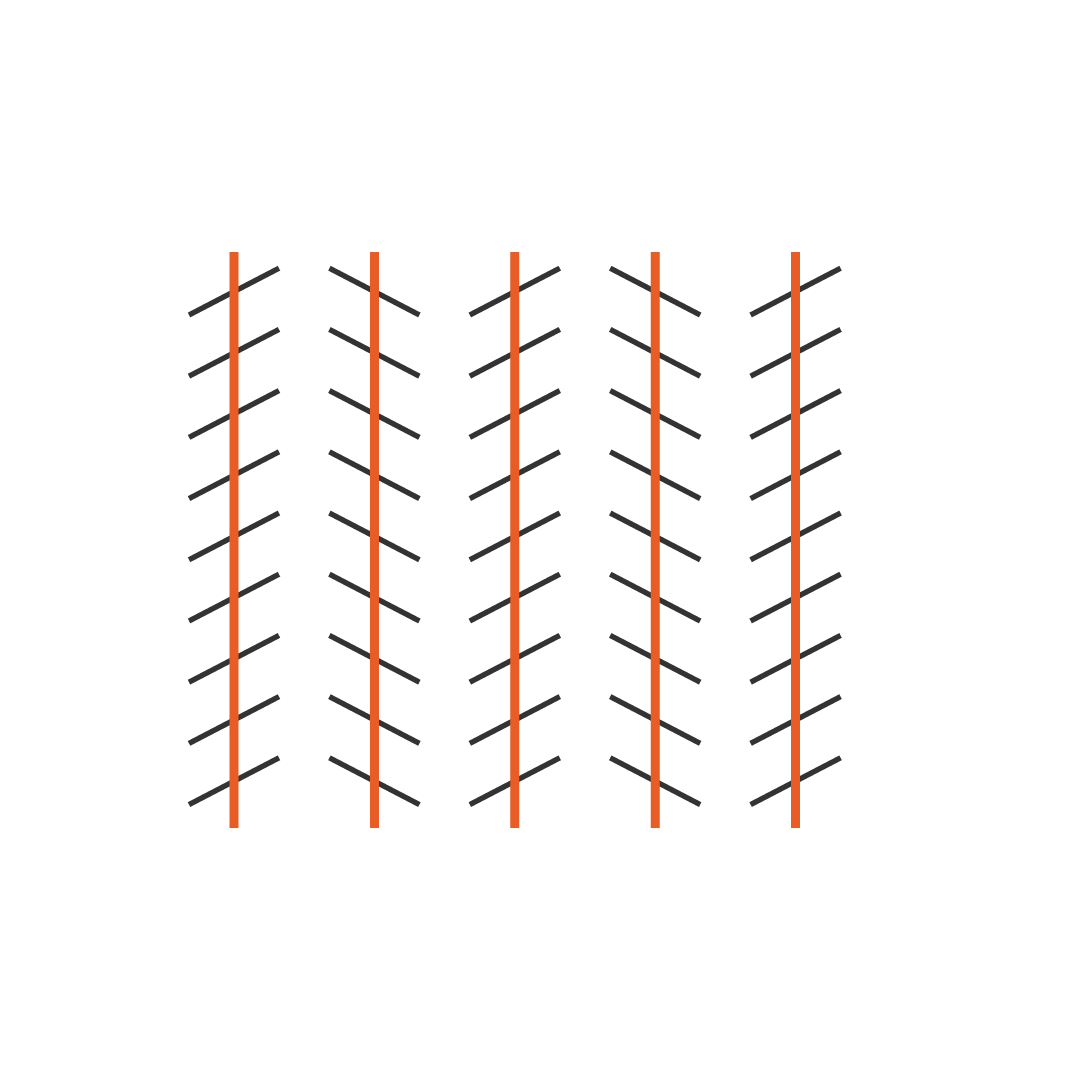
All five long lines are parallel.
↑ The mechanism, made visible.
Notes — why it looks that way
What is happening
Trace one long line at a time from top to bottom. Then step back and compare the columns of lines against each other. Each one looks straight on its own, yet the whole set can look tilted. Every long line has the same horizontal position at top and bottom, and the spacing between neighbours is constant.
Why it looks that way
Judging a long line’s direction is also influenced by the angle of the short lines crossing it. Flipping the tilt of the short ticks in alternating columns can make parallel long lines feel like they’re drifting apart or closer together. It’s a phenomenon that shows how direction-reading interacts with context.
How to check
Hiding the short diagonal ticks leaves only parallel columns. Revealing the answer highlights the long lines in color. At a display size small enough that the fine diagonals get crushed together, the effect is hard to judge, so try it at a distance where the whole figure is comfortably visible.
See another geometric illusion
First described
After Johann Karl Friedrich Zöllner, 1860
Noticed in a fabric pattern, and reported to the journal Poggendorff edited.

Media — images and data
- OG / X (1200×630)
- Instagram square (1080×1080)
- Shorts / Reels vertical (1080×1920)
- Answer image — landscape (X)
- Answer image — square (Instagram)
- Answer image — vertical (Shorts)
- Post drafts (JSON)
Free to use for non-commercial purposes such as classes, school projects and blogs, with a link back to this page as the credit. Commercial use is not covered
Every figure is generated here from the phenomenon itself (re-implemented). The general Zöllner illusion principle is re-implemented here as SVG. No existing figure or code is reproduced.