Ebbinghaus
Ebbinghaus — 2026, generated SVG, dimensions variable · Geometry · Interactive
After Hermann Ebbinghaus
Same circle, twice.
Which orange center circle is bigger?
How to look: Look only at the two center circles, back and forth.
Share
Reveal the answer
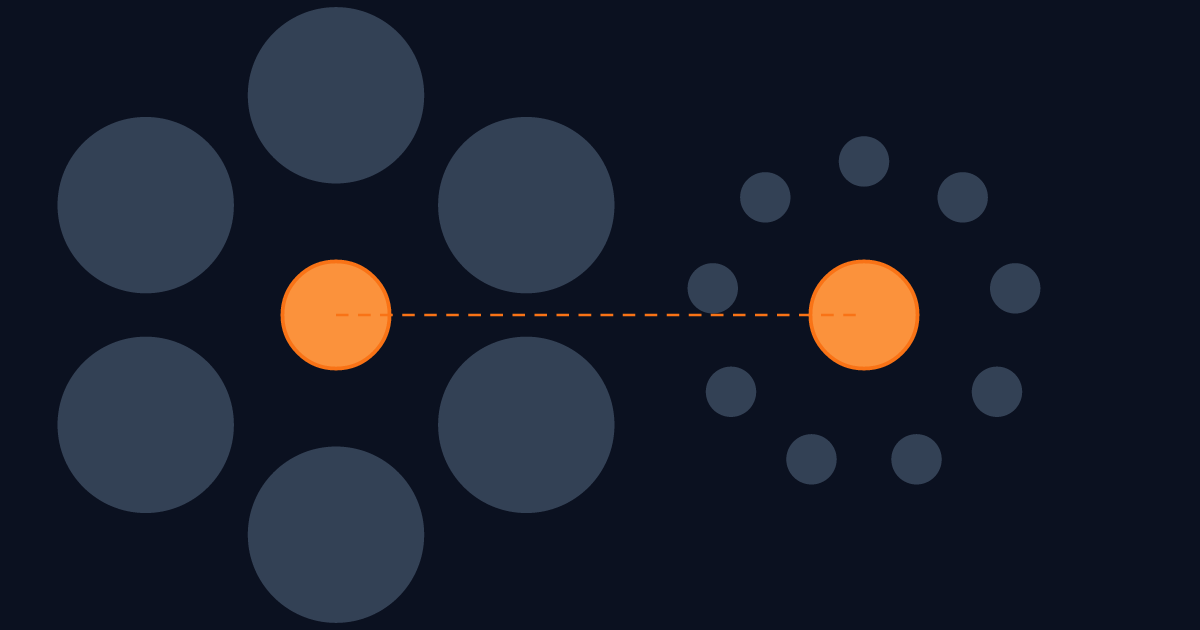
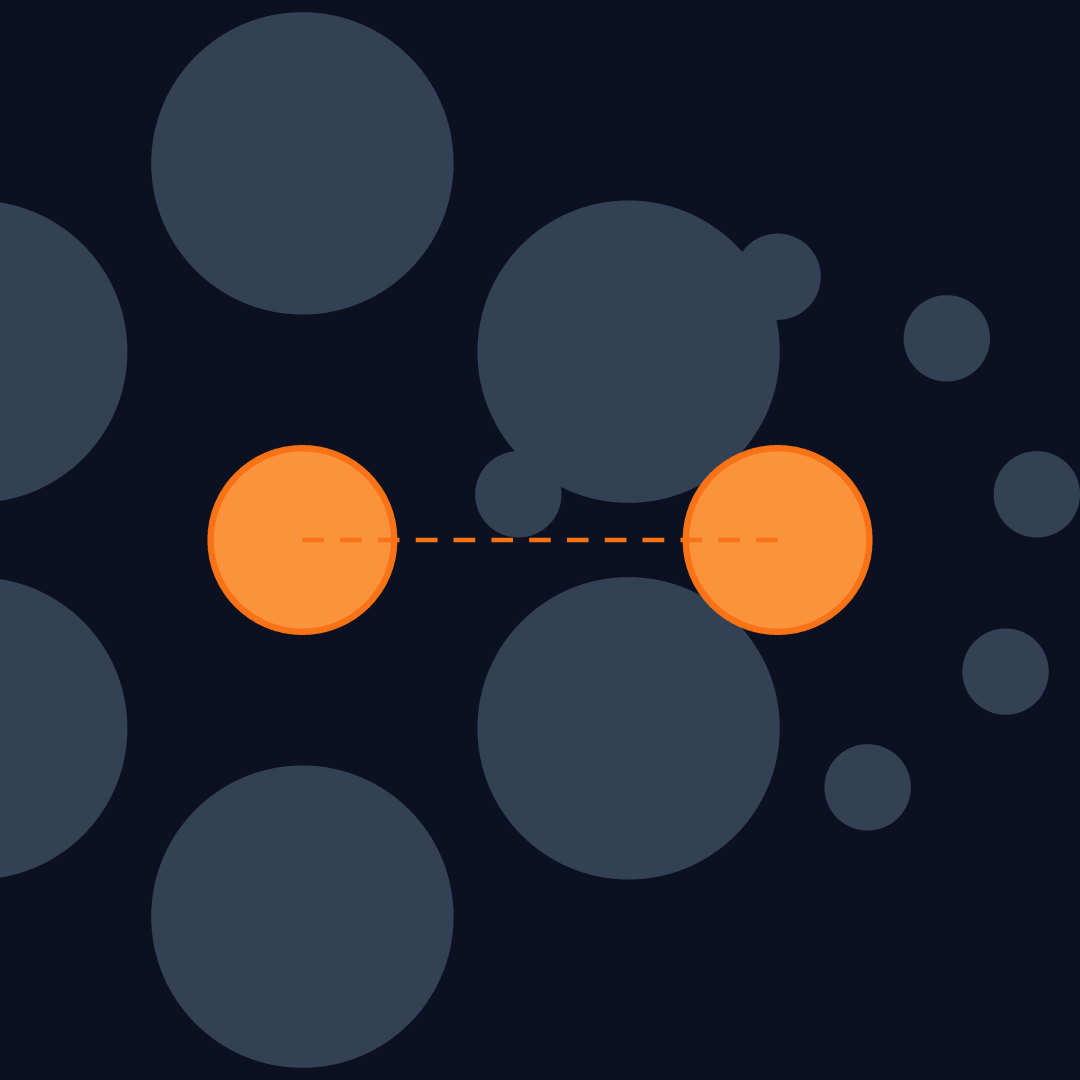
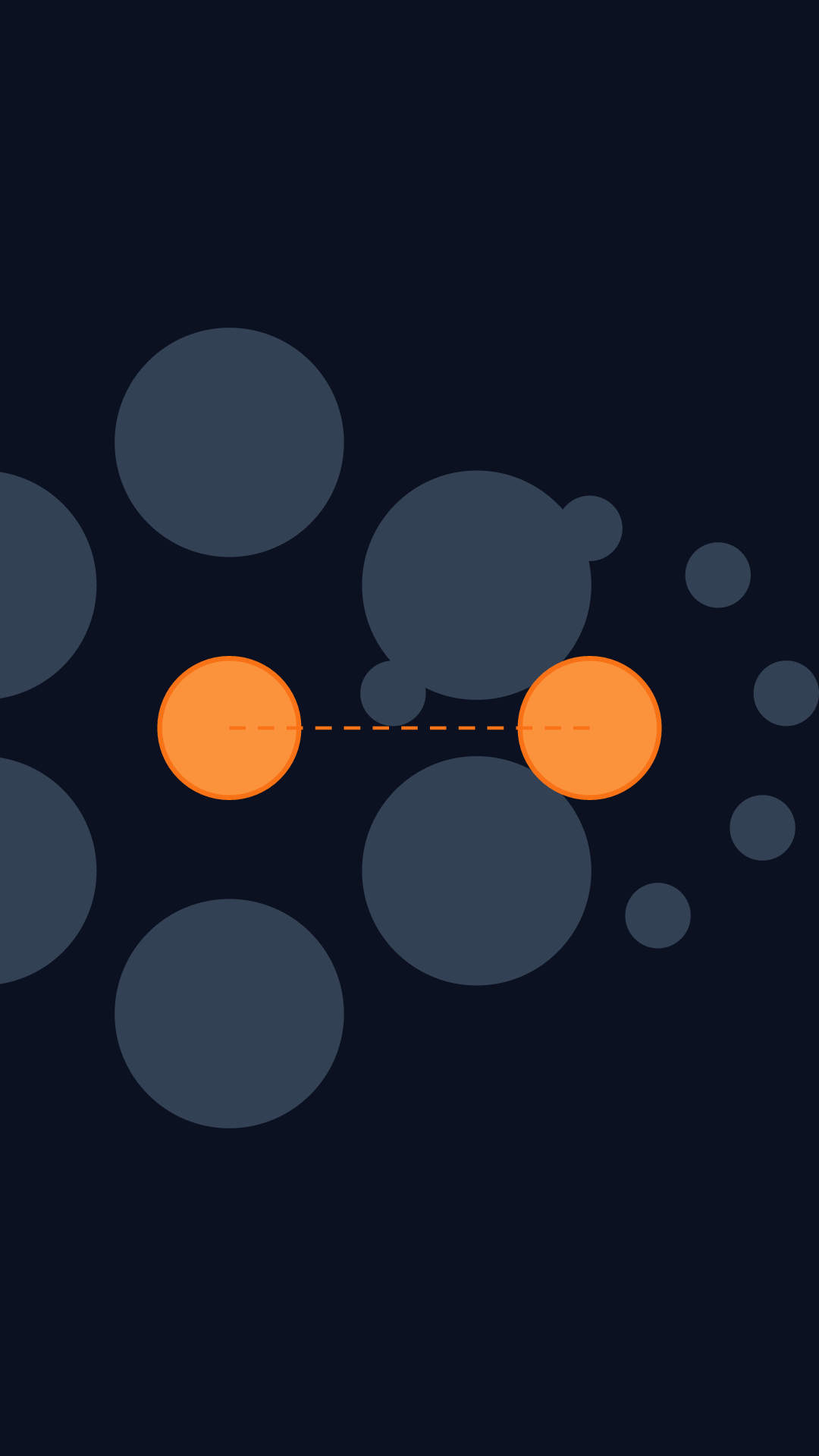
The two center circles are exactly the same size.
↑ The mechanism, made visible.

Notes — why it looks that way
What is happening
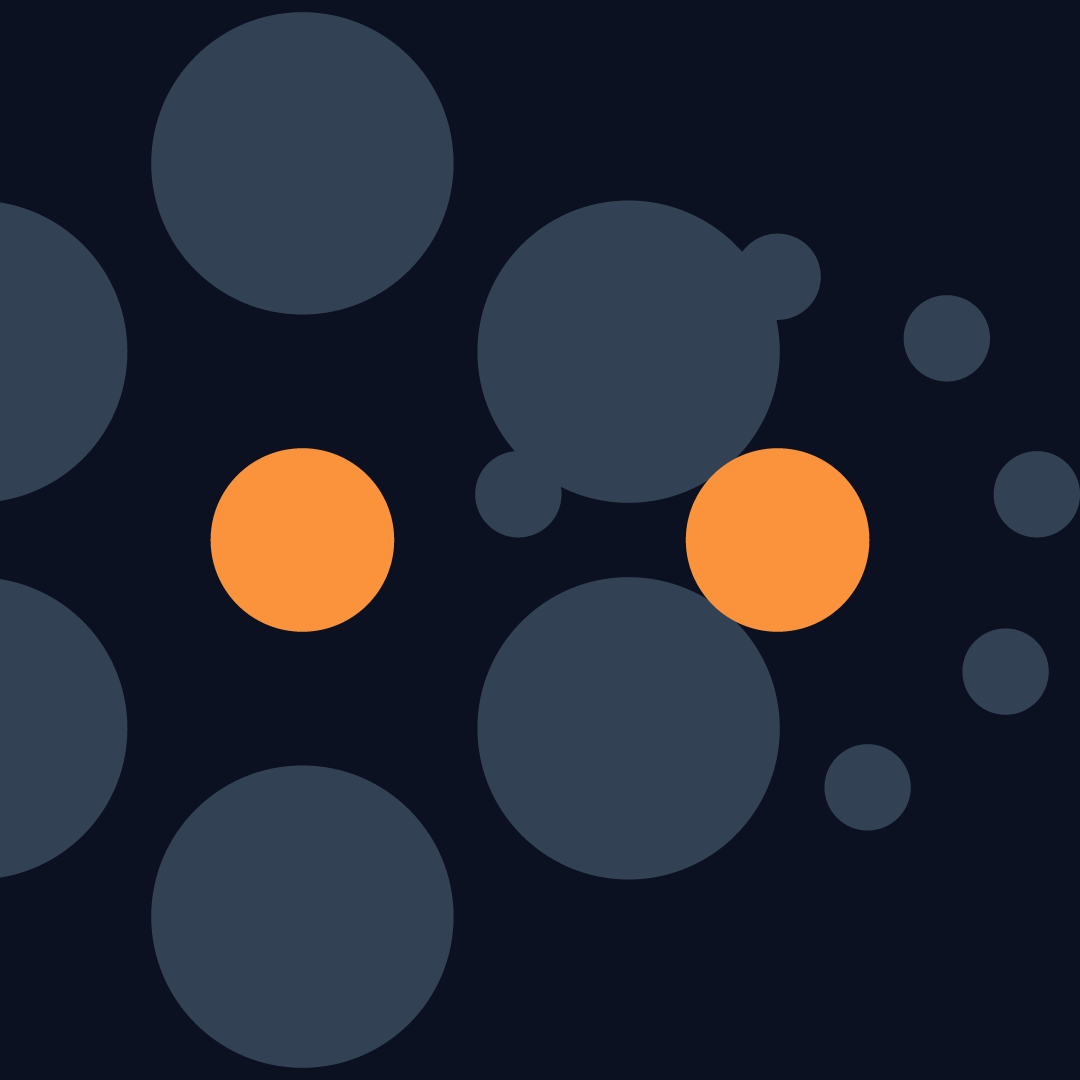
The orange circles in the center, left and right, are drawn with the exact same radius value. The only difference is the size and number of the circles surrounding them. The one ringed by large circles looks smaller; the one ringed by small circles looks bigger.
Why it looks that way
Your visual system is bad at measuring “absolute size” and instead judges by comparison with nearby objects. A large surround makes the center feel relatively small; a small surround makes it feel relatively large.
Distance between the surrounding circles and the center circle matters too. The closer they are, the more strongly they act as a comparison, and the stronger the illusion becomes.
Applications
This illusion is often cited in the observation that “the same food looks like more when served on a smaller plate.” It is a phenomenon applied directly to the design of how much a portion appears to be.
First described
After Hermann Ebbinghaus
Described by Ebbinghaus (1850–1909); introduced to English speakers by Edward B. Titchener's 1901 psychology textbook, hence "Titchener circles". The first-description year is unsettled.

Media — images and data
- OG / X (1200×630)
- Instagram square (1080×1080)
- Shorts / Reels vertical (1080×1920)
- Answer image — landscape (X)
- Answer image — square (Instagram)
- Answer image — vertical (Shorts)
- Post drafts (JSON)


Free to use for non-commercial purposes such as classes, school projects and blogs, with a link back to this page as the credit. Commercial use is not covered
Every figure is generated here from the phenomenon itself (re-implemented). A phenomenon known since the late 19th century. The placement, colors, and proportions of every circle are generated from this site's own parameters.