Drifting Tiles
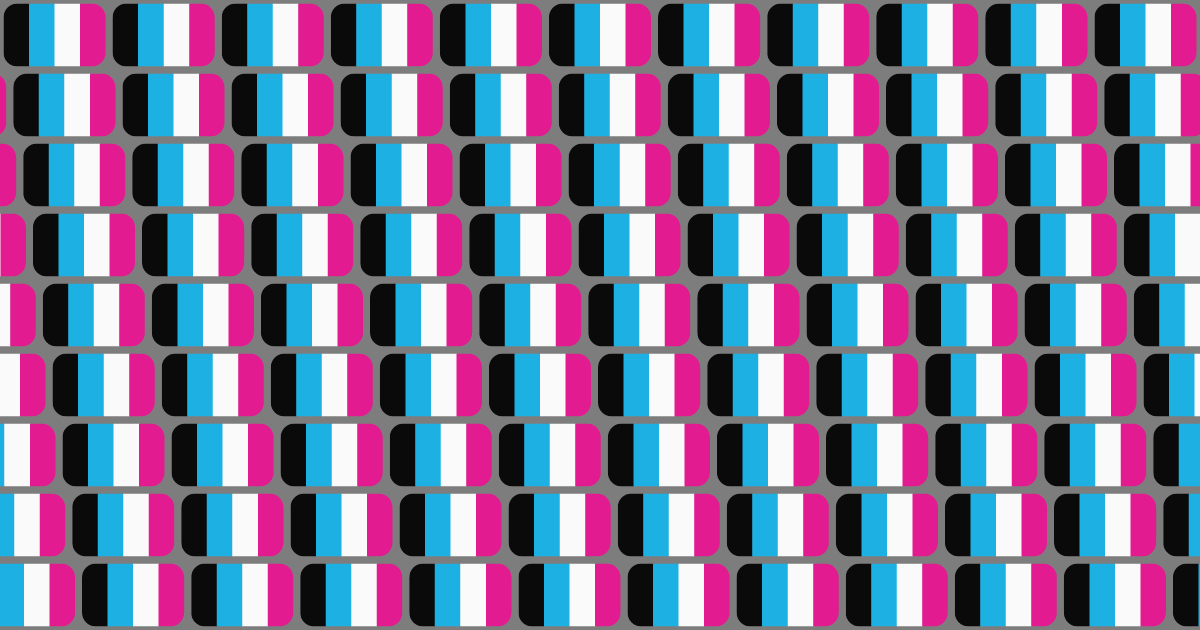
Drifting Tiles — 2026, generated SVG, dimensions variable · Motion · Still
After Jacques Faubert / Andrew Herbert, 1999
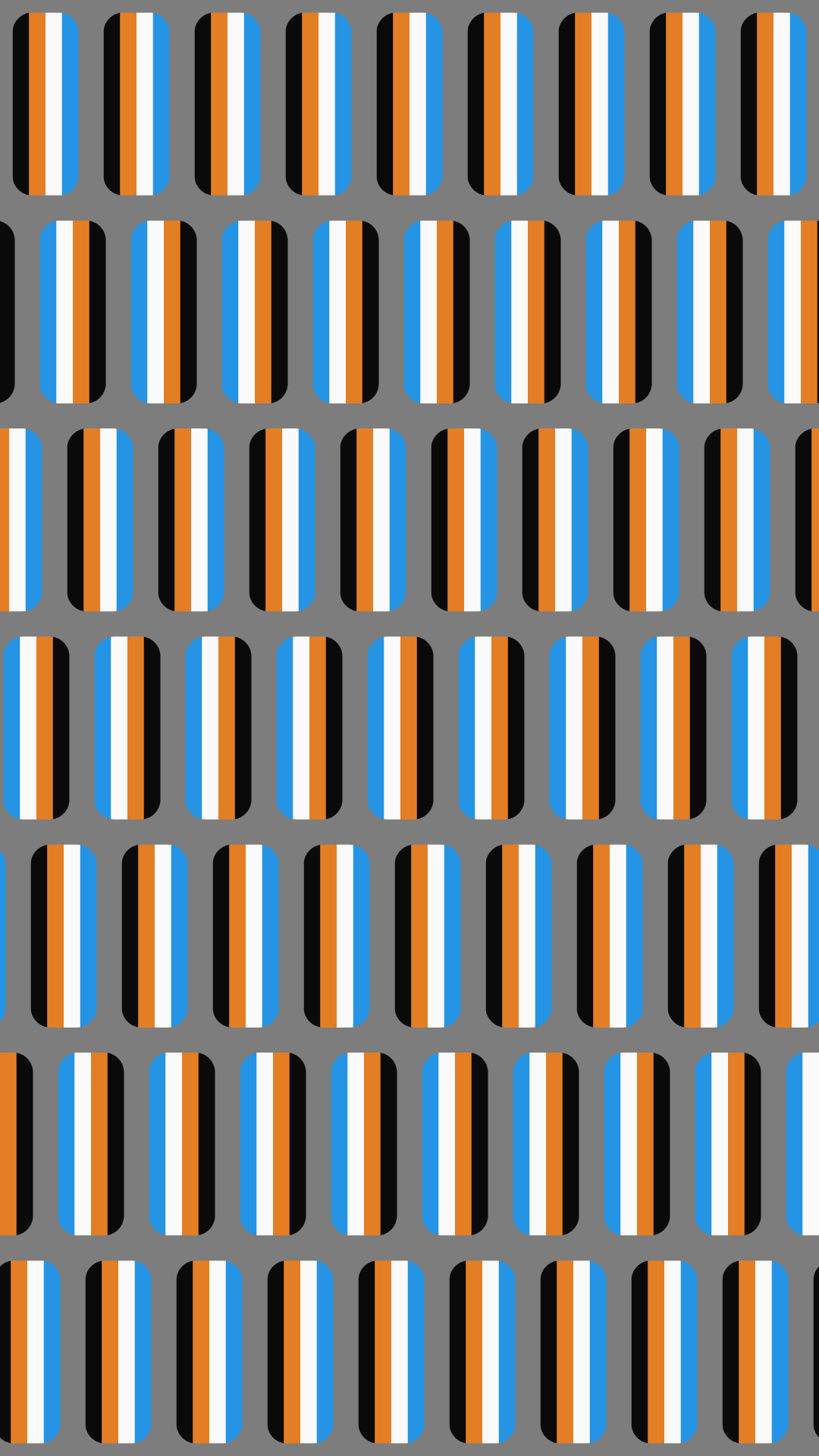
Nothing here is moving.
Is anything in this image moving?
How to look: Look loosely at the edge of the screen, not the center.
Share
Reveal the answer
It is a completely static image. Not one pixel is moving.
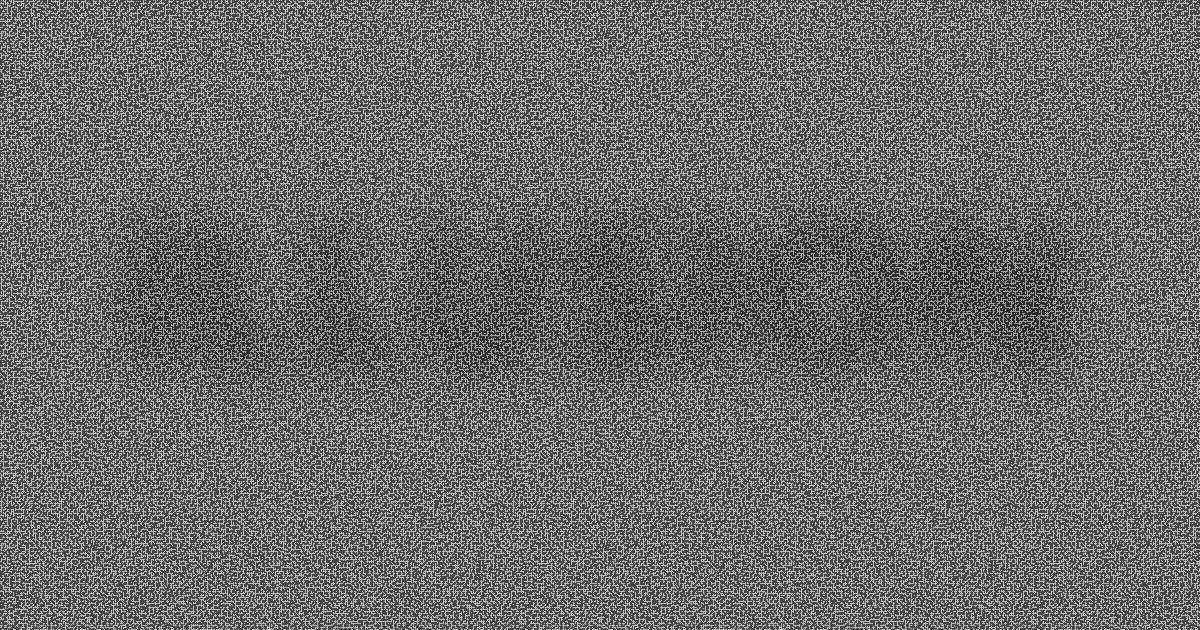
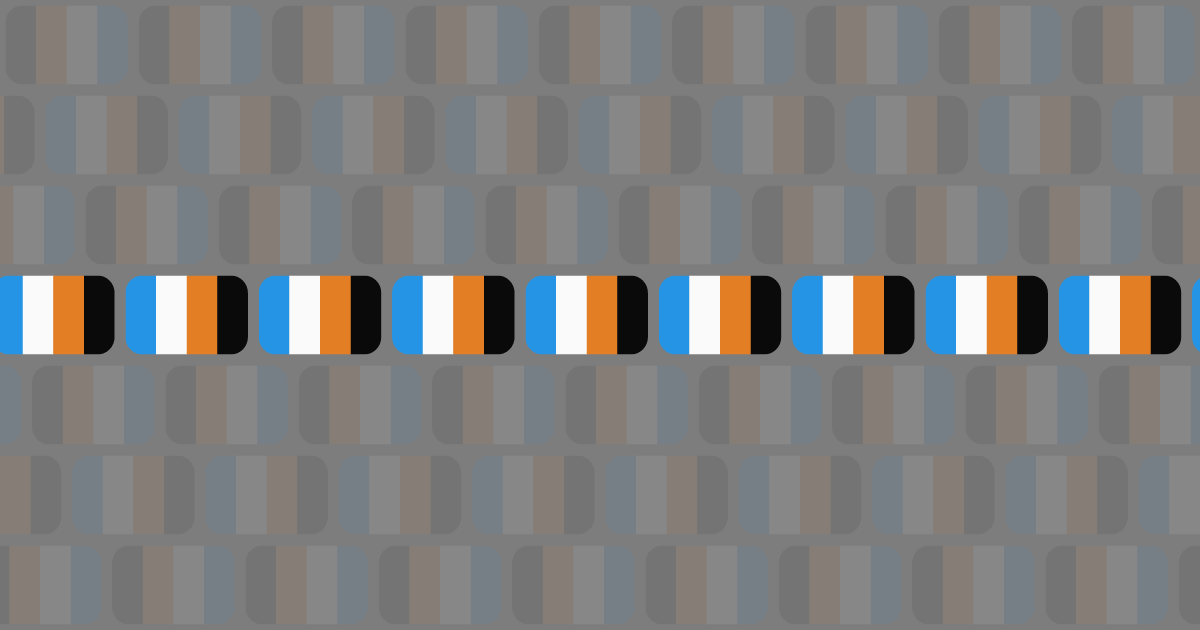
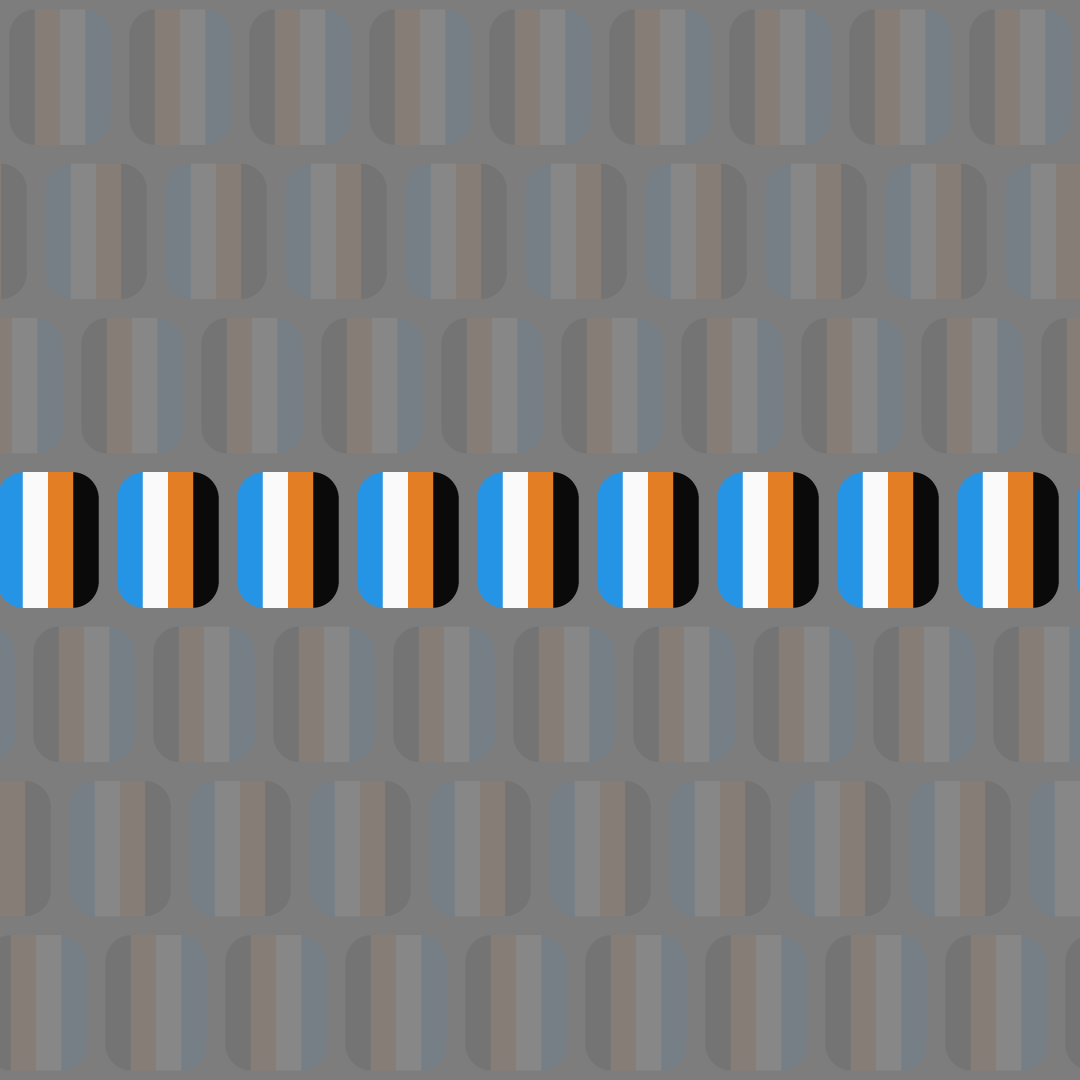
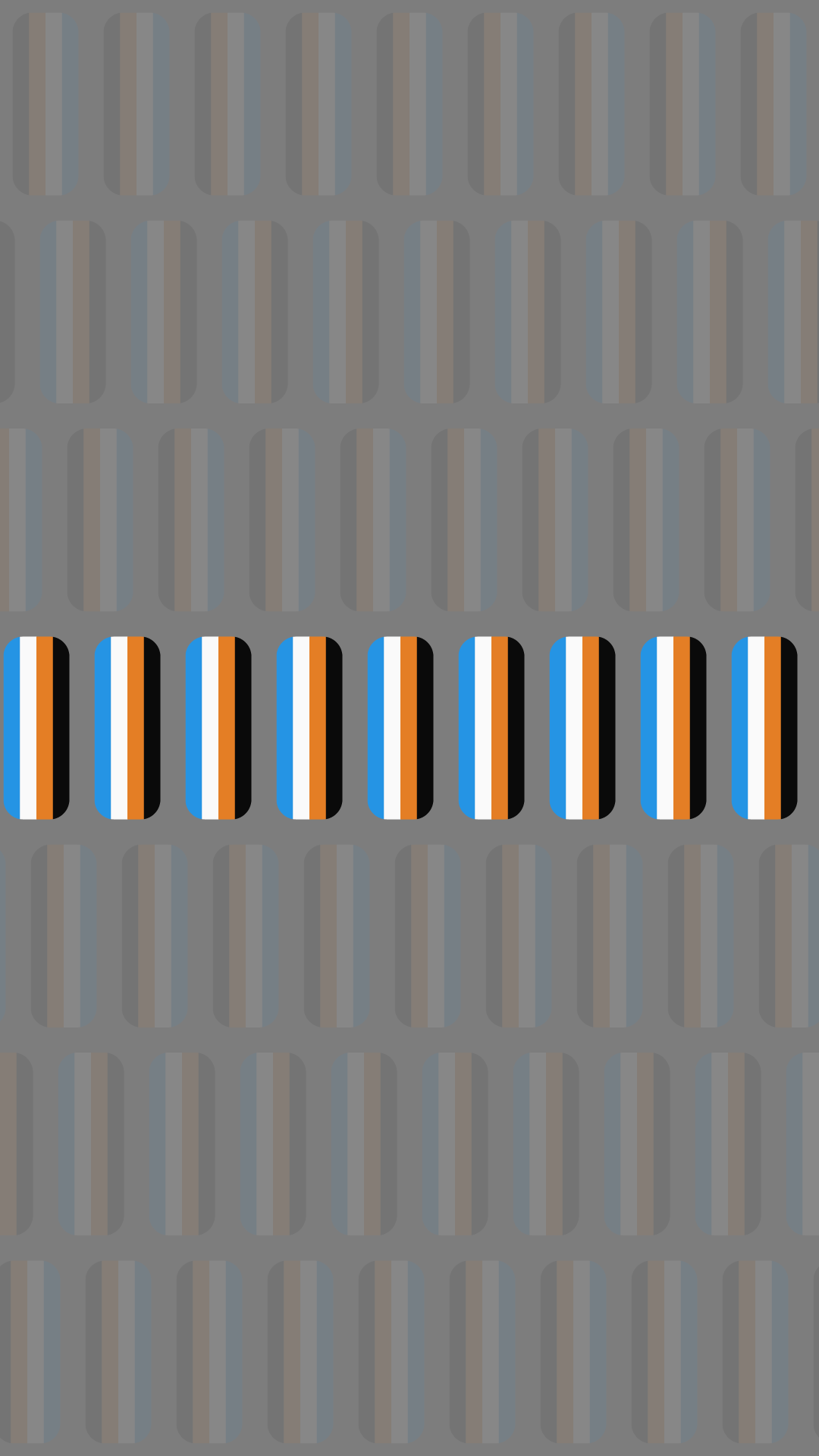
↑ The mechanism, made visible.
Notes — why it looks that way
What is happening
This image is a completely static SVG. There is no animation whatsoever. And yet moving your eyes across it, or placing it at the edge of your screen and looking at it loosely, makes the rows of tiles stream sideways.
Pressing “Reveal the answer” leaves only the middle row. Once the repetition is gone, the drift disappears too.
Why it looks that way
Each tile is painted in a fixed order: black → mid-tone → white → a different mid-tone. This “asymmetric luminance sequence” is the key.
- Your visual system processes bright and dark regions at slightly different speeds
- That tiny lag gets interpreted as “movement” between neighbouring luminance edges
- Central vision has enough resolution to cancel the lag out, but peripheral vision cannot
That gives it a rare property: it stops when you try to look at it directly, and moves when you don’t.
What changes the effect
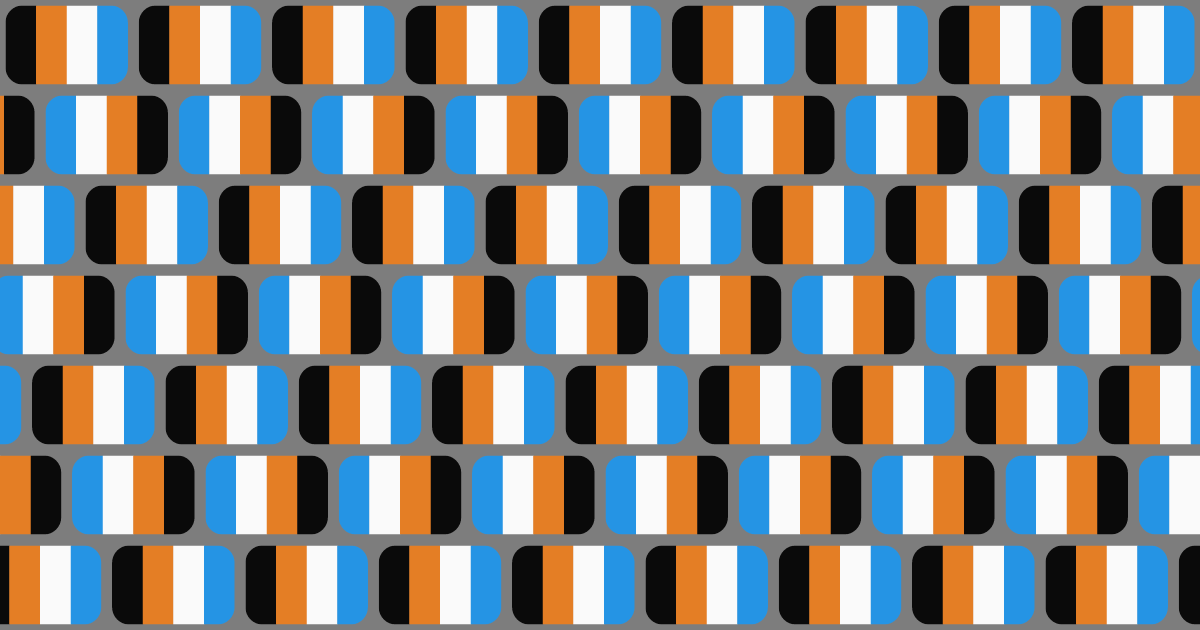
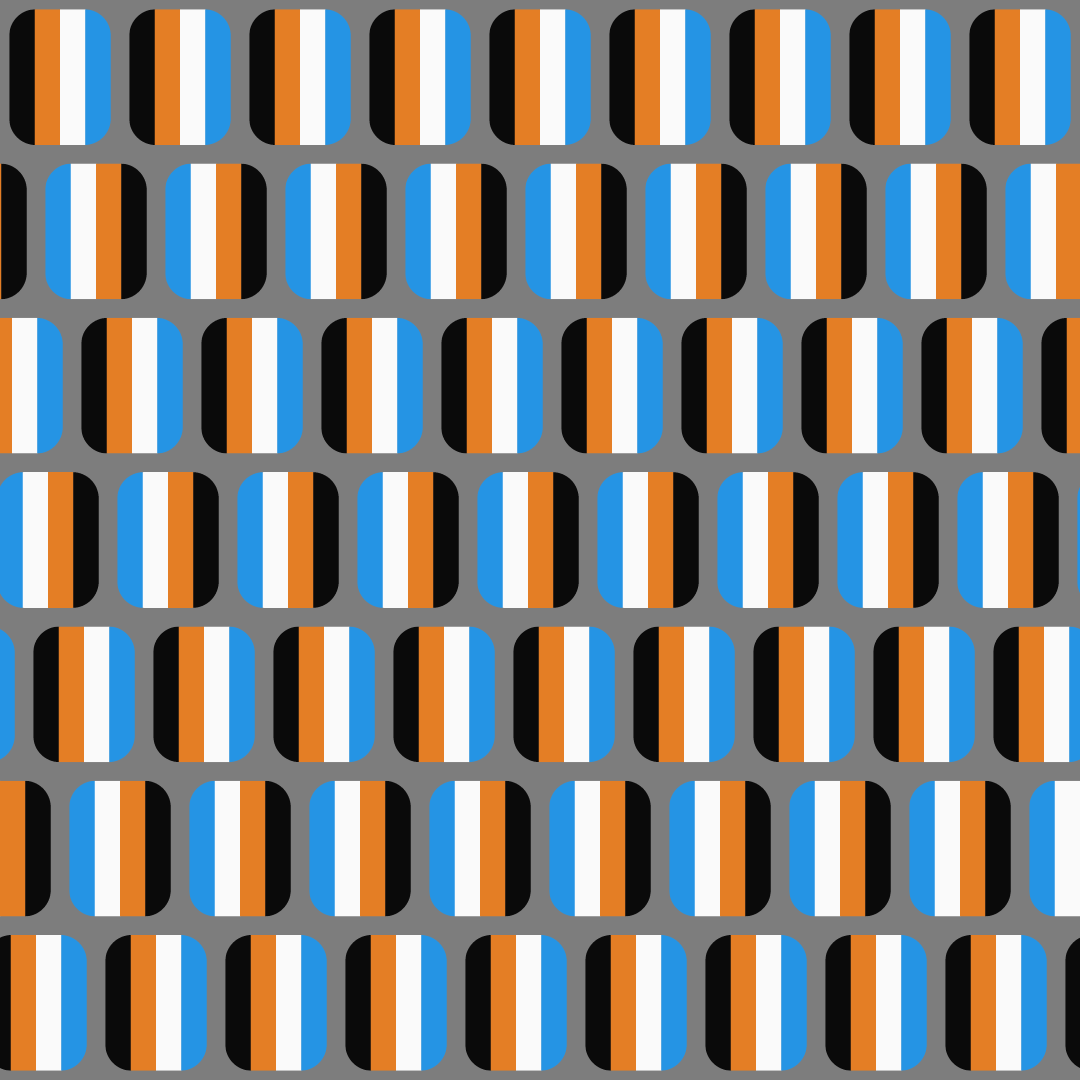
- When the order is reversed on every other row, neighbouring rows drift in opposite directions, producing a wave-like ripple
- The closer the mid-tones are to black or white, the weaker the effect
- Tiles that are too large get processed by central vision, and the motion disappears
First described
After Jacques Faubert / Andrew Herbert, 1999
Source: "The peripheral drift illusion: A motion illusion in the visual periphery", Perception
Akiyoshi Kitaoka's "Rotating Snakes" (2003) is the best-known work built on the same principle. No figure from that work is referenced here — only the underlying mechanism of apparent motion in peripheral vision is implemented from scratch.


Media — images and data
- OG / X (1200×630)
- Instagram square (1080×1080)
- Shorts / Reels vertical (1080×1920)
- Answer image — landscape (X)
- Answer image — square (Instagram)
- Answer image — vertical (Shorts)
- Post drafts (JSON)
Free to use for non-commercial purposes such as classes, school projects and blogs, with a link back to this page as the credit. Commercial use is not covered
Every figure is generated here from the phenomenon itself (original design). Only the general principle of peripheral drift (repeating an asymmetric luminance gradient) is used; the layout, colors, and proportions are all designed independently for this site. It is not a copy of any specific existing work.