Wave Drift
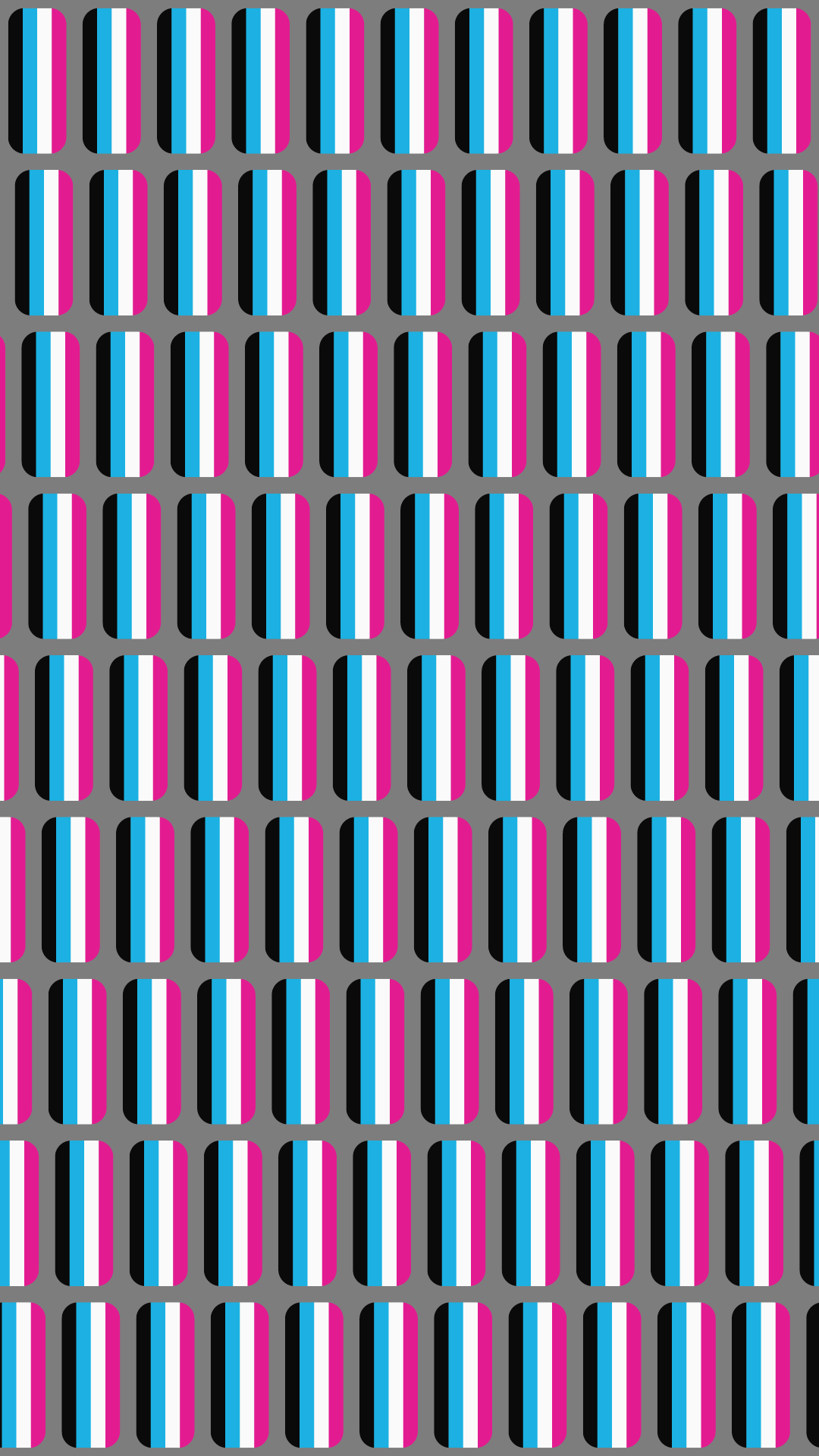
Wave Drift — 2026, generated SVG, dimensions variable · Motion · Still
After Jacques Faubert / Andrew Herbert, 1999
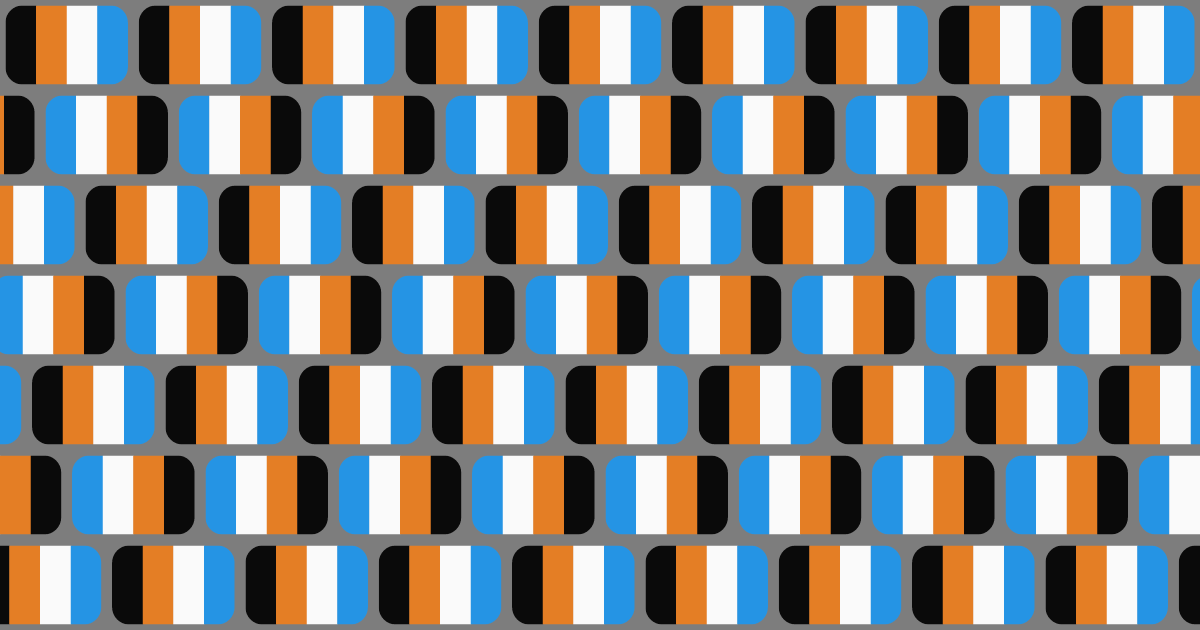
Can you see it rippling?
Does the whole screen look like it is rippling?
How to look: Let your gaze rest on the whole image, not one spot.
Share
Reveal the answer
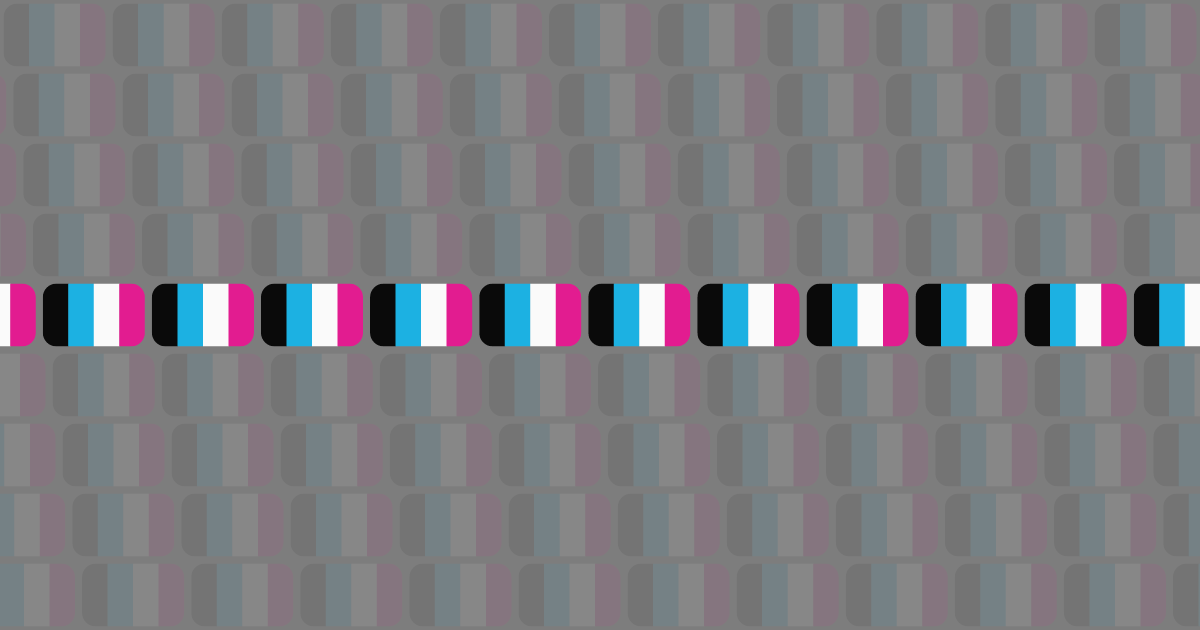
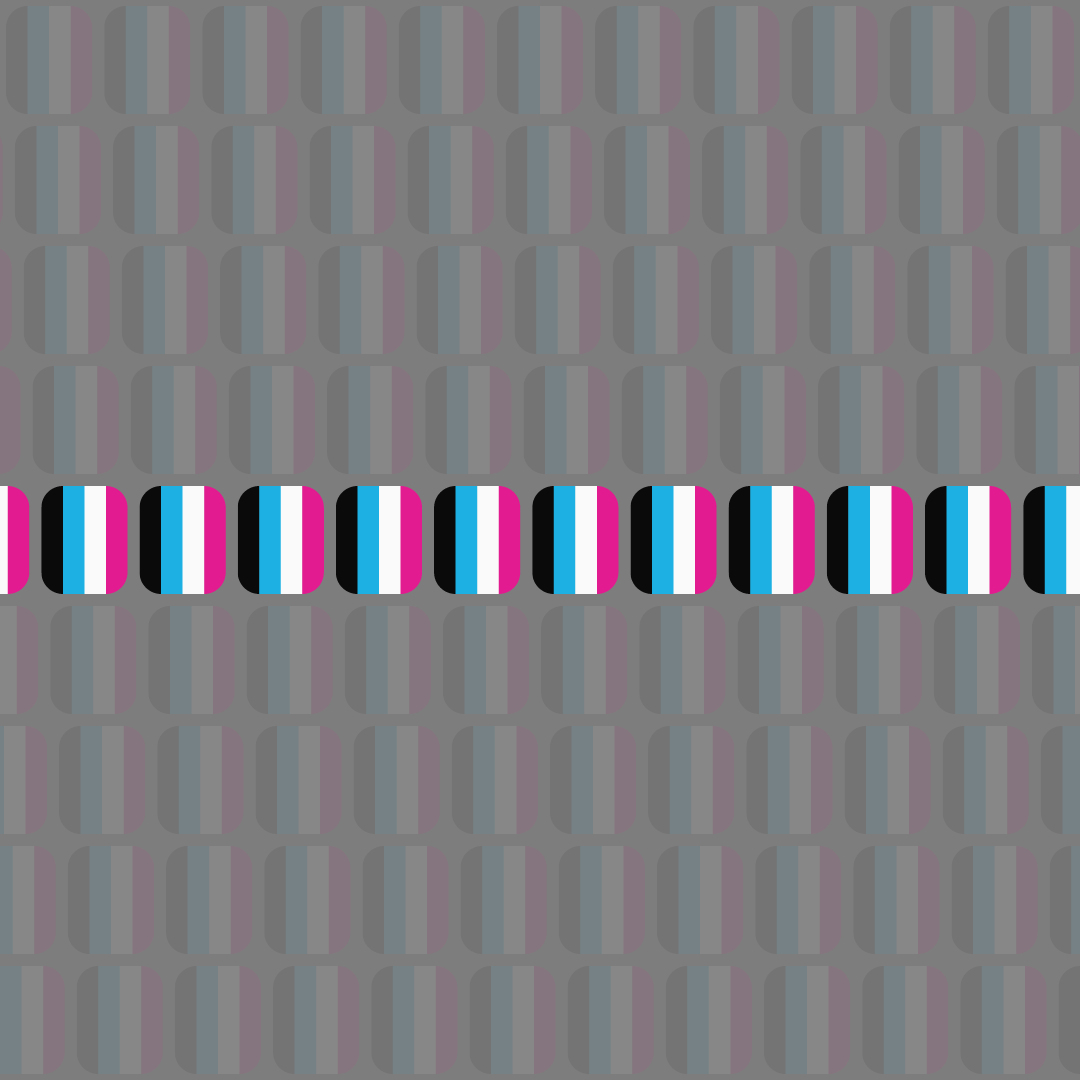
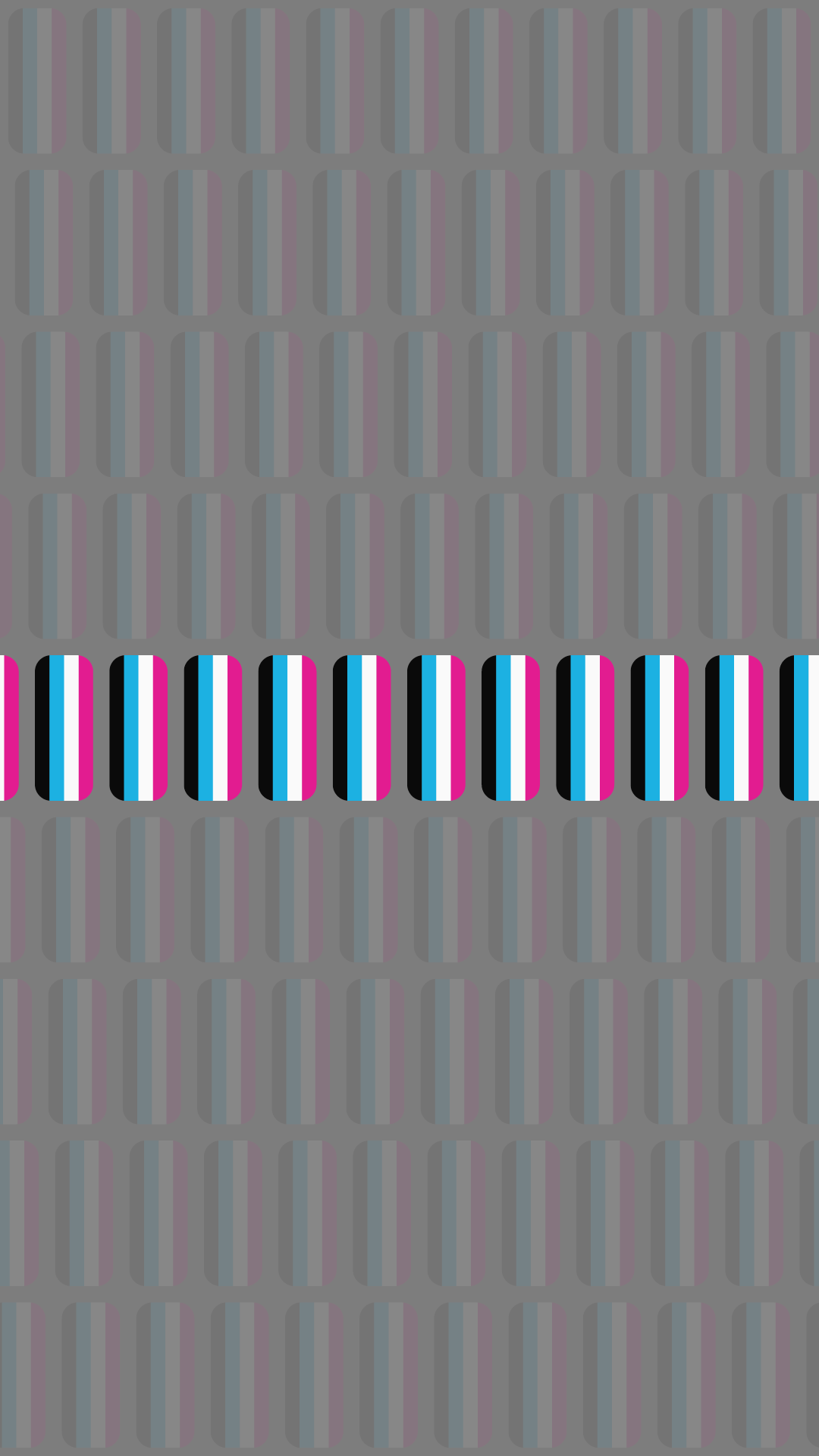
A completely static image. The rows are just offset a bit more each time.
↑ The mechanism, made visible.

Notes — why it looks that way
What is happening
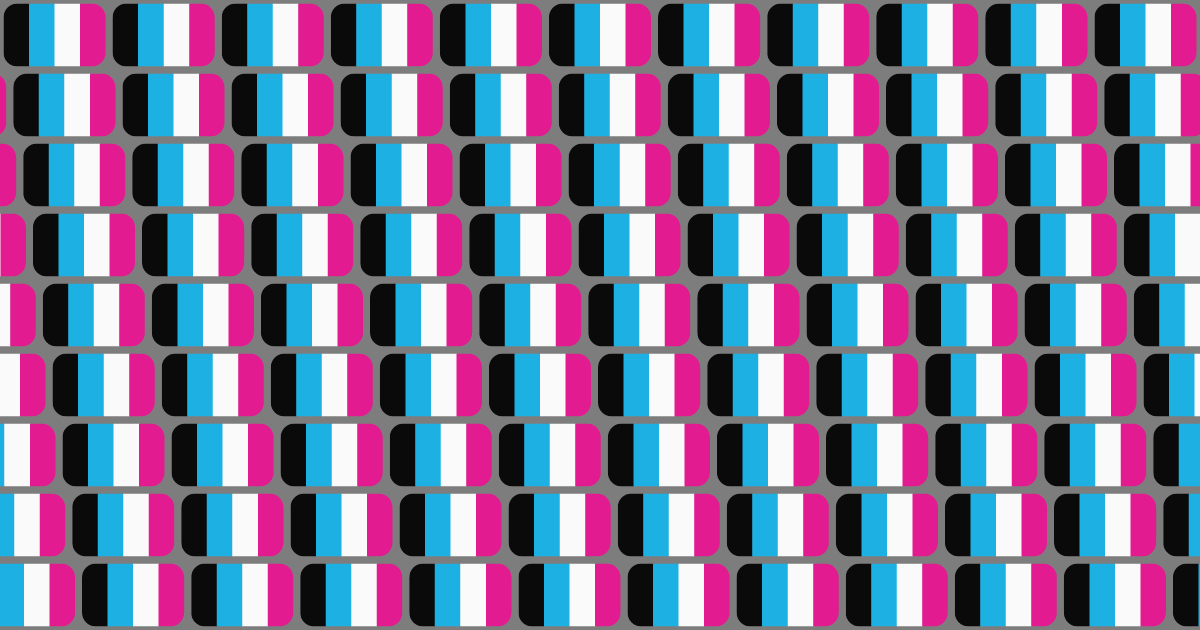
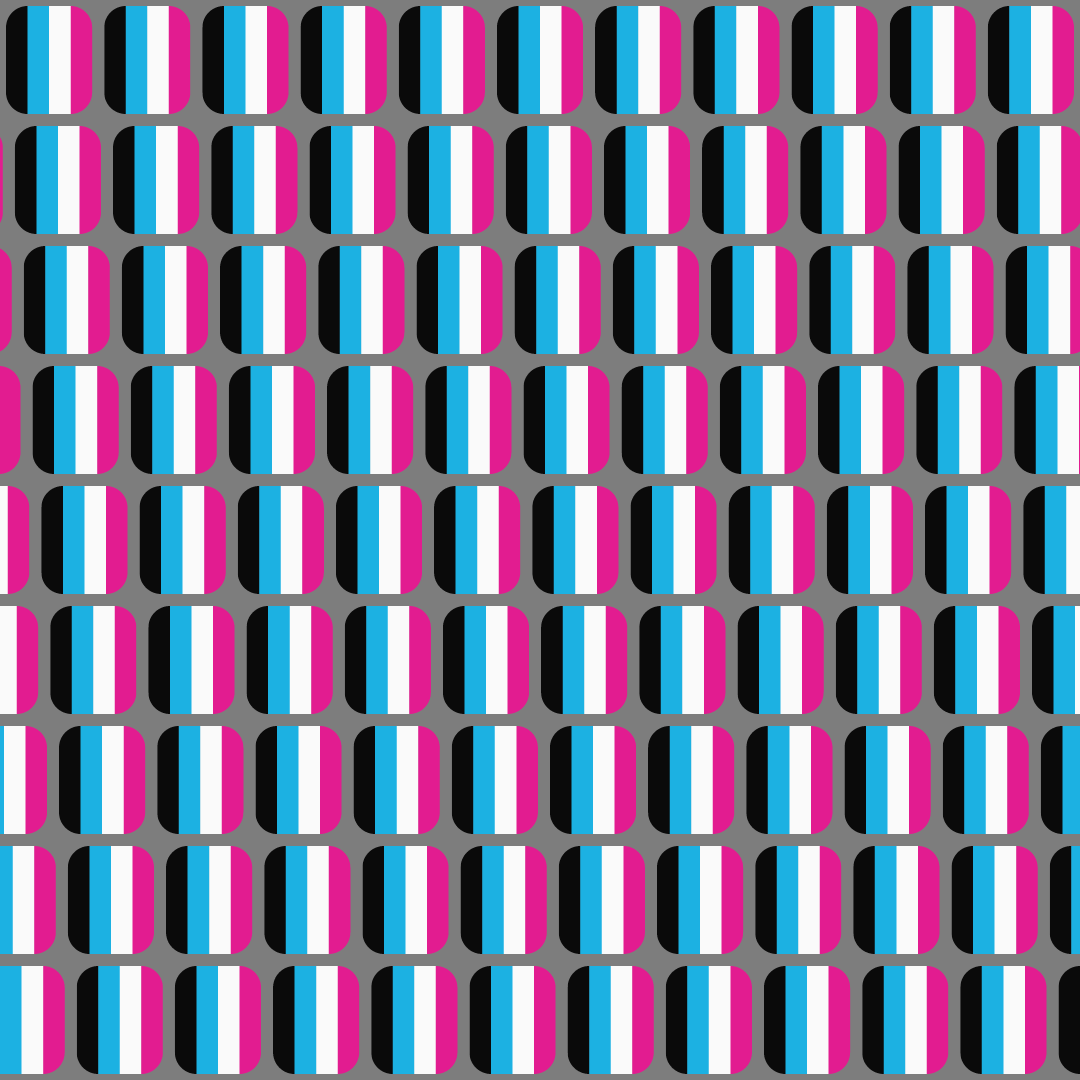
Like Drifting Tiles, this is a completely static image. But instead of a zigzag drift, the whole grid seems to ripple in one direction, like a wave.
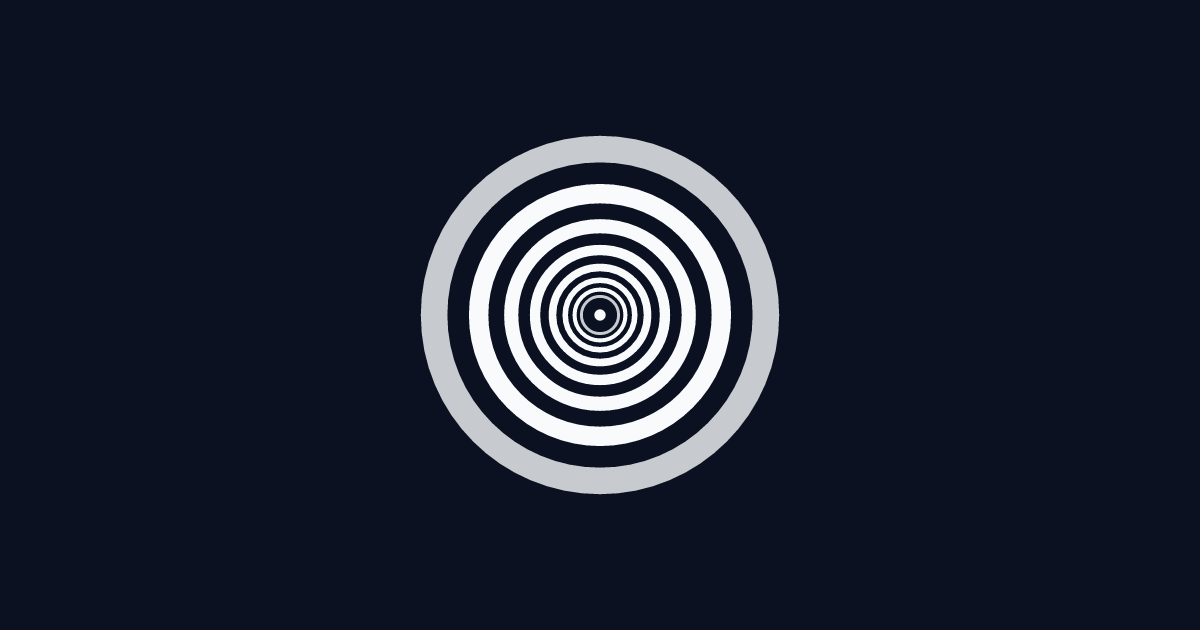
Pressing “Reveal the answer” leaves only the middle row. Once the other rows disappear, so does the ripple.
Why it looks that way
The trick uses the same luminance sequence as Drifting Tiles: black → mid-tone → white → a different mid-tone. What changes is how the rows relate to each other.
- Every row keeps the same color order, so in peripheral vision all of them appear to drift in the same direction
- The horizontal offset grows a little with each row down the grid, so the “phase” of that drift shifts diagonally from top to bottom
- The result reads not as individual tiles moving, but as one continuous wave sweeping across the whole image
Because Drifting Tiles reverses every other row, it reads as a zigzag. Here every row points the same way, so it is perceived as a single large wave instead.
What changes the effect
- A larger per-row offset makes the wave look like a steep diagonal stripe; a smaller one makes it a gentle, slow wave
- More rows make the wave read across a wider area
- Tiles that are too large get processed by central vision, and the motion disappears
First described
After Jacques Faubert / Andrew Herbert, 1999
Source: "The peripheral drift illusion: A motion illusion in the visual periphery", Perception
The same effect family (peripheral drift) as [Drifting Tiles](/en/illusions/drifting-tiles/), with only the row phase changed.
Media — images and data
- OG / X (1200×630)
- Instagram square (1080×1080)
- Shorts / Reels vertical (1080×1920)
- Answer image — landscape (X)
- Answer image — square (Instagram)
- Answer image — vertical (Shorts)
- Post drafts (JSON)
Free to use for non-commercial purposes such as classes, school projects and blogs, with a link back to this page as the credit. Commercial use is not covered
Every figure is generated here from the phenomenon itself (original design). Uses the same peripheral drift principle (a repeating asymmetric luminance gradient), but instead of reversing the color order on alternating rows, every row keeps the same order while the horizontal offset grows steadily from top to bottom. The layout, colors, and proportions are an independent design for this site; it is not a copy of any existing work.