Poggendorff Line
Poggendorff Line — 2026, generated SVG, dimensions variable · Geometry · Still
After Johann Christian Poggendorff, 1860
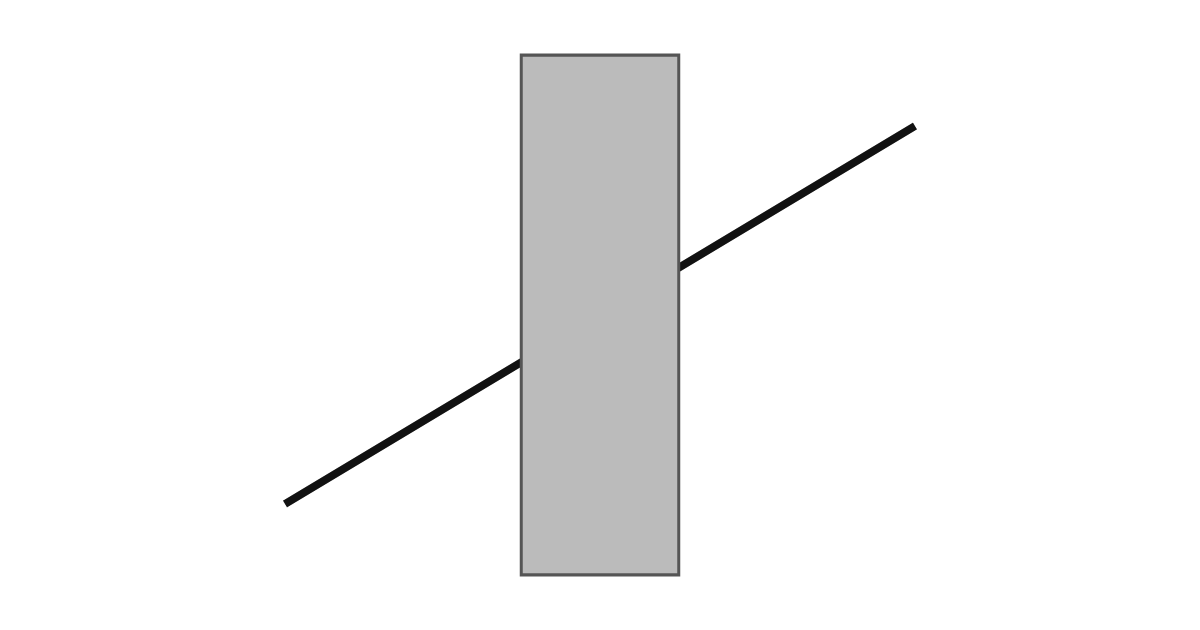
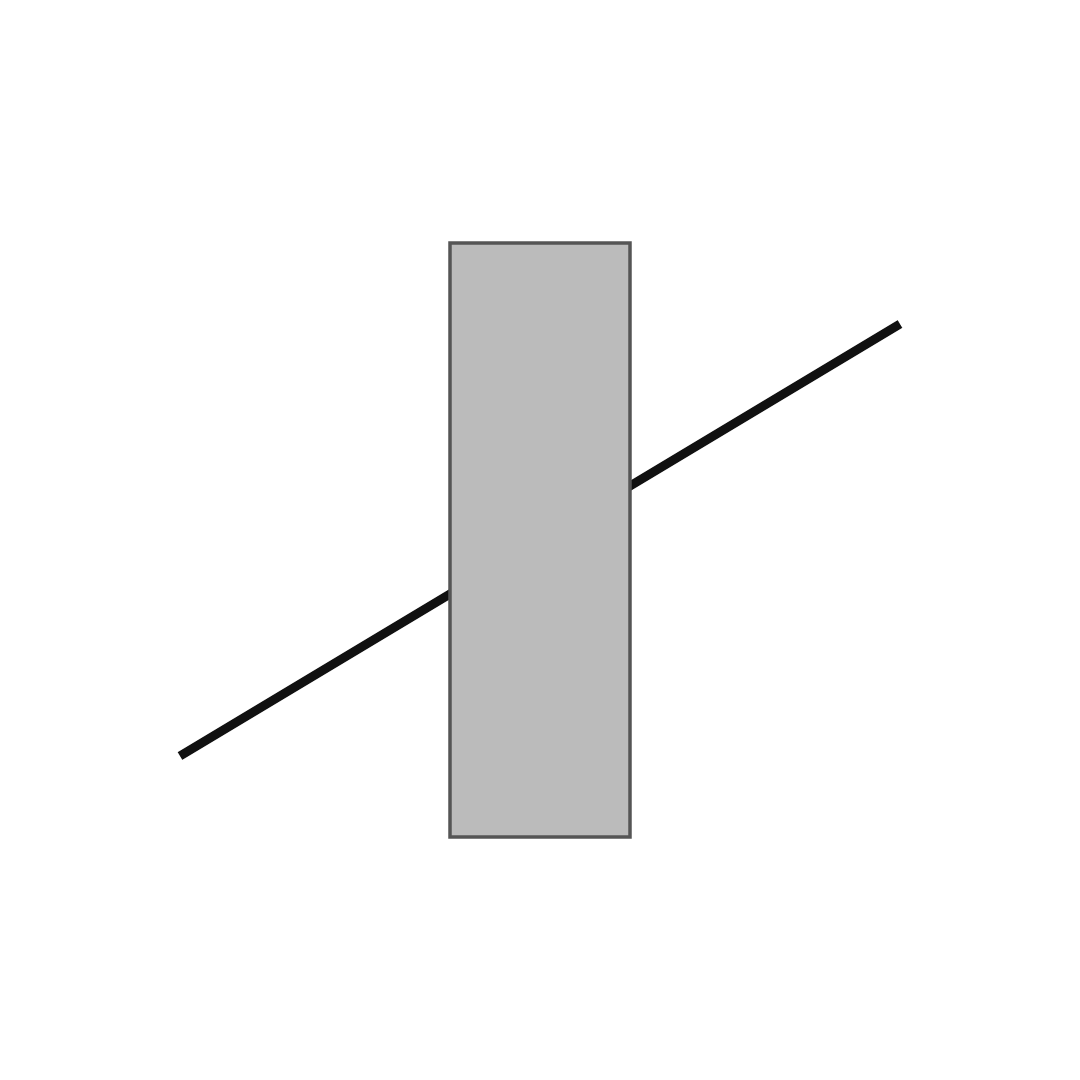
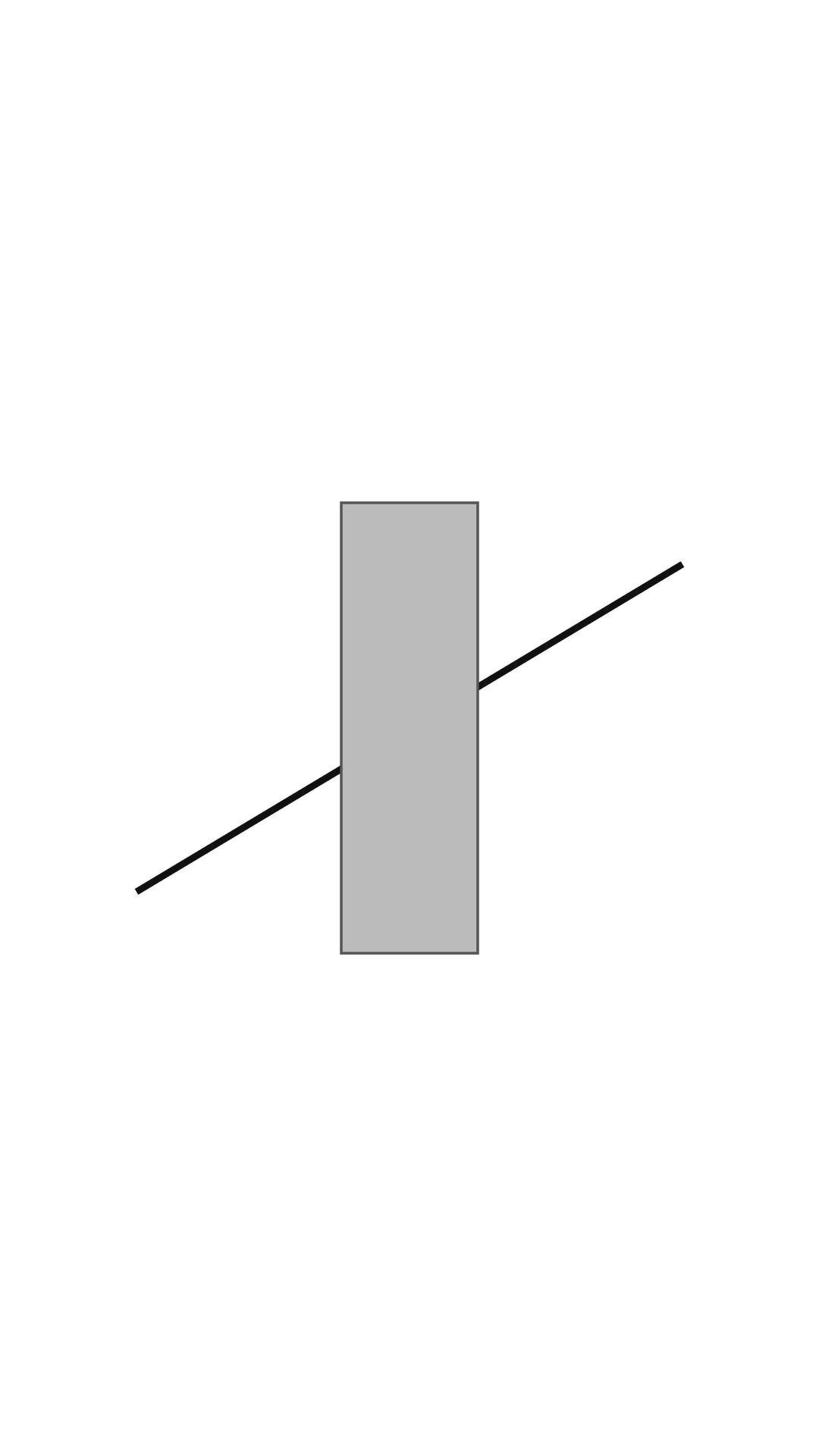
Do these segments line up?
Do the segments line up into one straight line?
Share
Reveal the answer
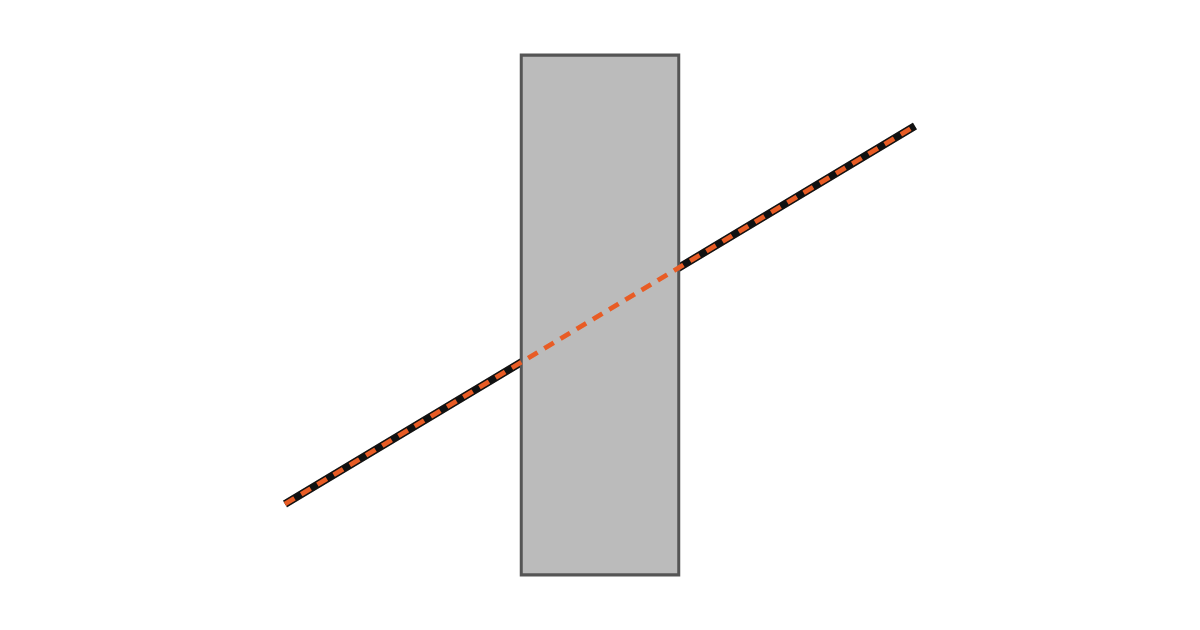
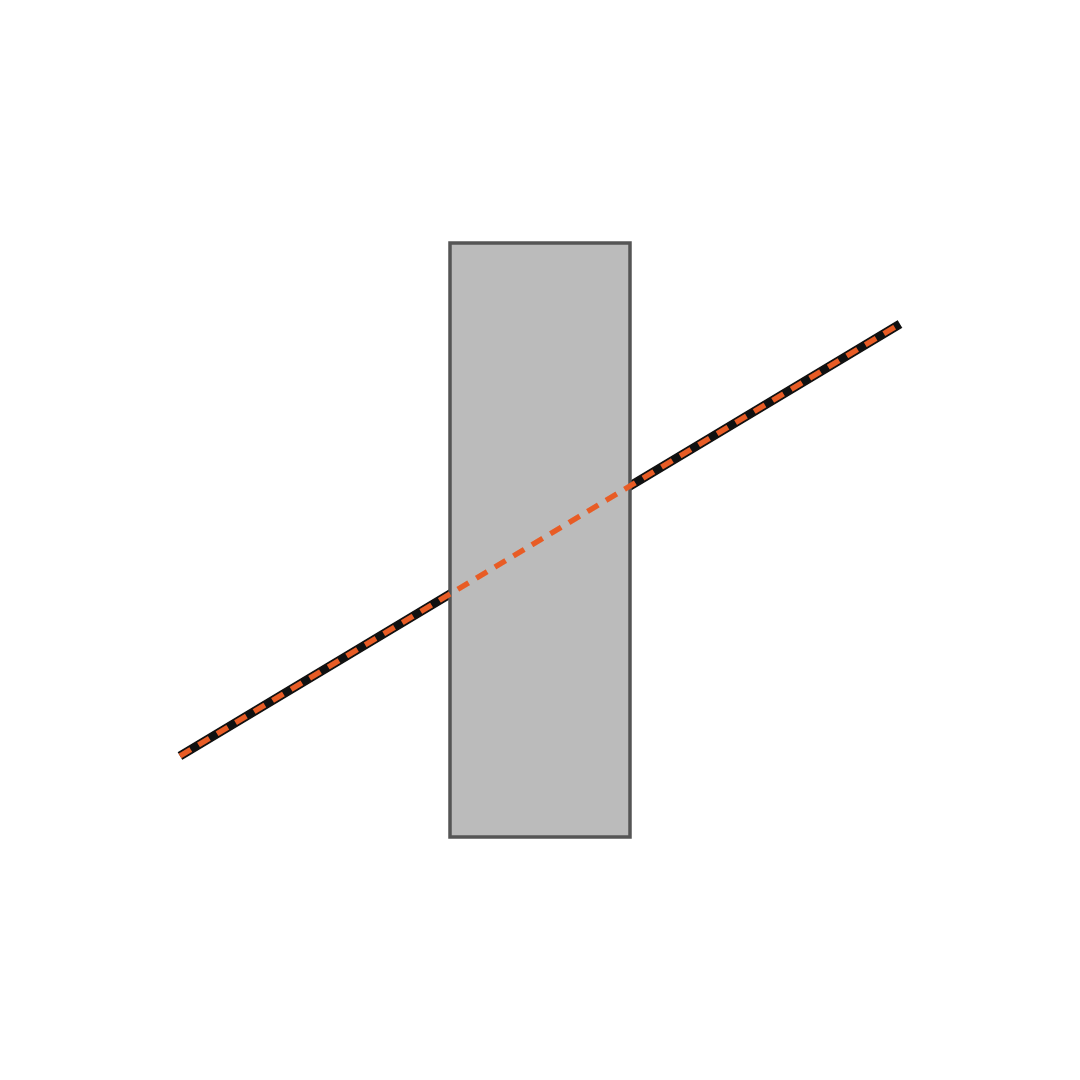
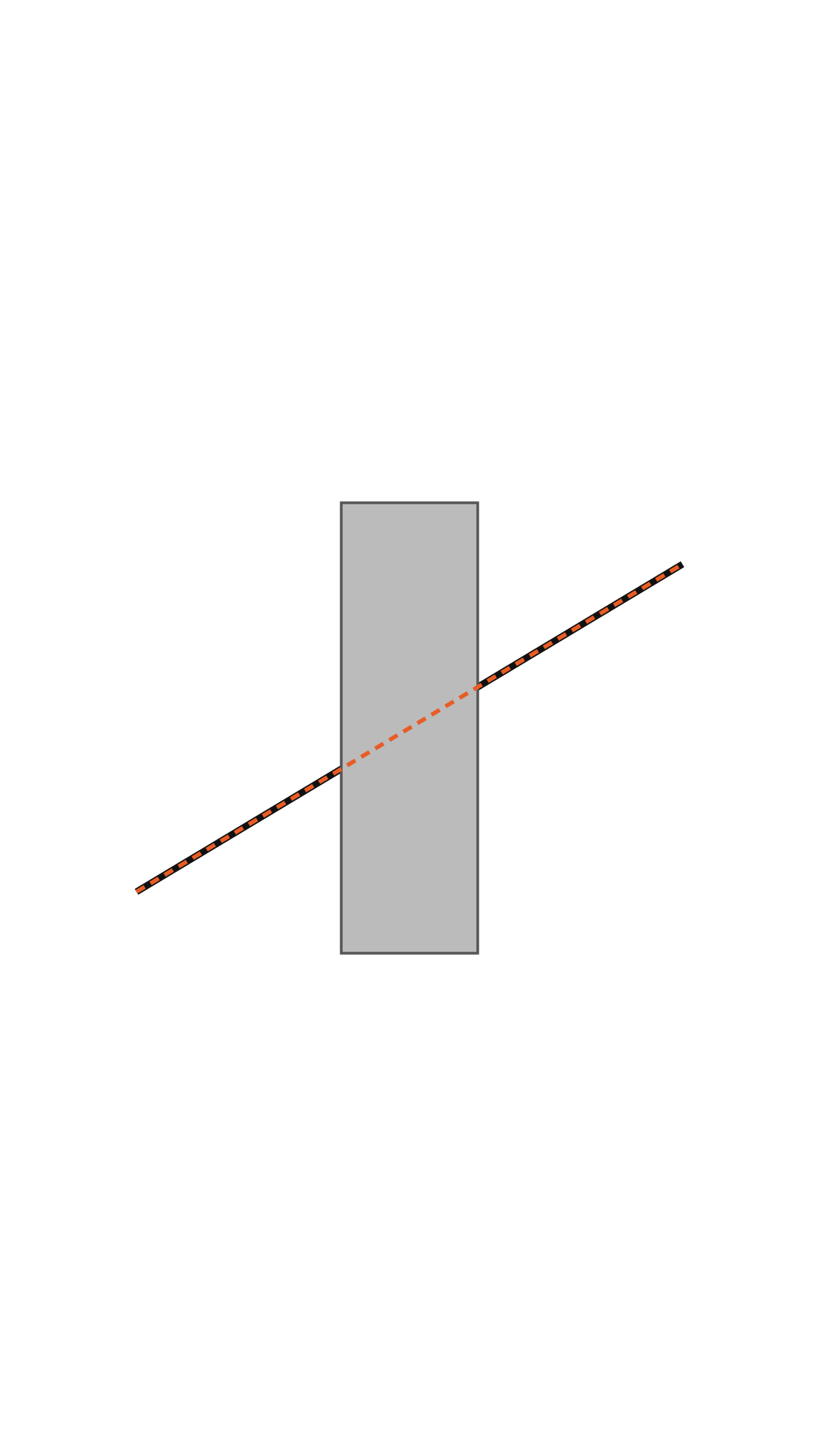
Both sides are one straight line, only hidden behind the band.
↑ The mechanism, made visible.
Notes — why it looks that way
What is happening
First, try mentally extending the line from the left side behind the band, and predict where it should emerge on the right. Does the actual right-side line look higher or lower than your prediction? This figure is drawn as one single line first, with a gray rectangle overlaid on top of it afterward — the two halves are not two separate lines placed with an offset.
Why it looks that way
When a diagonal line is interrupted at the edge of a band, your visual system has to estimate how the hidden part connects. The angle of intersection and the shape of the occluding band influence that direction judgment, so a truly straight line can end up feeling offset. It’s a difference between measuring a line and filling one in.
How to check
Removing the context reveals the hidden segment. Revealing the answer also adds a dotted line along the same path, confirming it runs straight from end to end. Try bringing the band back and see whether the earlier impression of misalignment also returns.
See another geometric illusion
First described
After Johann Christian Poggendorff, 1860
Poggendorff, the journal editor who received Zöllner's letter about his own illusion figure, noticed this separate illusion in it.

Media — images and data
- OG / X (1200×630)
- Instagram square (1080×1080)
- Shorts / Reels vertical (1080×1920)
- Answer image — landscape (X)
- Answer image — square (Instagram)
- Answer image — vertical (Shorts)
- Post drafts (JSON)
Free to use for non-commercial purposes such as classes, school projects and blogs, with a link back to this page as the credit. Commercial use is not covered
Every figure is generated here from the phenomenon itself (re-implemented). The general Poggendorff illusion principle is re-implemented here as SVG. No existing figure or code is reproduced.