What are hidden and ambiguous images?
Hidden and ambiguous images are illusions where one picture can be seen in two ways, or where something is concealed and only appears when you look for it. The lines and colors stay the same. Only what you see changes. Many works commonly called “trick art” belong in this category.
Illusions in this category
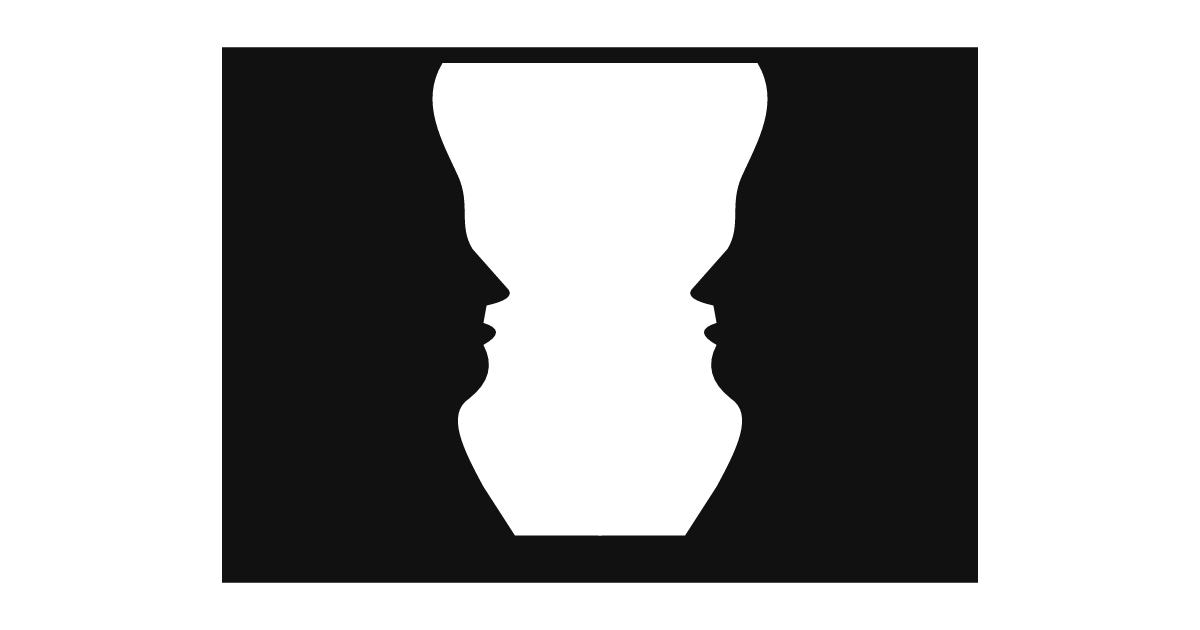
- Vase or Faces: it can look like a white vase or like two faces in profile facing each other. Which one you see depends on which part you take as the object (the figure), making it the classic example of figure-ground reversal.
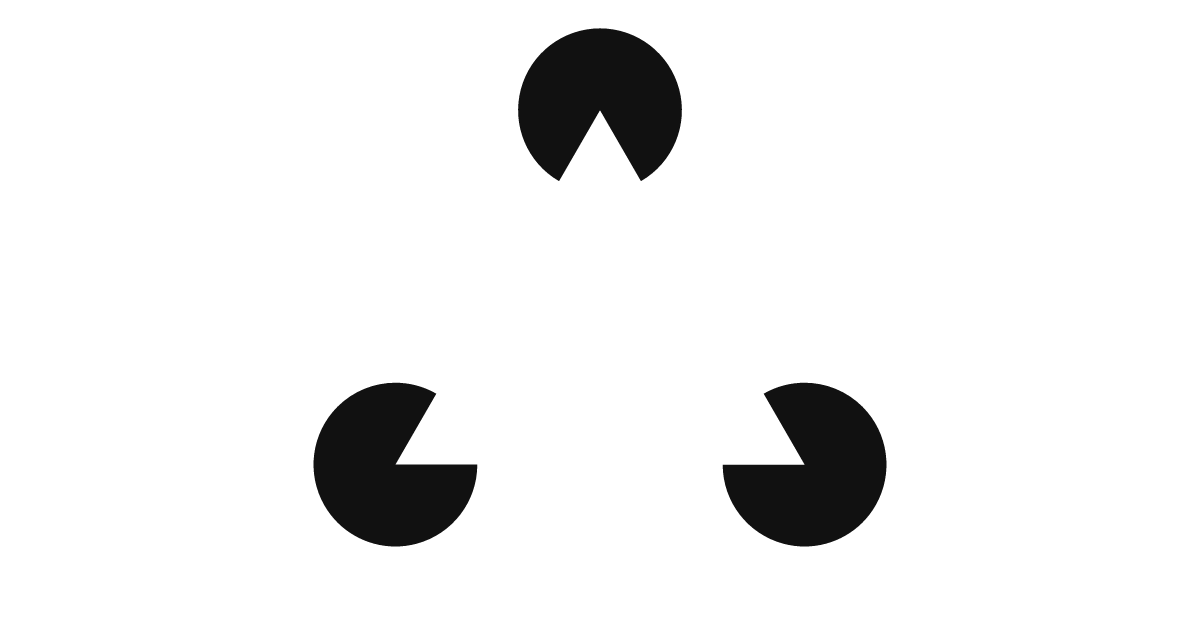
- Kanizsa Triangle: you see the outline of a white triangle that was never drawn. These are called subjective contours.
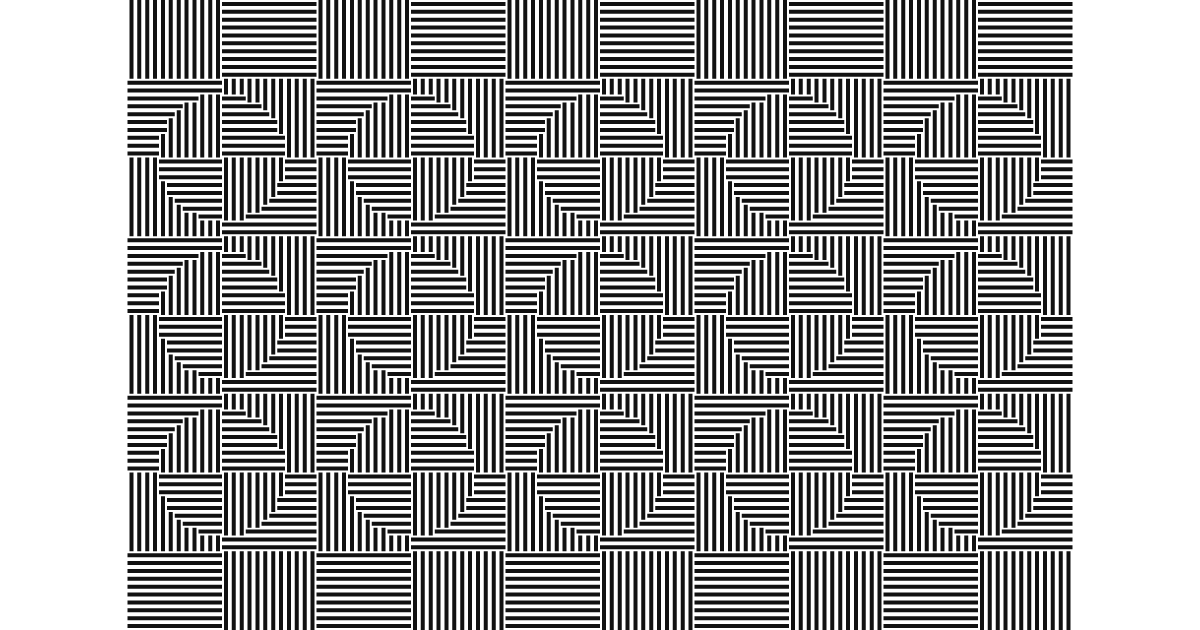
- Coffer Illusion: circles hide in a grid of rectangles made of vertical and horizontal stripes. The stronger the rectangles look, the harder the circles are to spot.
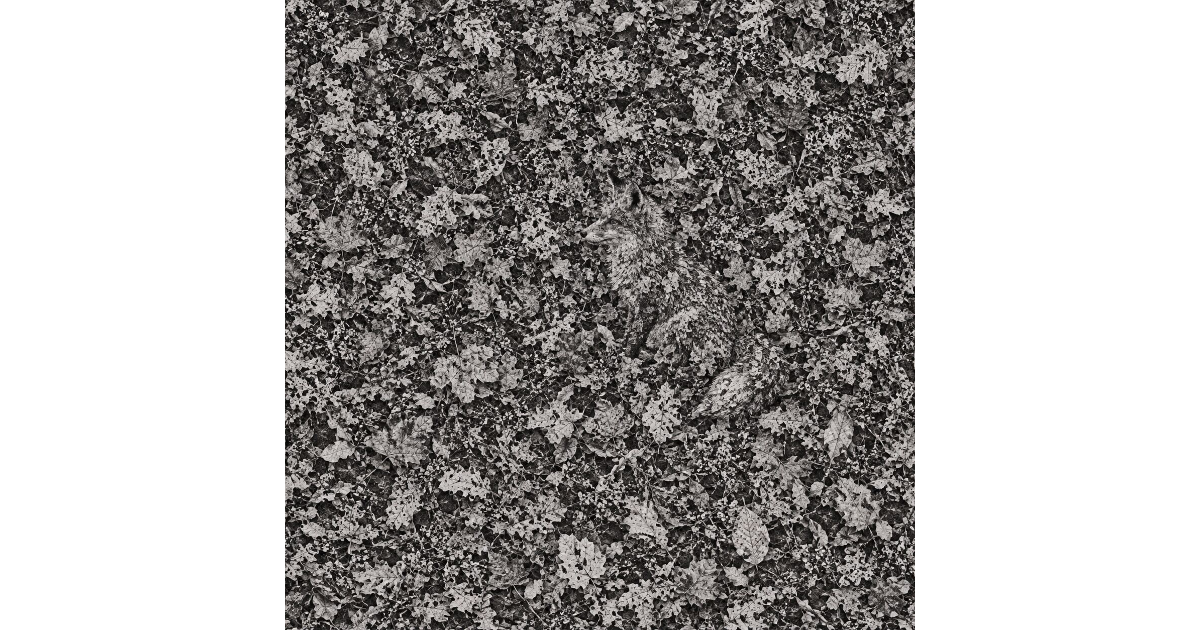
- Hidden in the Leaves: an animal hides in a pattern of fallen leaves. Once you spot it, you cannot go back to not seeing it.
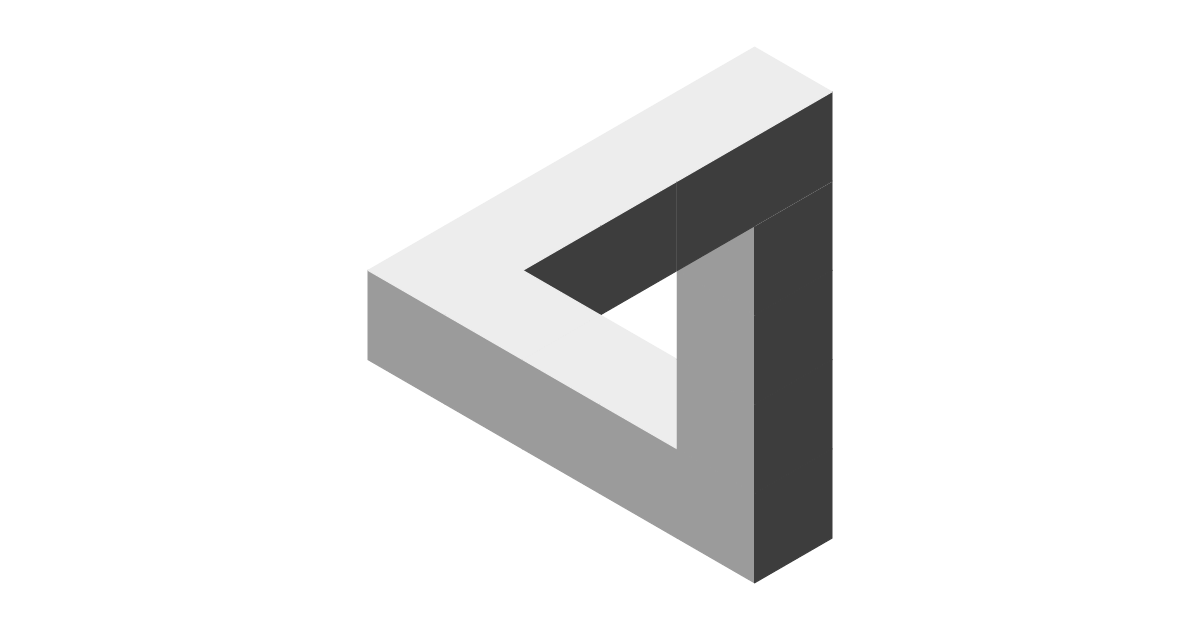
- Penrose Triangle: three square beams bend at right angles and close into a triangle. Every corner is a valid solid, yet the whole looks impossible to build.
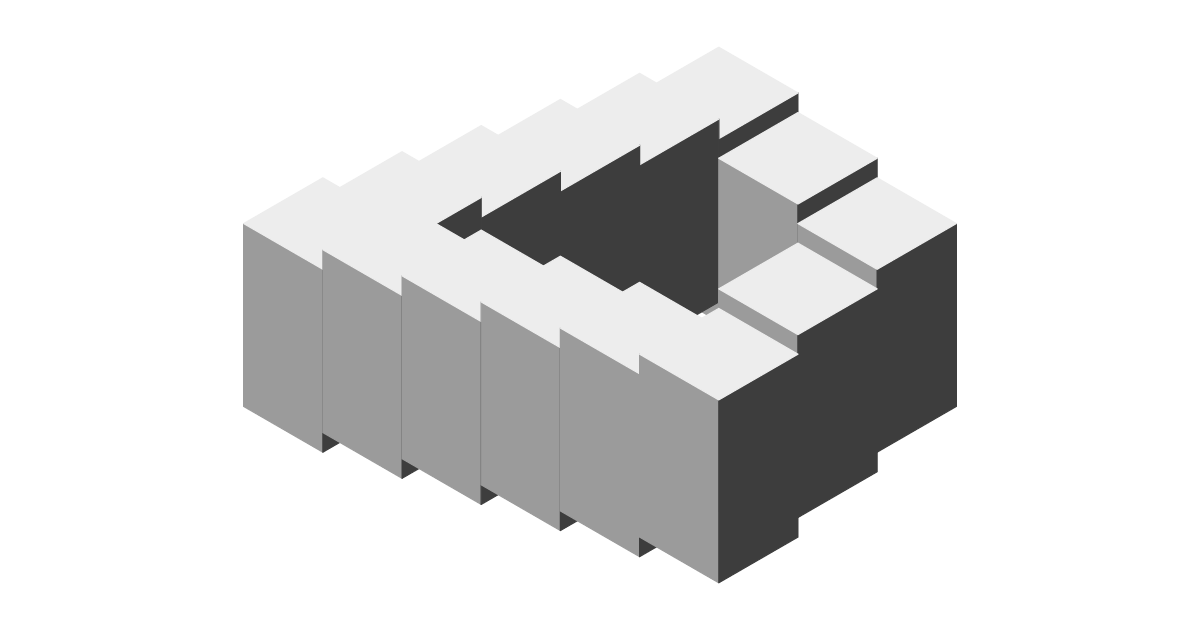
- Penrose Stairs: a staircase runs in a square loop. Each step is one higher than the last, yet one lap brings you back to where you started.
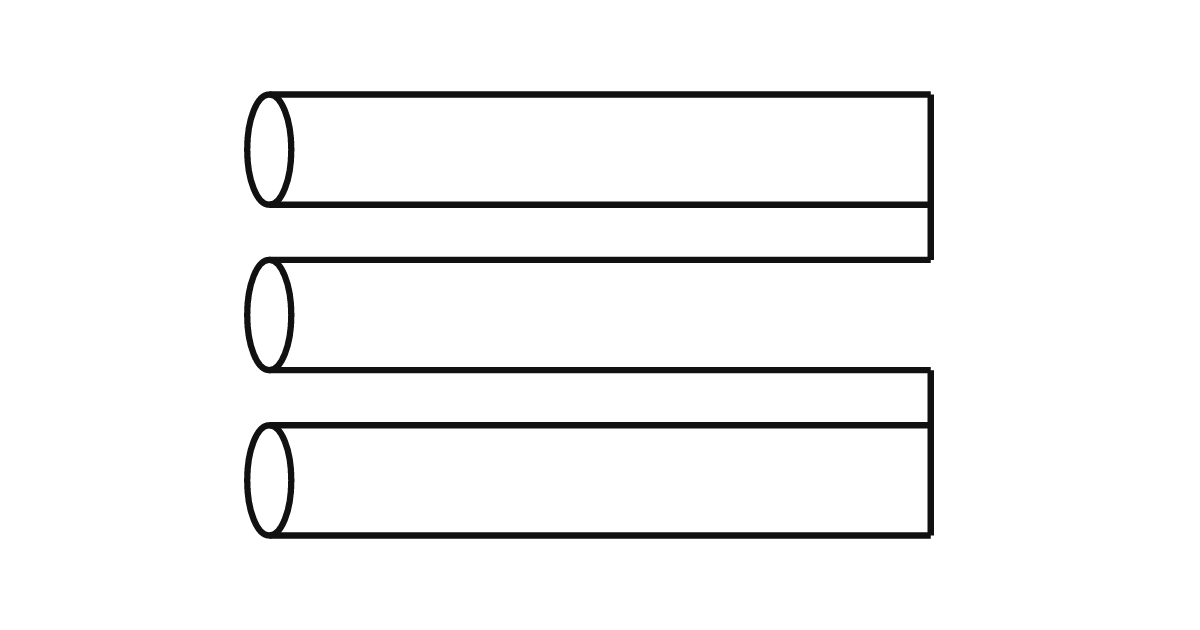
- Impossible Trident (Devil’s Fork): one silhouette with three round rods on the left and two square bars on the right. Nothing shows how the middle connects them.
Why does what you see switch?
Vision builds the lines and colors that reach the eye into “what shape is this”. When a picture can be assembled in two ways, only one is picked at a time, and the two sometimes swap. Once something has been assembled into a shape, you find it faster the next time. That is why a hidden image is easy to see once you know the answer.
Check it yourself
Use the answer on each page to see the hidden shape or the second reading. Then close the answer and try to get back to your first view.
Another illusion that is invisible up close and appears from afar is in Distance-dependent illusions.