Penrose Stairs
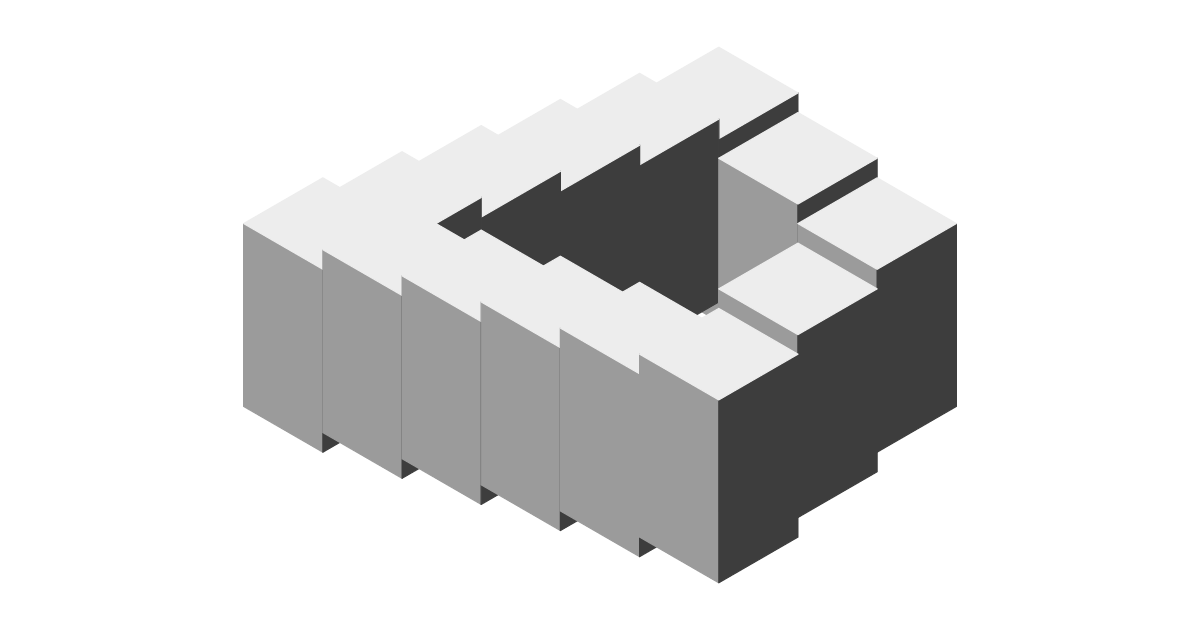
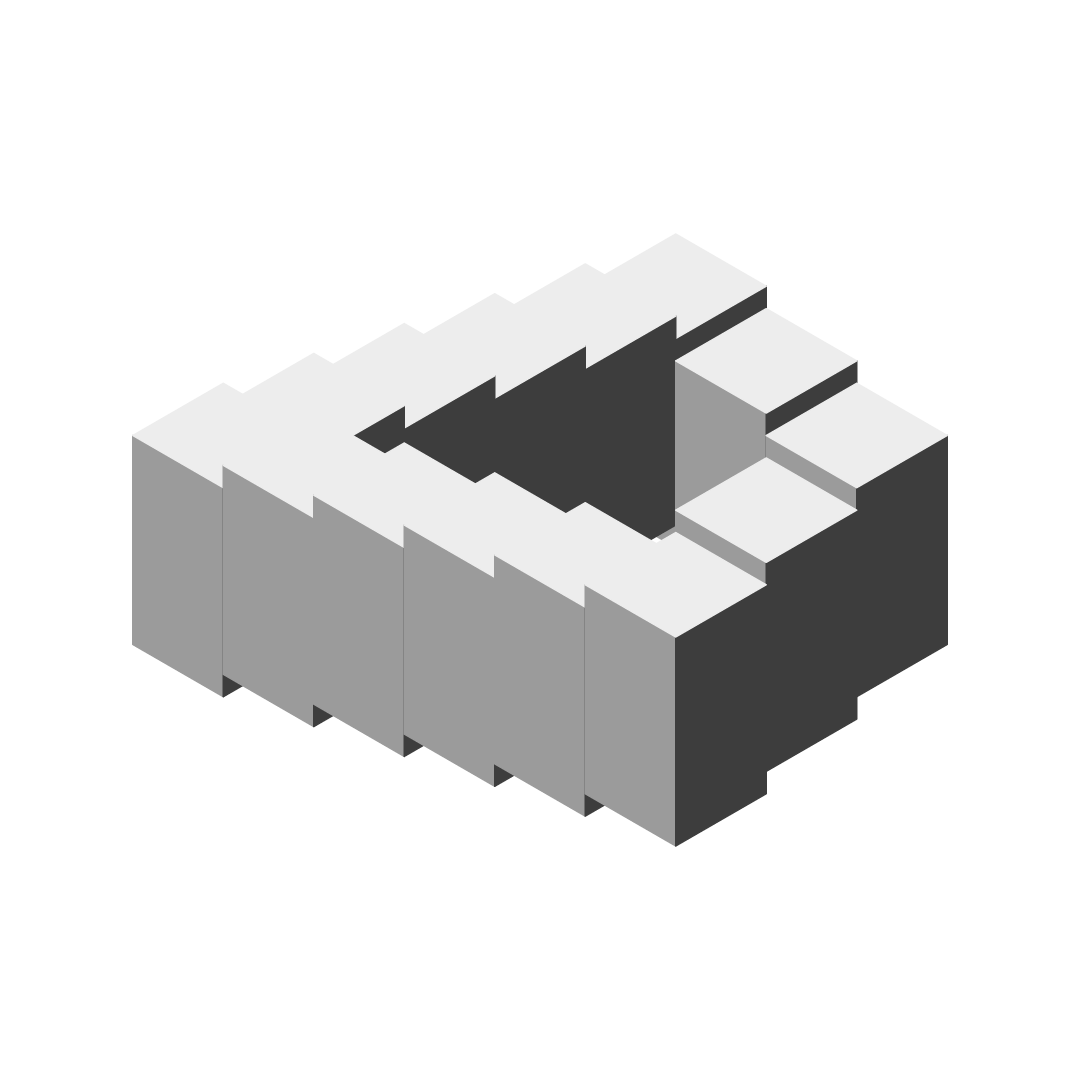
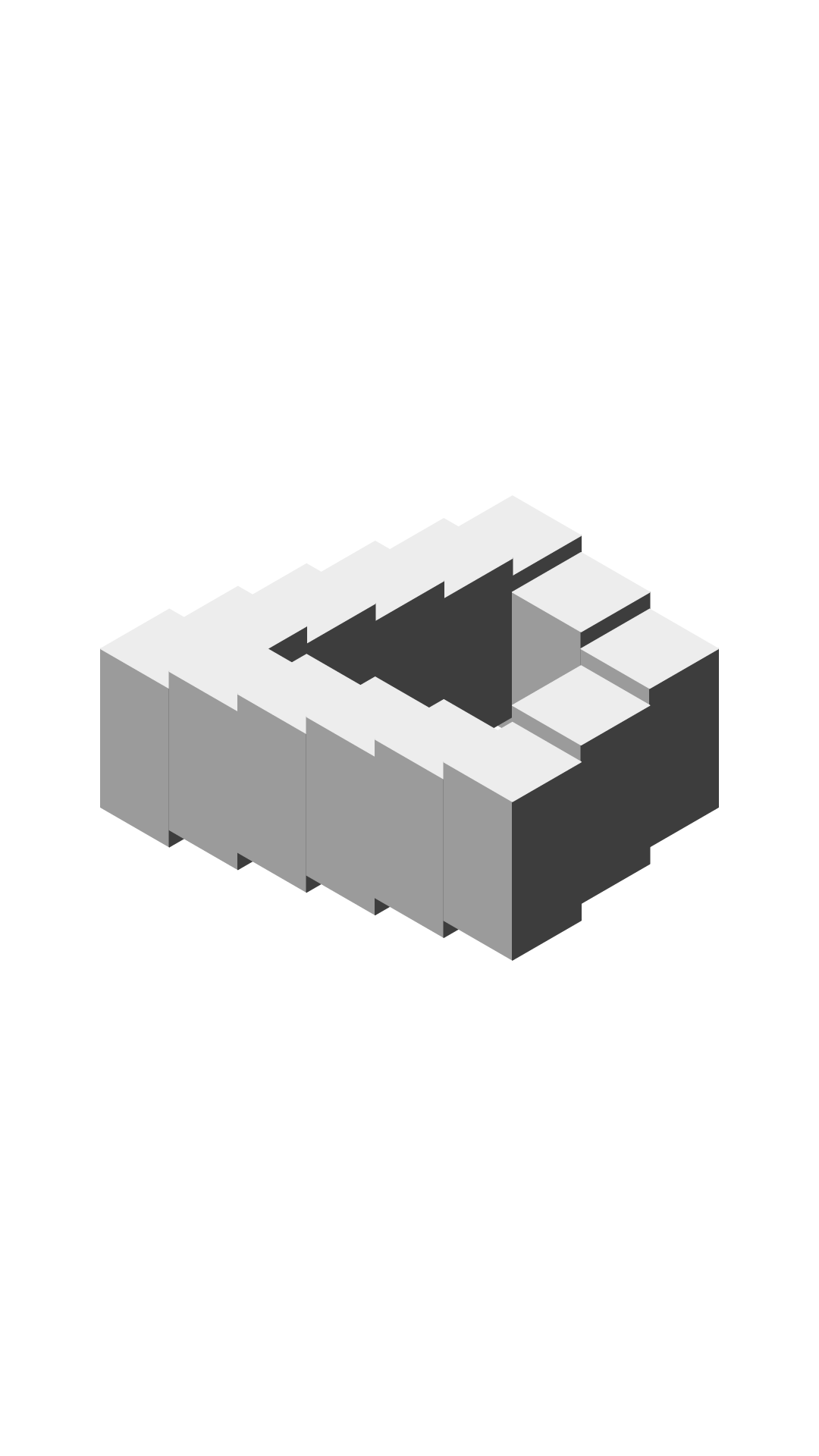
Penrose Stairs — 2026, generated SVG, dimensions variable · Ambiguity · Still
After Lionel & Roger Penrose, 1958
Where do you end up after one lap?
Where do you end up after one lap?
Share
Reveal the answer
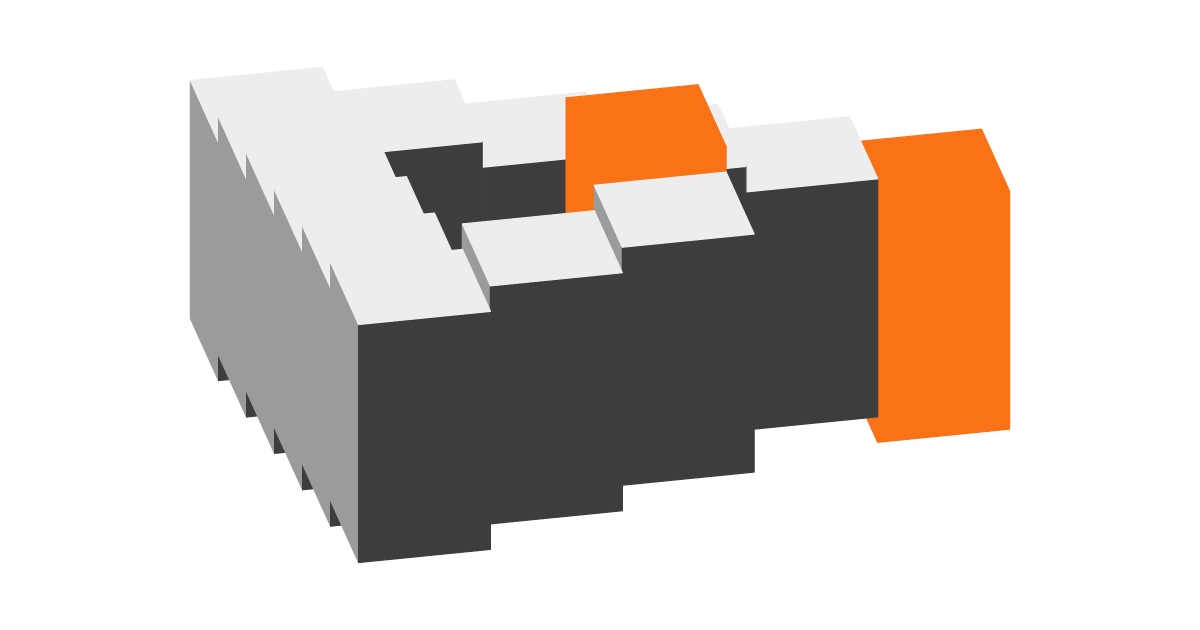
No. The last step stops far above the first; one viewpoint hides the gap.
↑ The mechanism, made visible.

Notes — why it looks that way
What is happening
A staircase seems to run around the top of a square block. Pick any step and follow it clockwise. You go up one step at a time, yet after four corners you are back at the step you started from. If the picture were true, you could climb forever without getting any higher.
Why it looks this way
This picture also shows a solid that can actually be built. Over one lap the steps rise little by little, and at the same time they drift sideways and backwards. When the rise and the drift are exactly the same size, the step after one lap lands in exactly the same spot as the first step — but only when seen from one direction, diagonally from above.
A flat picture does not record how far back something is. If a higher, nearer step and a lower, farther step land in the same place, we take them to be the same step. Every pair of neighbouring steps looks right, which makes the contradiction in the loop as a whole hard to notice.
How to check
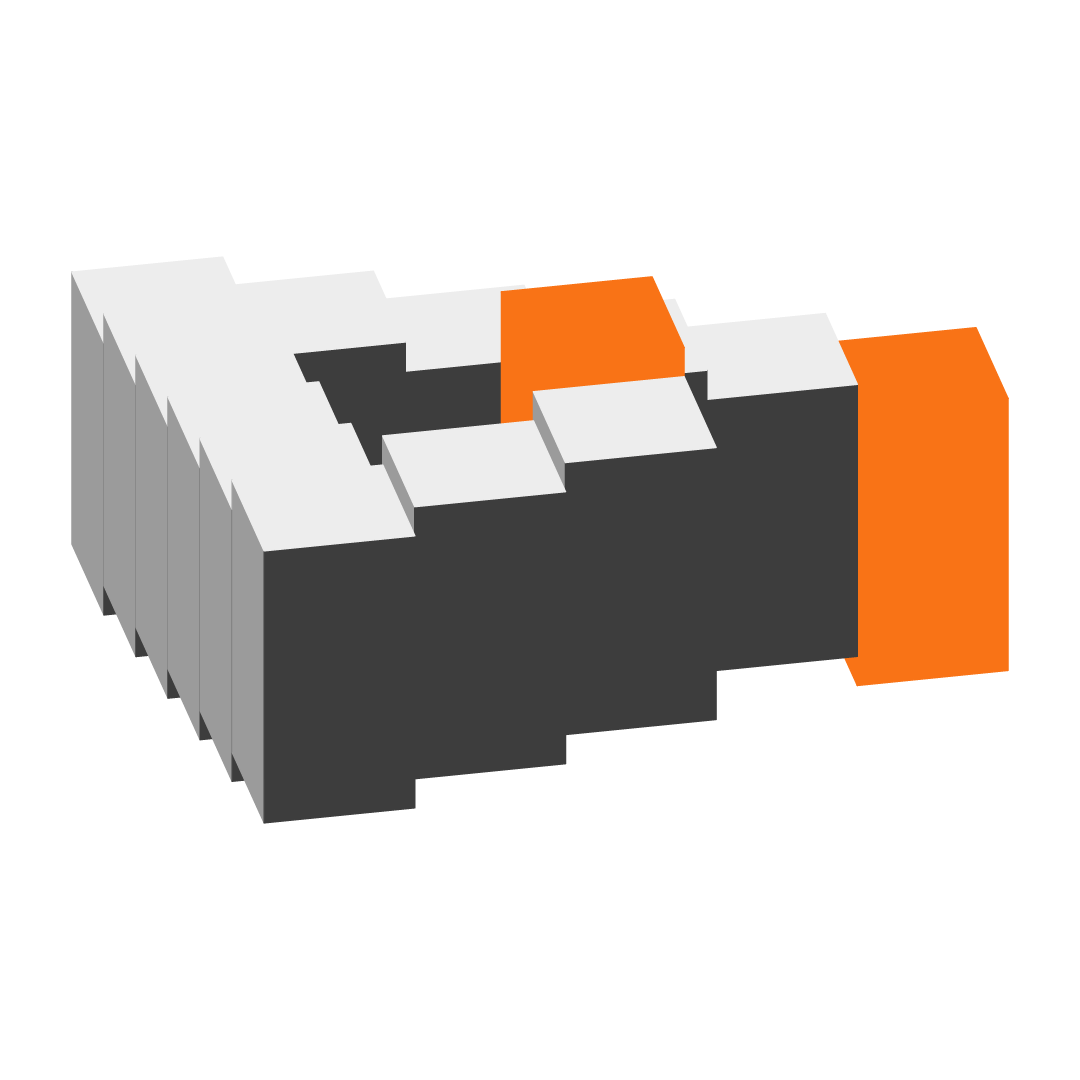
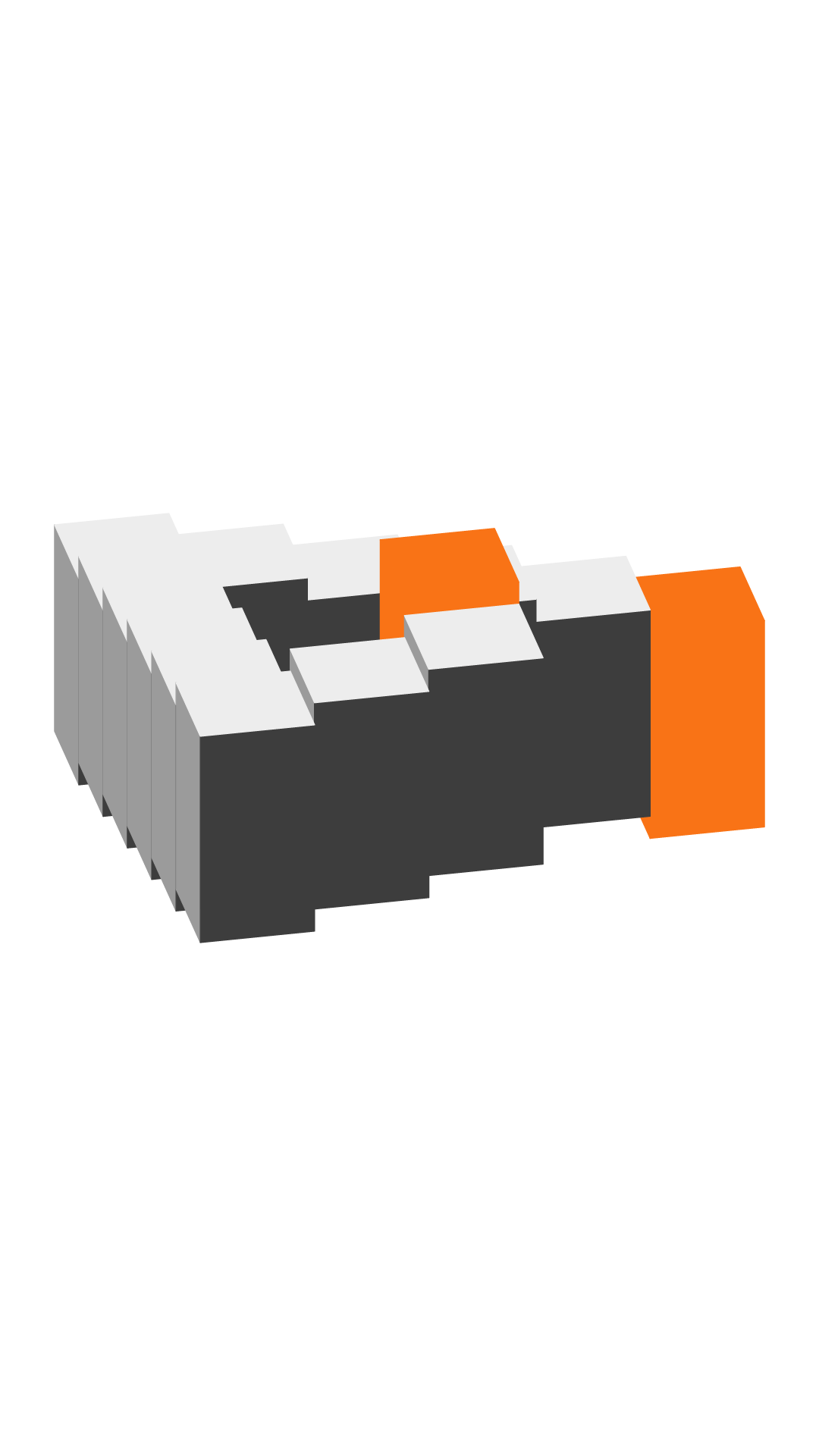
The answer view turns the same staircase sideways. The two columns painted orange are the first and last steps that seemed to join in the normal view. Turned, the last step stops far above the first one. Compare it with the triangle drawn by the same trick.
For reference: Penrose stairs (Wikipedia). The figure here is an original implementation.
First described
After Lionel & Roger Penrose, 1958
A geneticist father and mathematician son introduced it with the triangle in their 1958 paper. It inspired Escher’s print Ascending and Descending (1960).

Media — images and data
- OG / X (1200×630)
- Instagram square (1080×1080)
- Shorts / Reels vertical (1080×1920)
- Answer image — landscape (X)
- Answer image — square (Instagram)
- Answer image — vertical (Shorts)
- Post drafts (JSON)
Free to use for non-commercial purposes such as classes, school projects and blogs, with a link back to this page as the credit. Commercial use is not covered
Every figure is generated here from the phenomenon itself (re-implemented). Step layout and paint order designed from scratch and rendered as SVG. No existing figure or code is reproduced.