Necker Cube
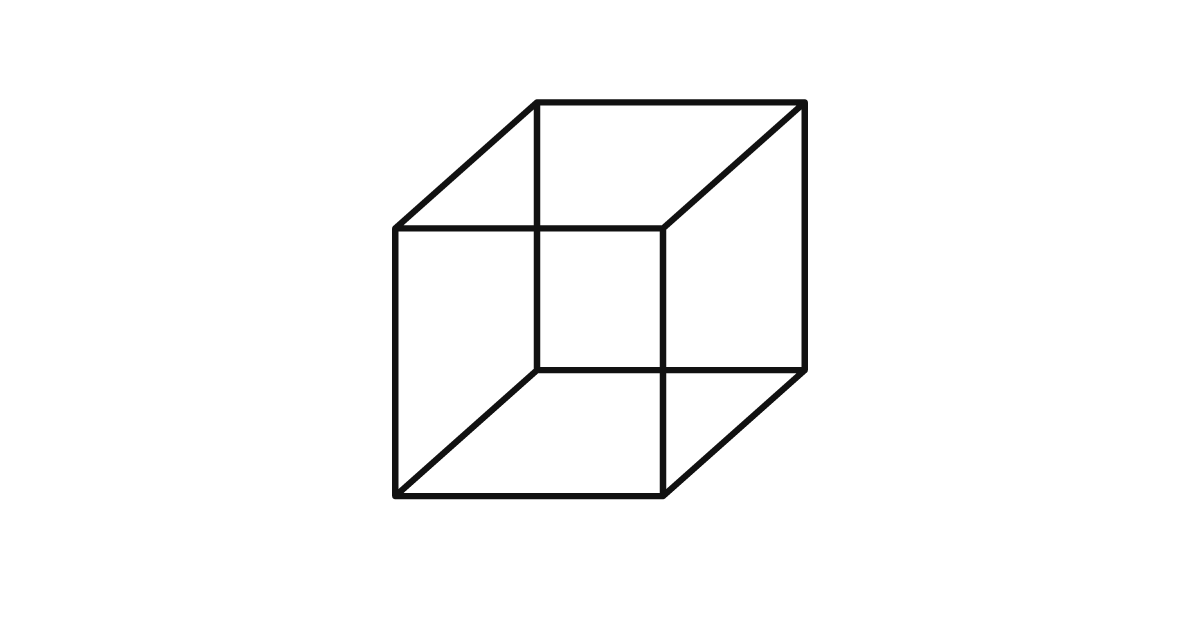
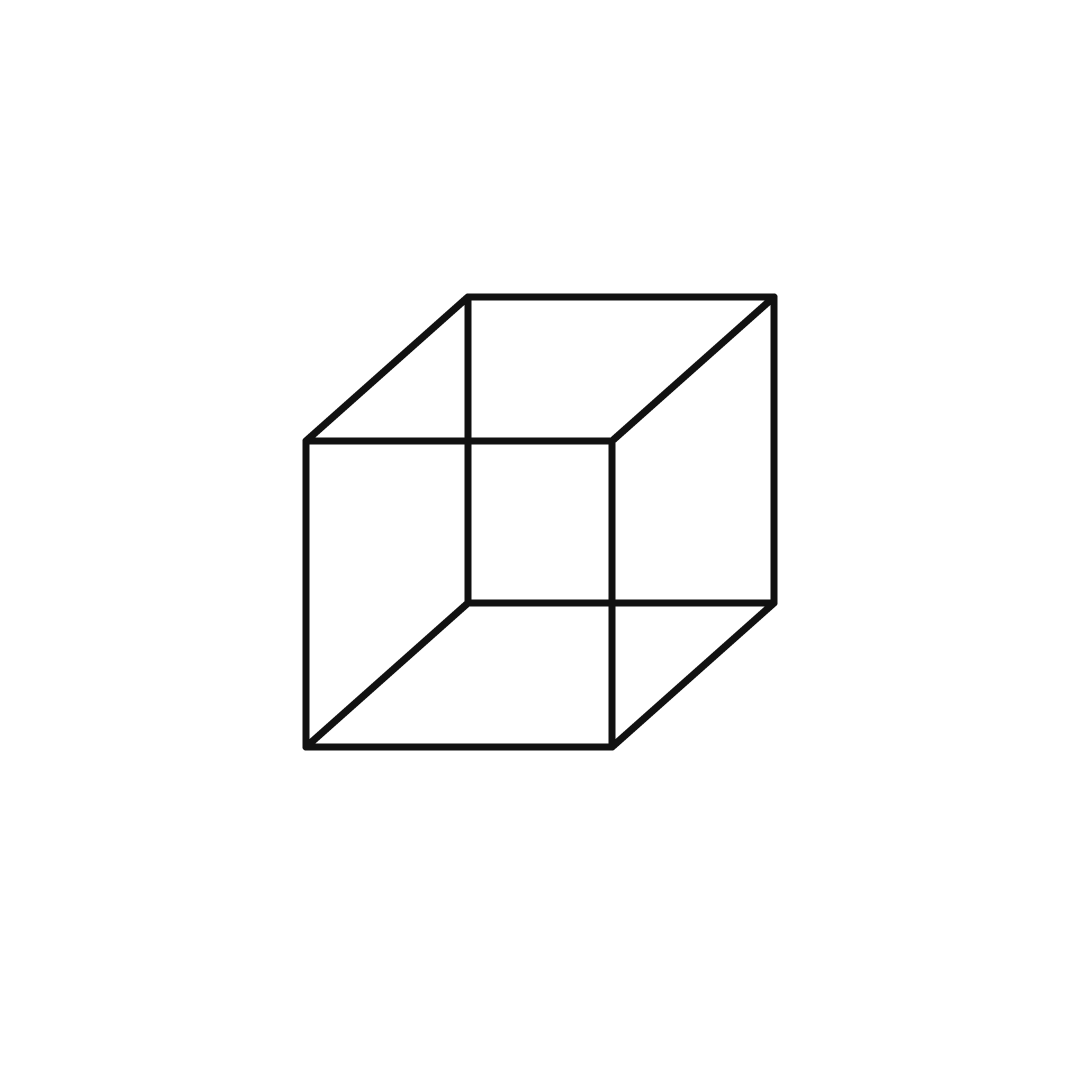
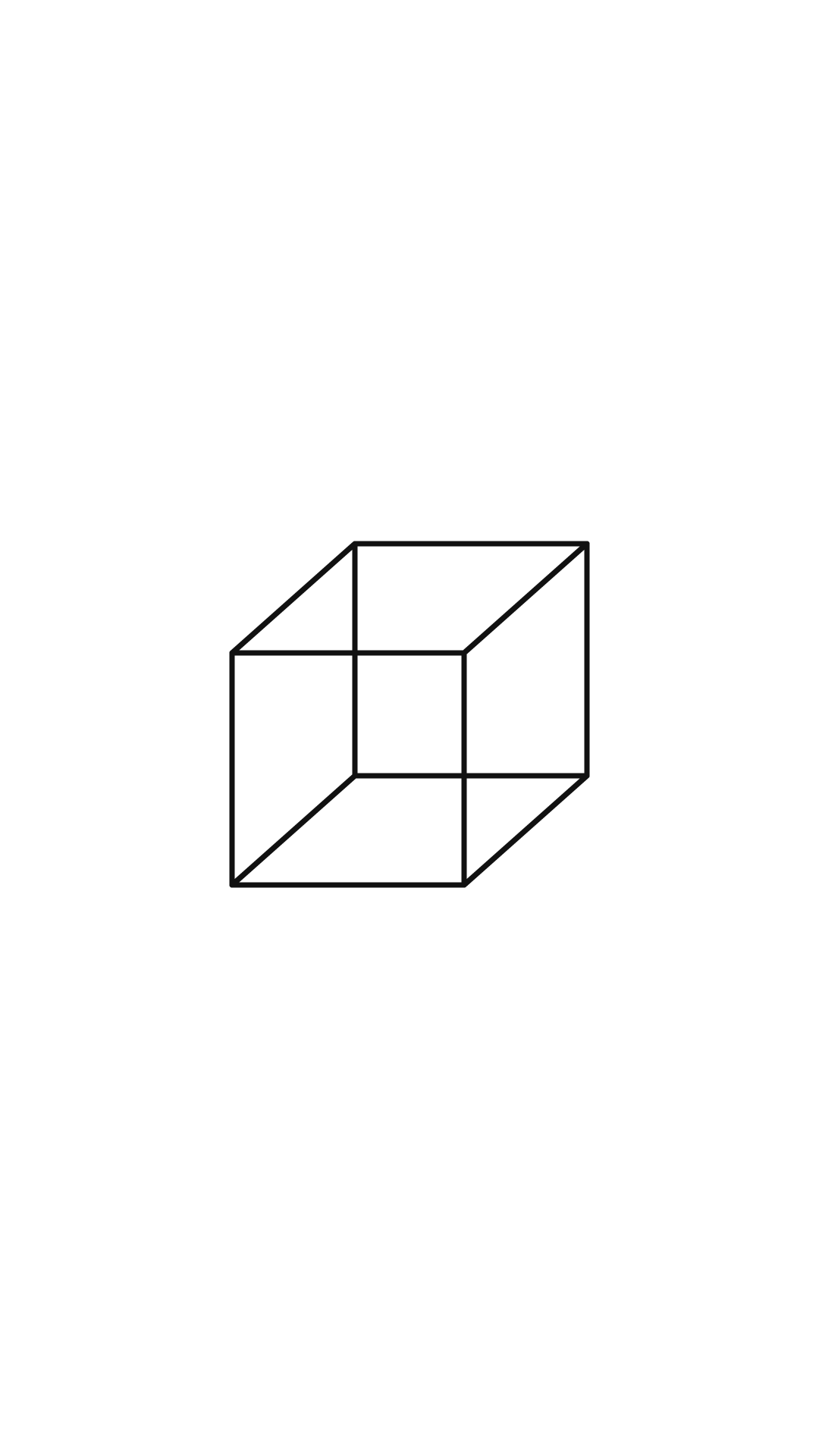
Necker Cube — 2026, generated SVG, dimensions variable · Rotation · Still
After Louis Albert Necker, 1832
Which face is in front?
Which face looks closer to you?
Share
Reveal the answer
The depth is not fixed — it can be read either of two ways.
↑ The mechanism, made visible.
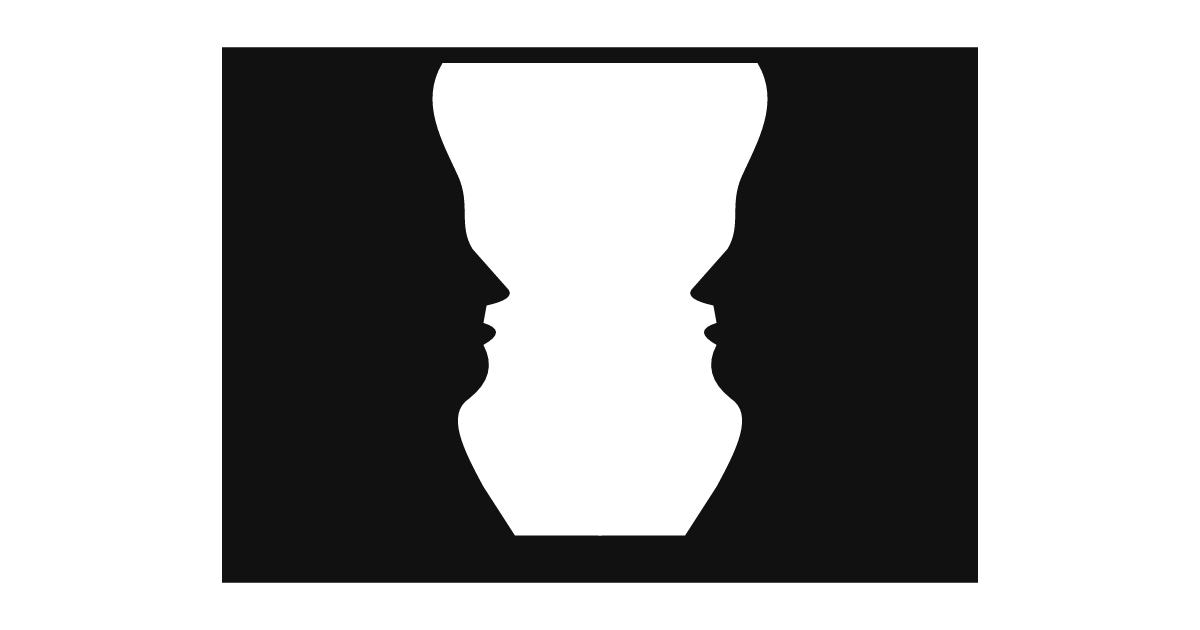
Notes — why it looks that way
What is happening
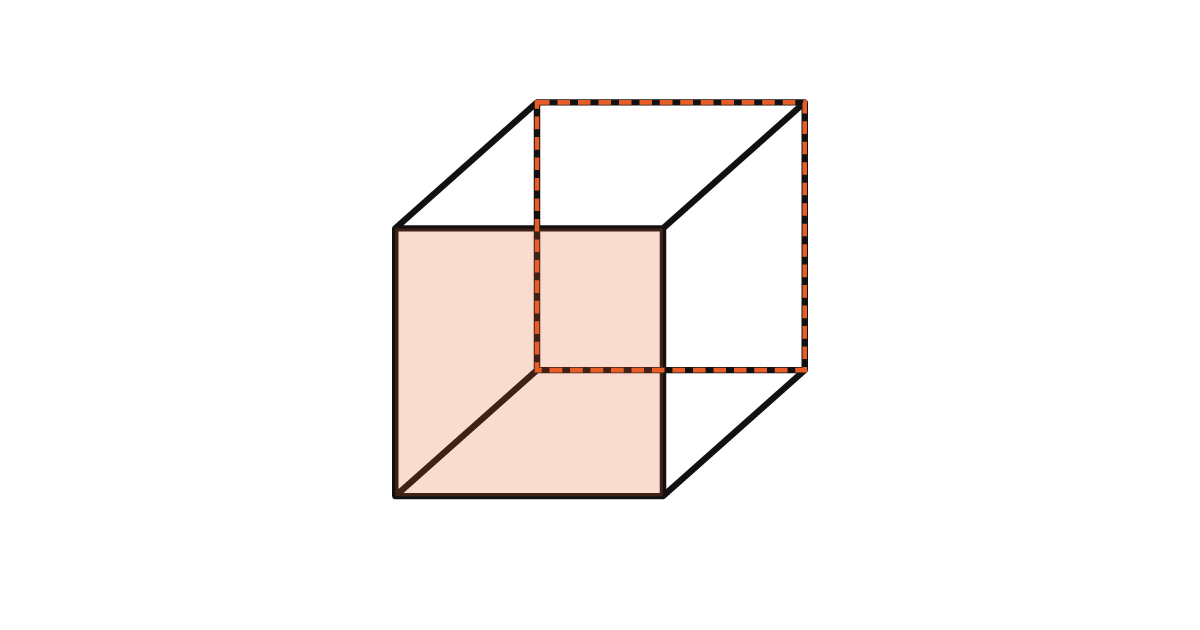
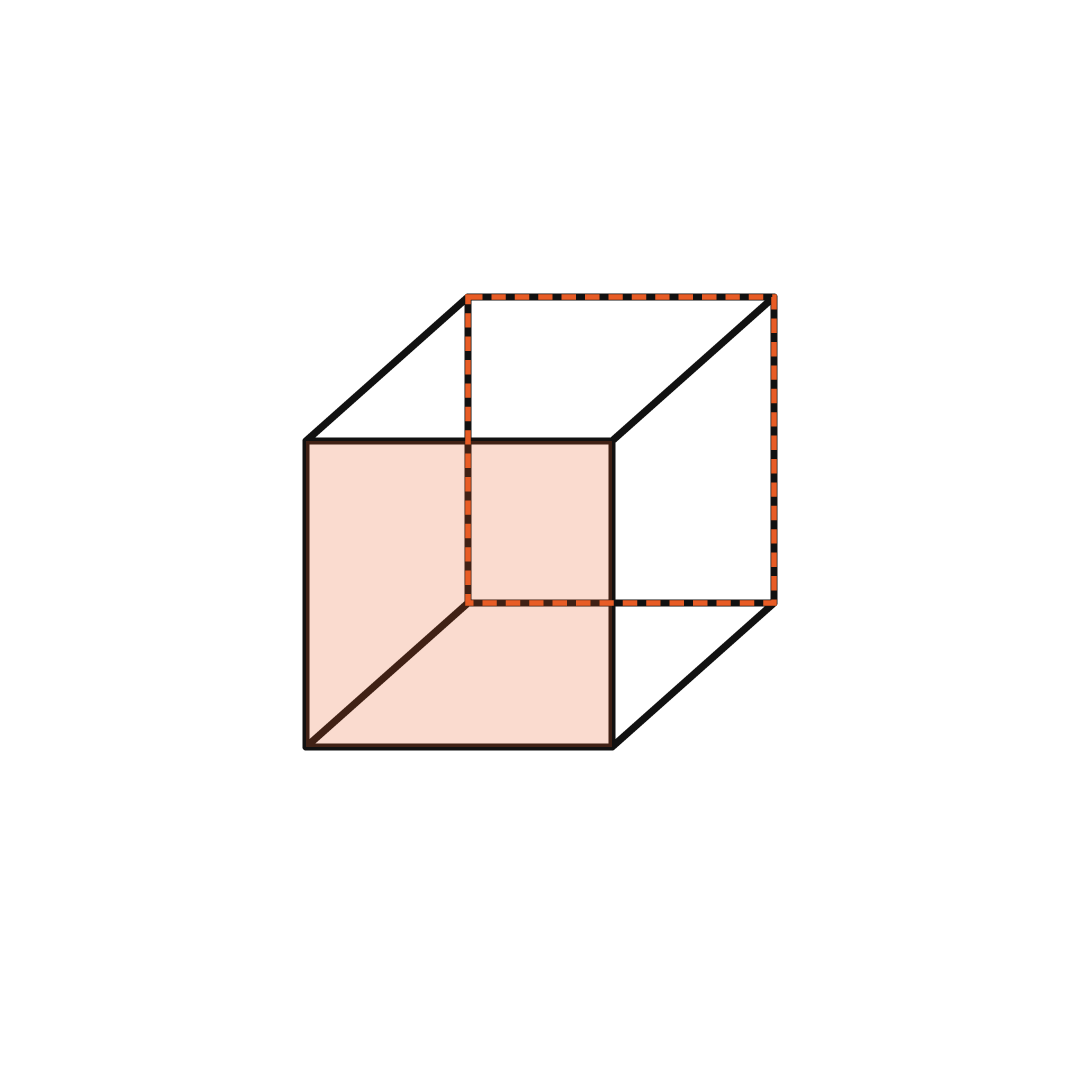
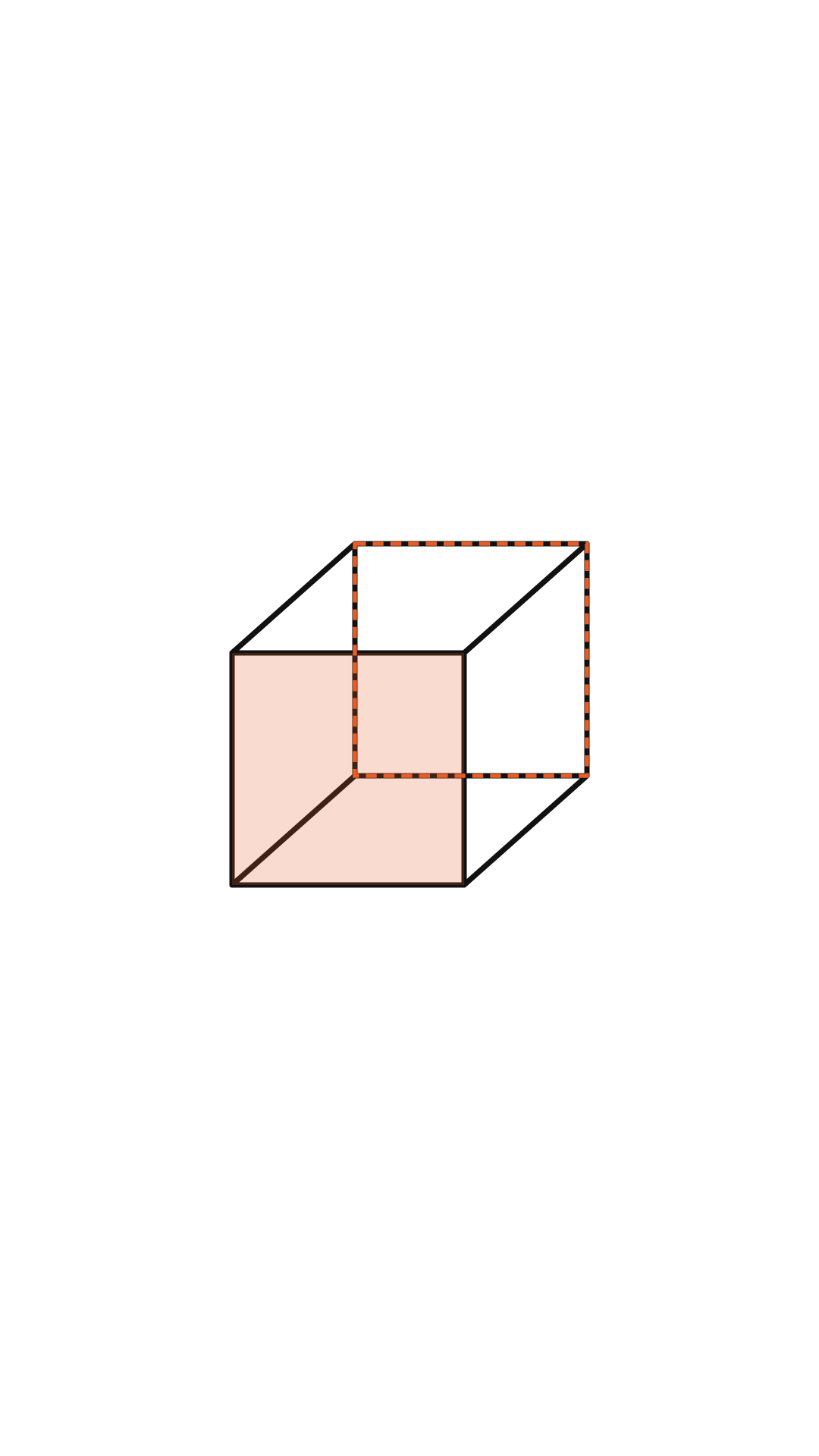
First try seeing the square face at the bottom left as facing toward you. Then try reading the square face at the top right as the near one instead. Holding both readings clearly at once may be difficult. There is no right or wrong answer if it doesn’t flip right away.
Why it looks that way
When reading depth from a line drawing, there isn’t enough information to decide which face is closer. The same network of lines supports more than one three-dimensional interpretation, so what you see can flip depending on where your attention goes. The figure itself never actually reverses.
How to check
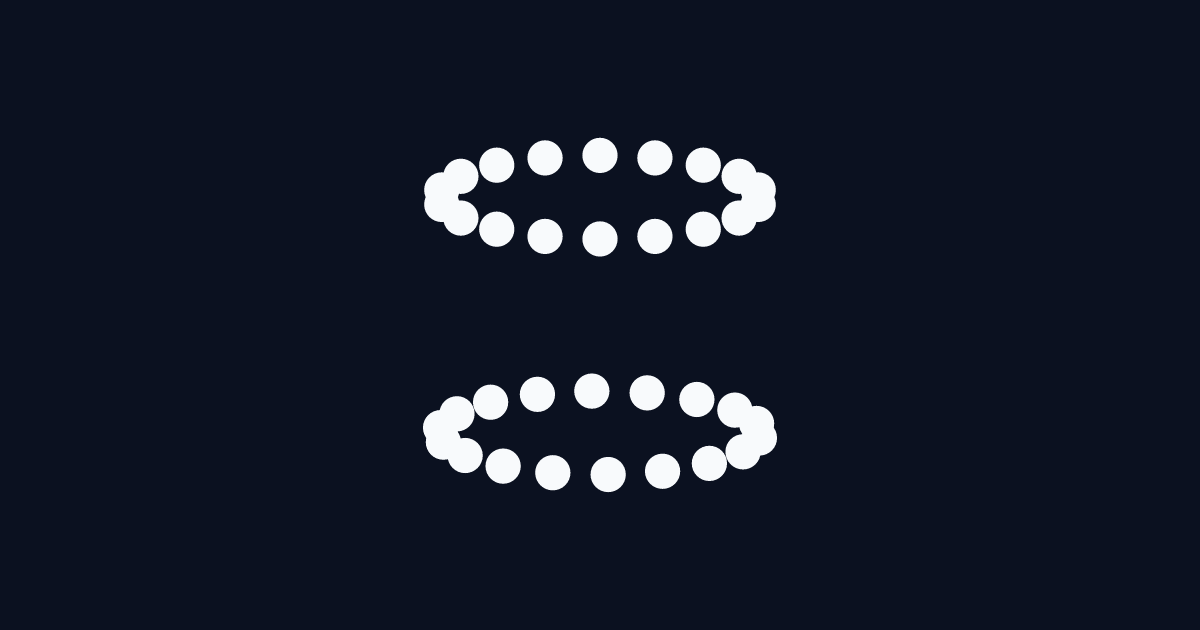
Revealing the answer distinguishes the candidate faces by color and dotted lines. The coloring is there to help support one reading — it is not the single correct answer to the original figure. The rotating ring of dots is another figure that similarly lacks depth information, letting you compare the difference between a still image and one in motion.
For reference: explanation and research. The figure here is an original implementation.
First described
After Louis Albert Necker, 1832
Necker was drawing a crystal figure when he noticed its depth spontaneously flipped.
Media — images and data
- OG / X (1200×630)
- Instagram square (1080×1080)
- Shorts / Reels vertical (1080×1920)
- Answer image — landscape (X)
- Answer image — square (Instagram)
- Answer image — vertical (Shorts)
- Post drafts (JSON)
Free to use for non-commercial purposes such as classes, school projects and blogs, with a link back to this page as the credit. Commercial use is not covered
Every figure is generated here from the phenomenon itself (re-implemented). The general phenomenon's principle is re-implemented here as SVG. No existing figure or code is reproduced.