Impossible Trident (Devil's Fork)
Impossible Trident — 2026, generated SVG, dimensions variable · Ambiguity · Still
After unknown
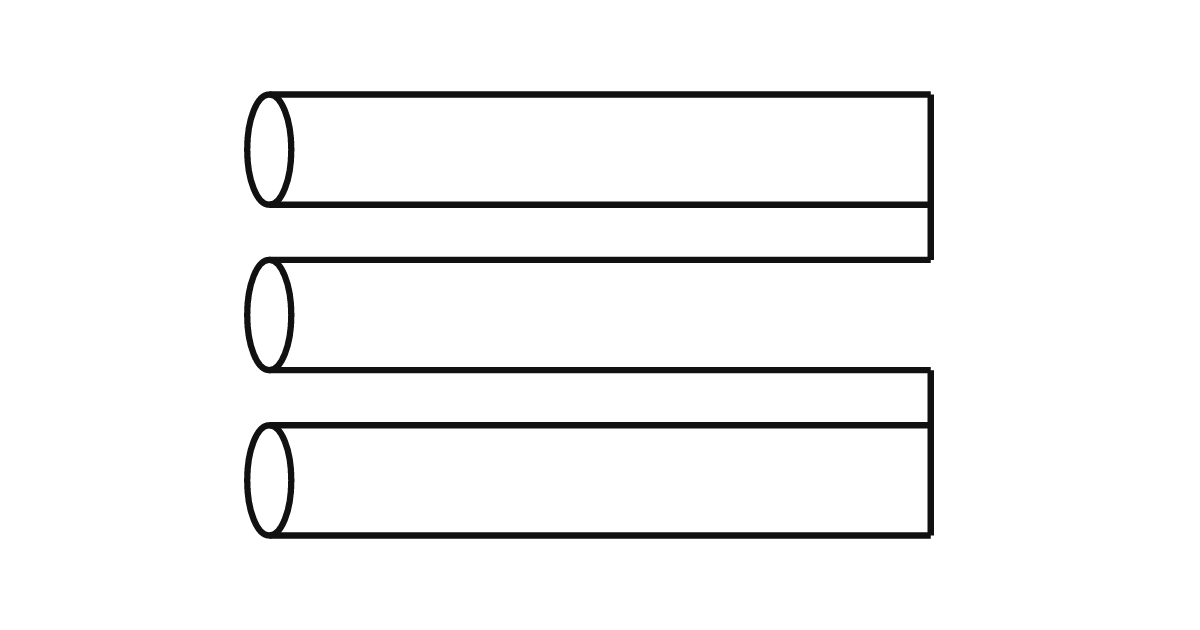
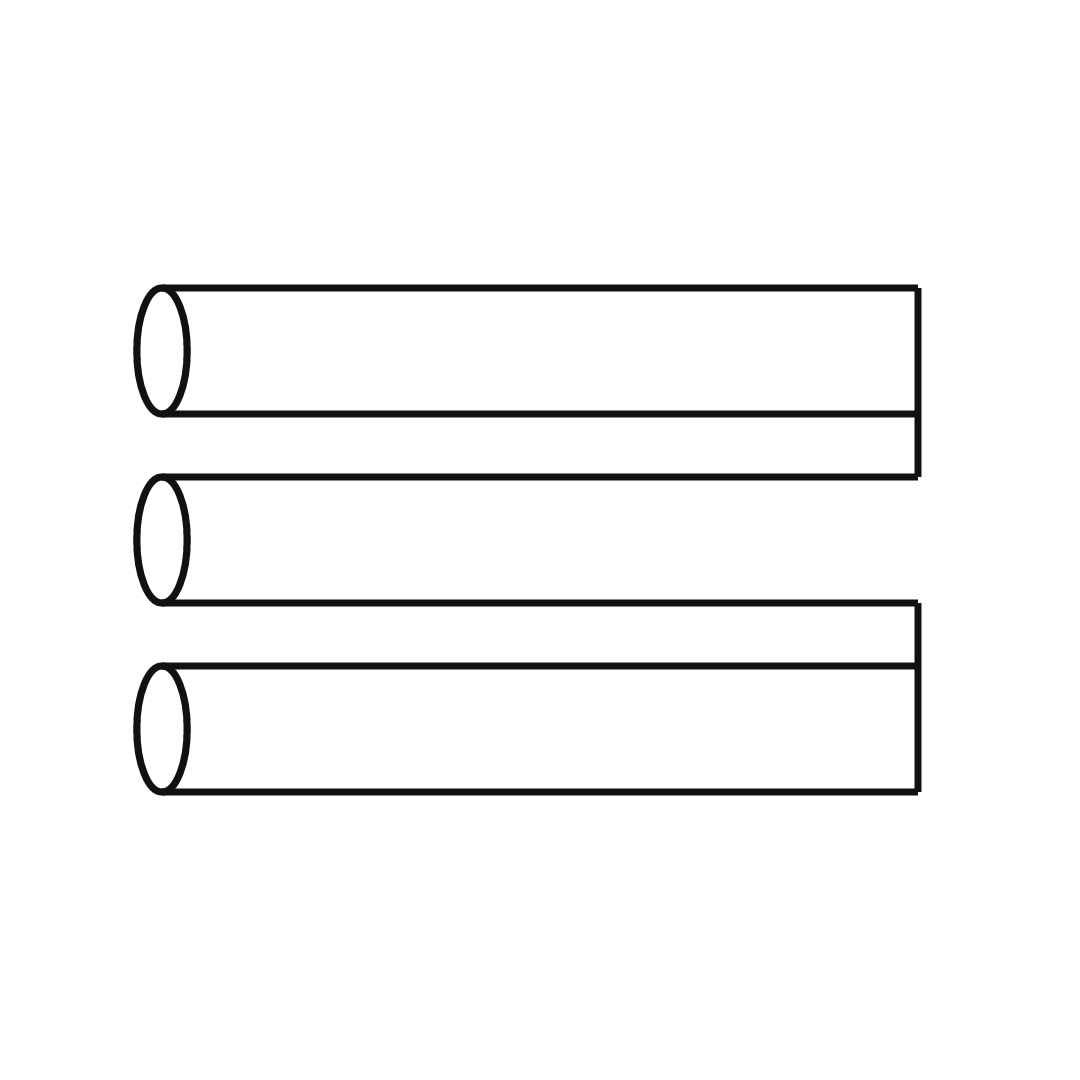
Three rods or two — which end is lying?
Three rods or two — which end is lying?
Share
Reveal the answer
Neither. Both ends are valid alone, but the middle never shows the join.
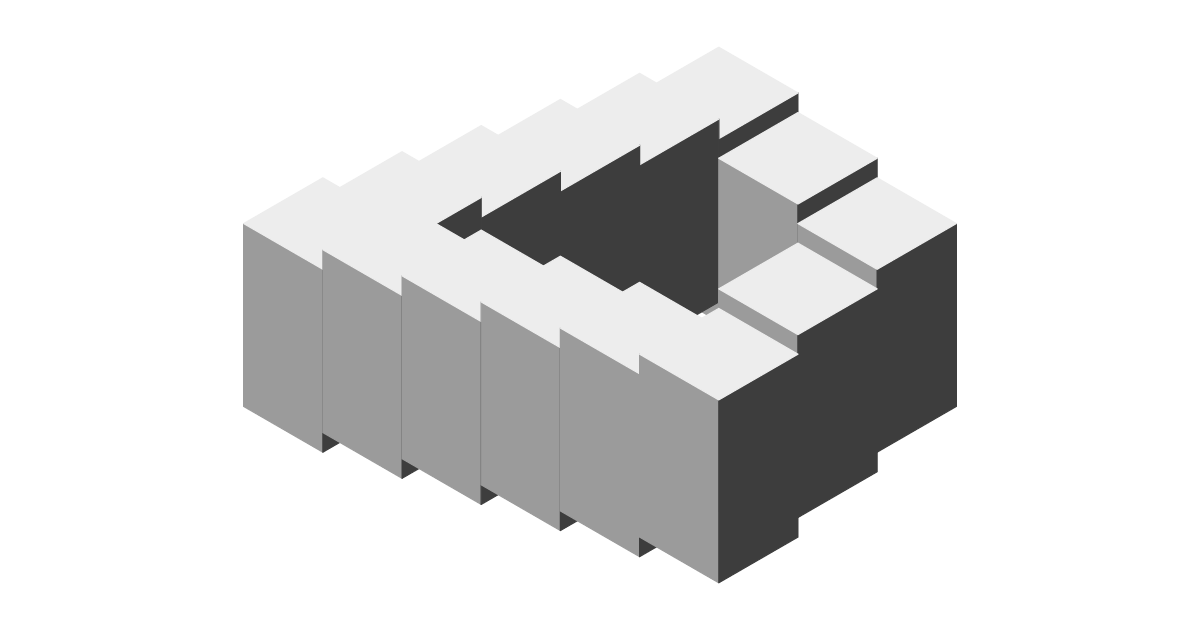
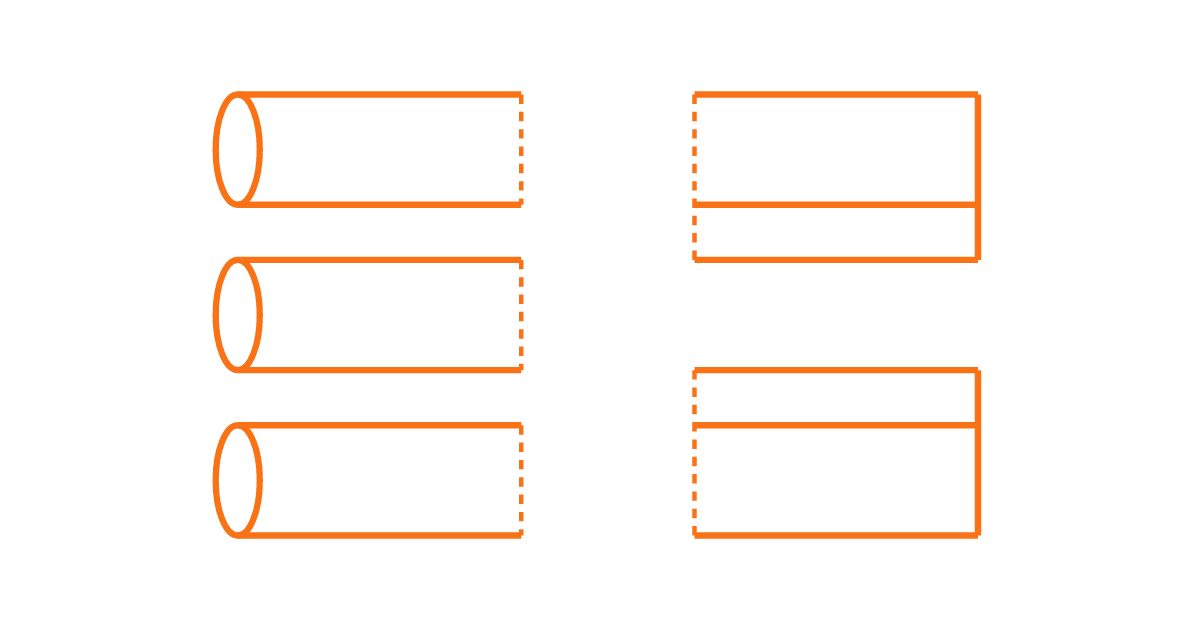
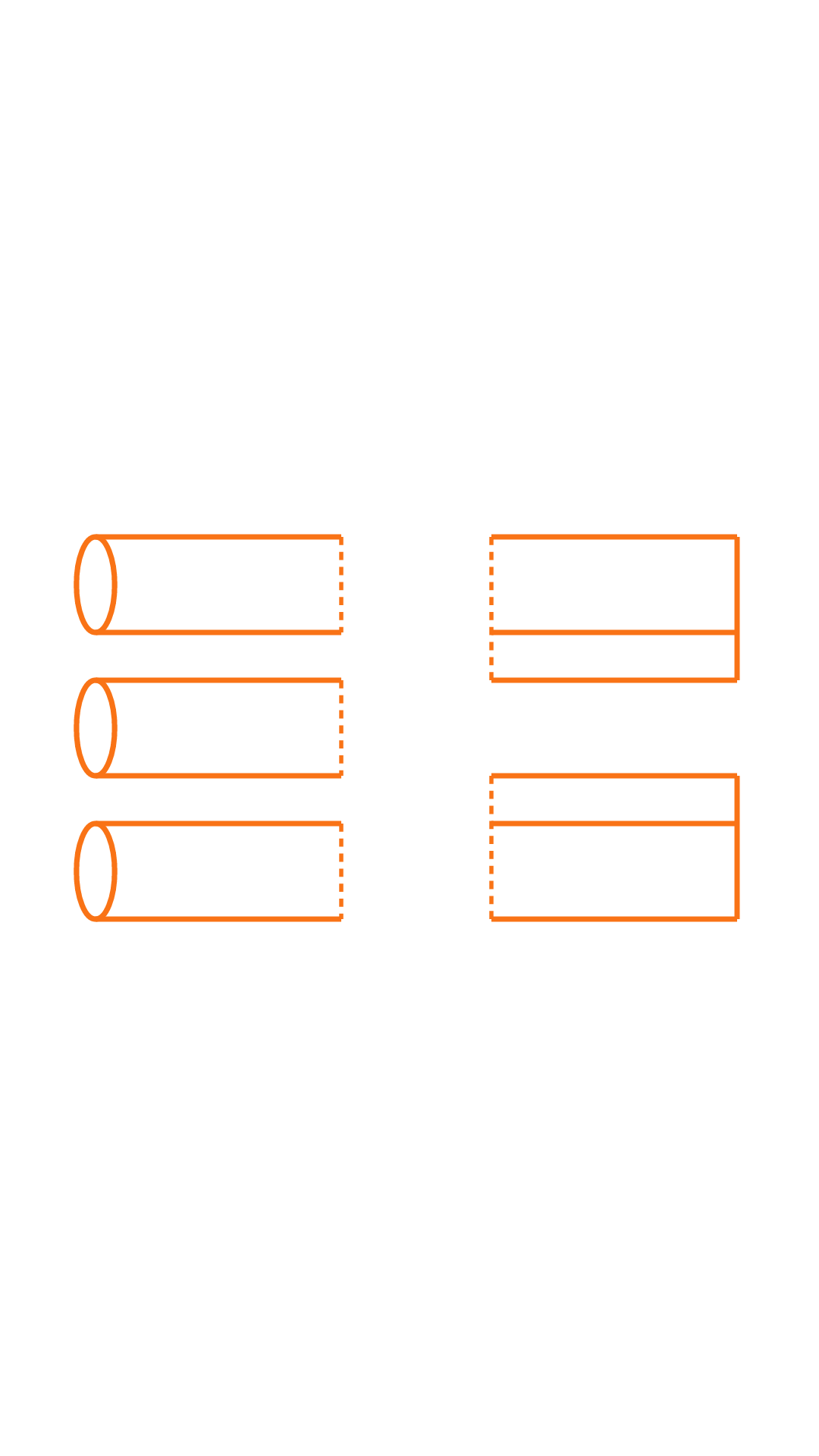
↑ The mechanism, made visible.
Notes — why it looks that way
What is happening
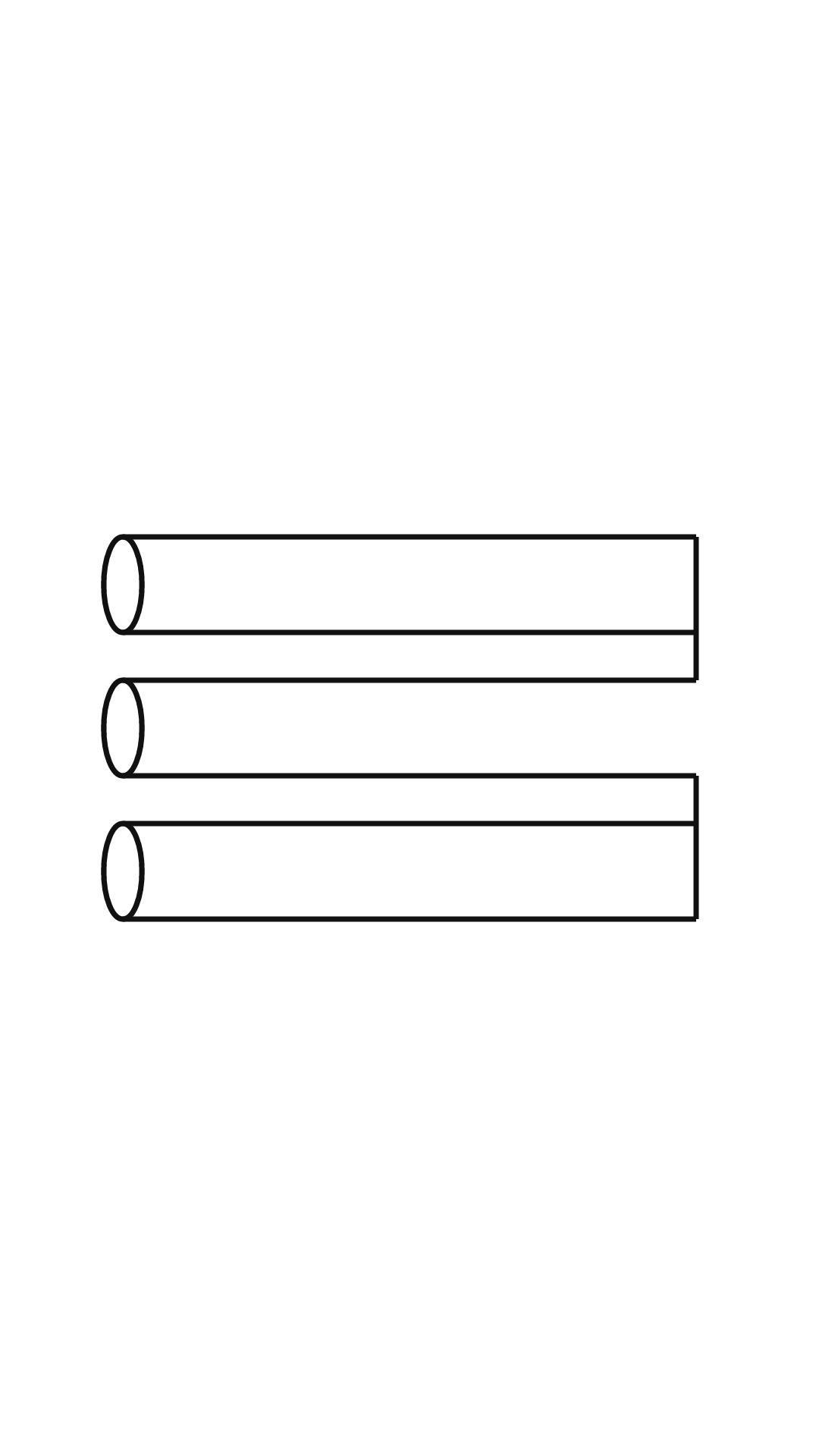
Look at one bar-shaped figure: the left end looks like three round-tipped cylinders side by side, and the right end looks like two square bars side by side. Either end on its own looks perfectly ordinary. Yet it is supposed to be the same single object, and three rods on one side become two on the other.
Why it looks this way
The whole drawing is just six horizontal lines. At the left end, every other band closes into a rod with a round tip (an ellipse); the bands in between are left open, with nothing drawn, so they read as gaps. At the right end it flips: a band that was a gap on the left closes into a square-tipped bar, while one of the bands that was a solid rod on the left becomes the open gap. Vision reads “how many rods” from whichever end it is looking at — round tips or closed square ends — and never checks how the same lines are read at the other end. Each end is locally correct; the contradiction only appears once you compare both at once.
How to check
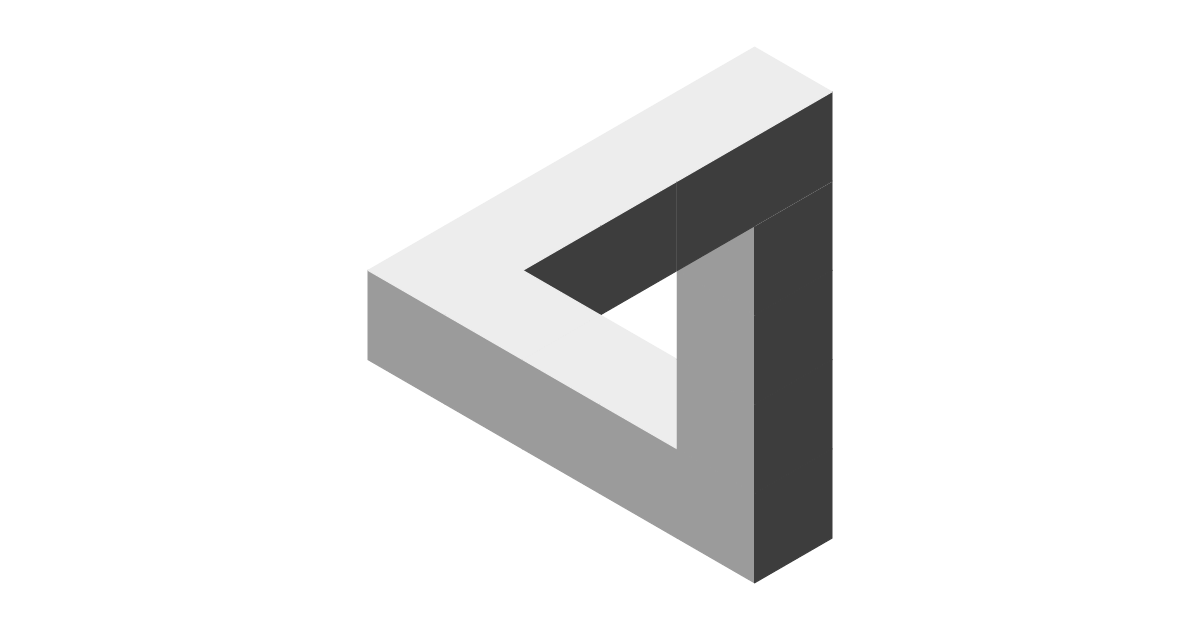
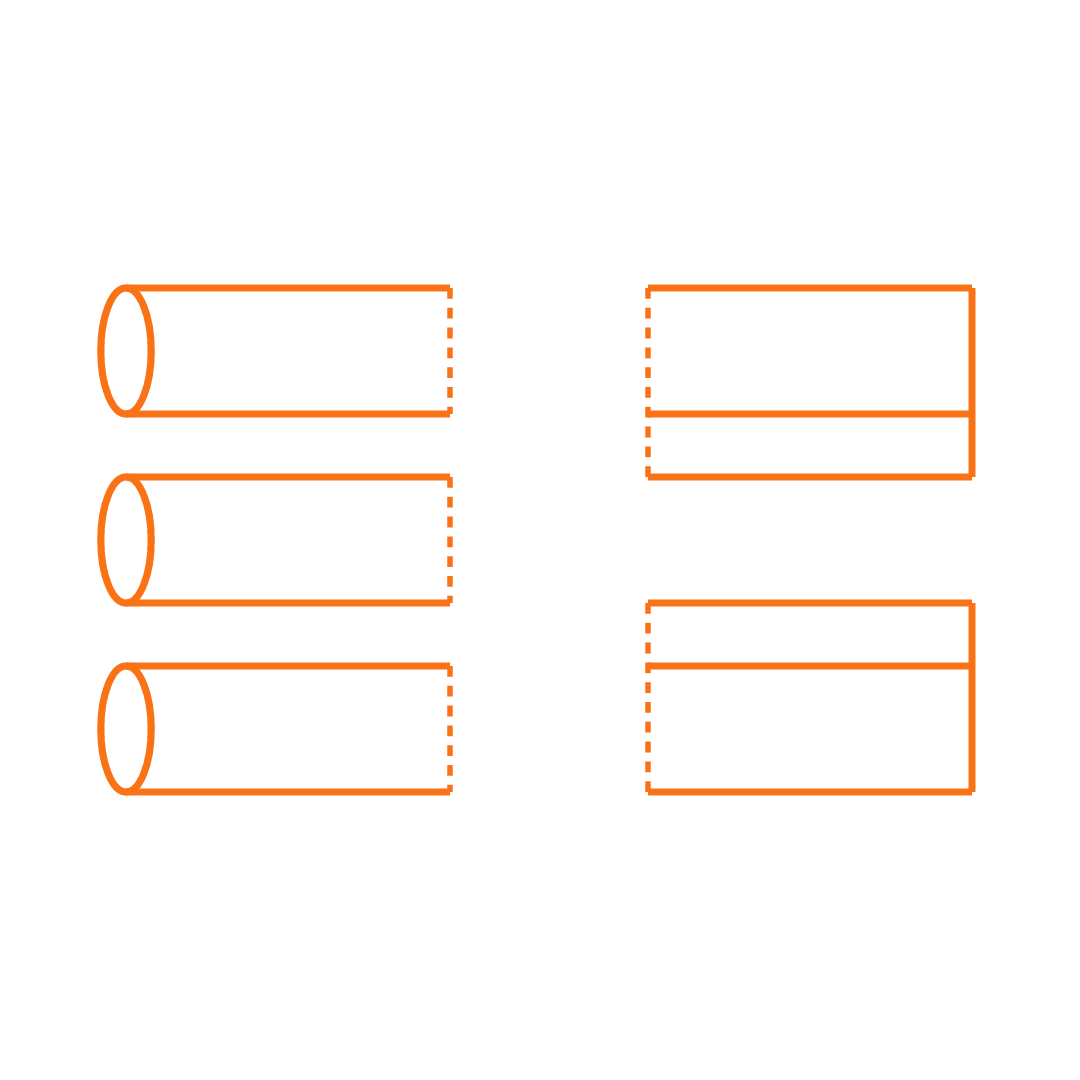
The answer view pulls the two ends apart into two separate, independent solids. The left one is three cylinders, each closed and rounded at both ends; the right one is two bars, each closed and square at both ends. Neither has anything wrong with it alone. The contradiction exists only in the claim that they are one continuous object. Try the Penrose triangle too — a different mechanism, same kind of impossible figure.
For reference: Impossible trident / blivet (Wikipedia). The figure here is an original implementation.
First described
After unknown
Widely known from a 1964 Norman Mingo cover for MAD magazine; no single inventor is firmly established.
Media — images and data
- OG / X (1200×630)
- Instagram square (1080×1080)
- Shorts / Reels vertical (1080×1920)
- Answer image — landscape (X)
- Answer image — square (Instagram)
- Answer image — vertical (Shorts)
- Post drafts (JSON)
Free to use for non-commercial purposes such as classes, school projects and blogs, with a link back to this page as the credit. Commercial use is not covered
Every figure is generated here from the phenomenon itself (re-implemented). Silhouette and groove layout designed from scratch and rendered as SVG. No existing figure or code is reproduced.