Square and Diamond
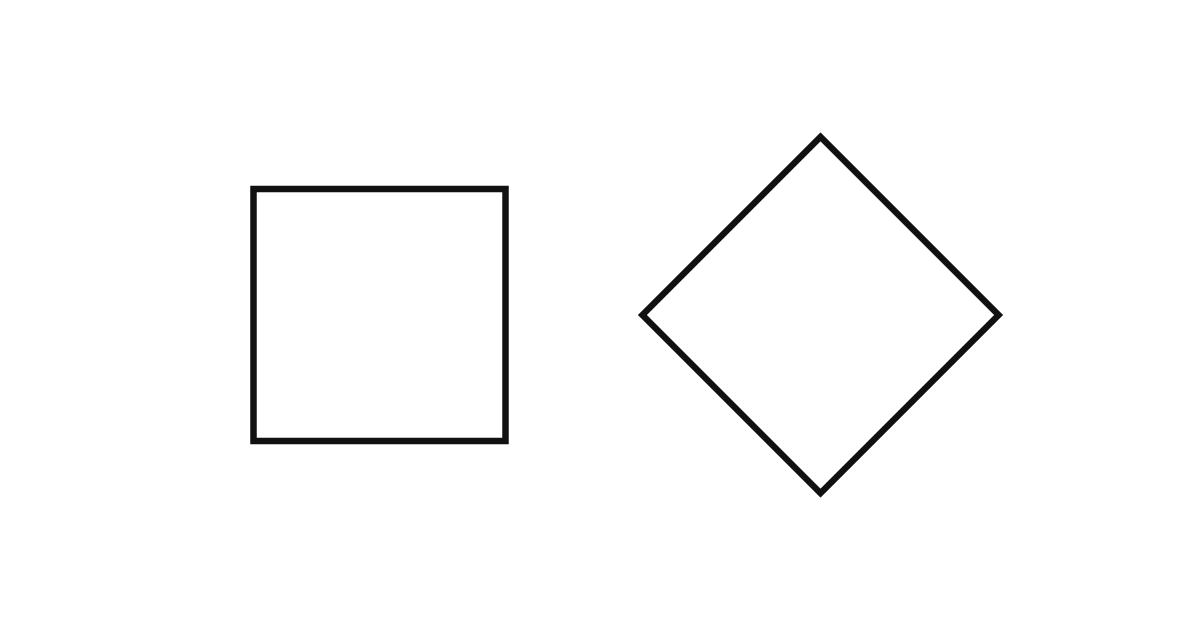
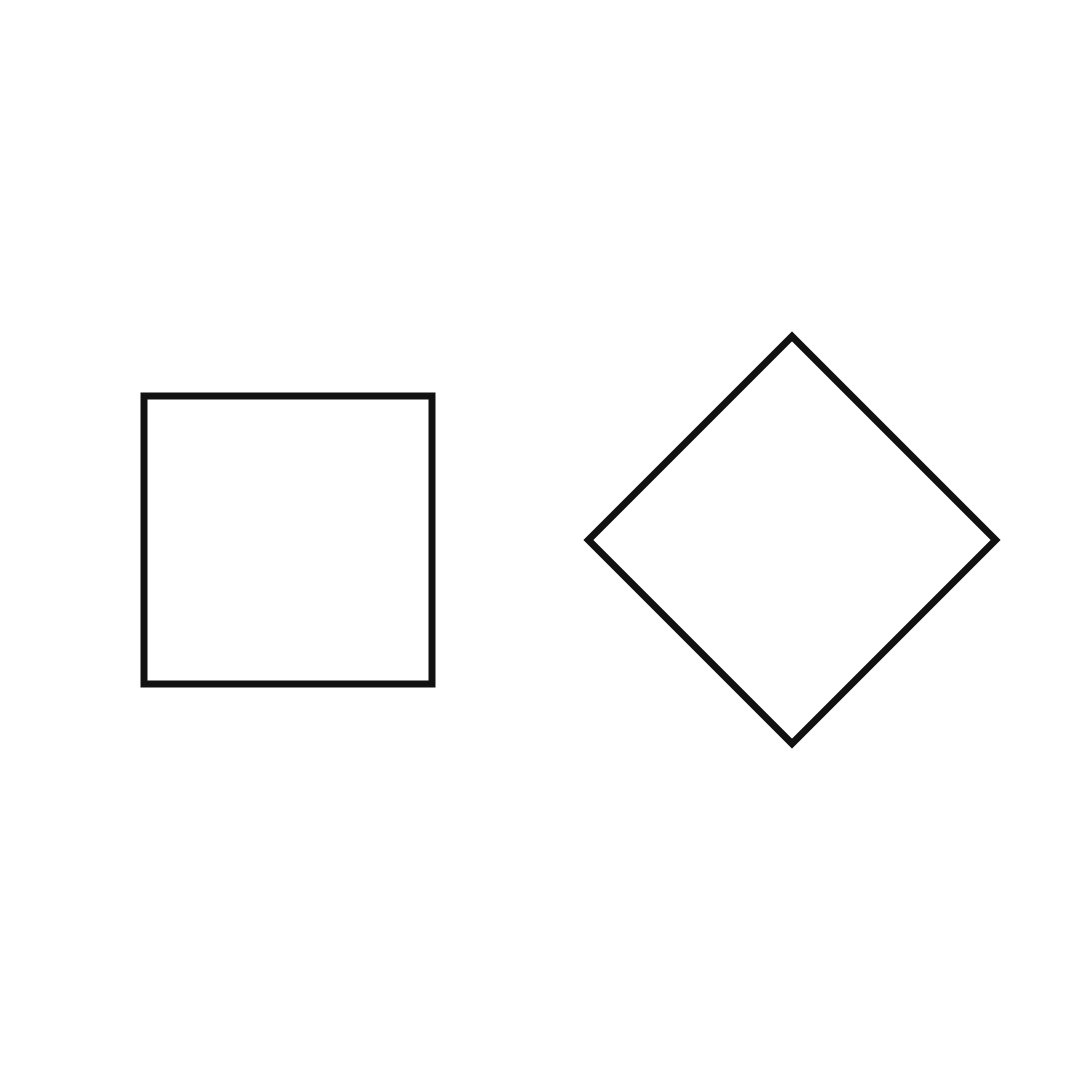
Square and Diamond — 2026, generated SVG, dimensions variable · Geometry · Still
After Ernst Mach, 1886
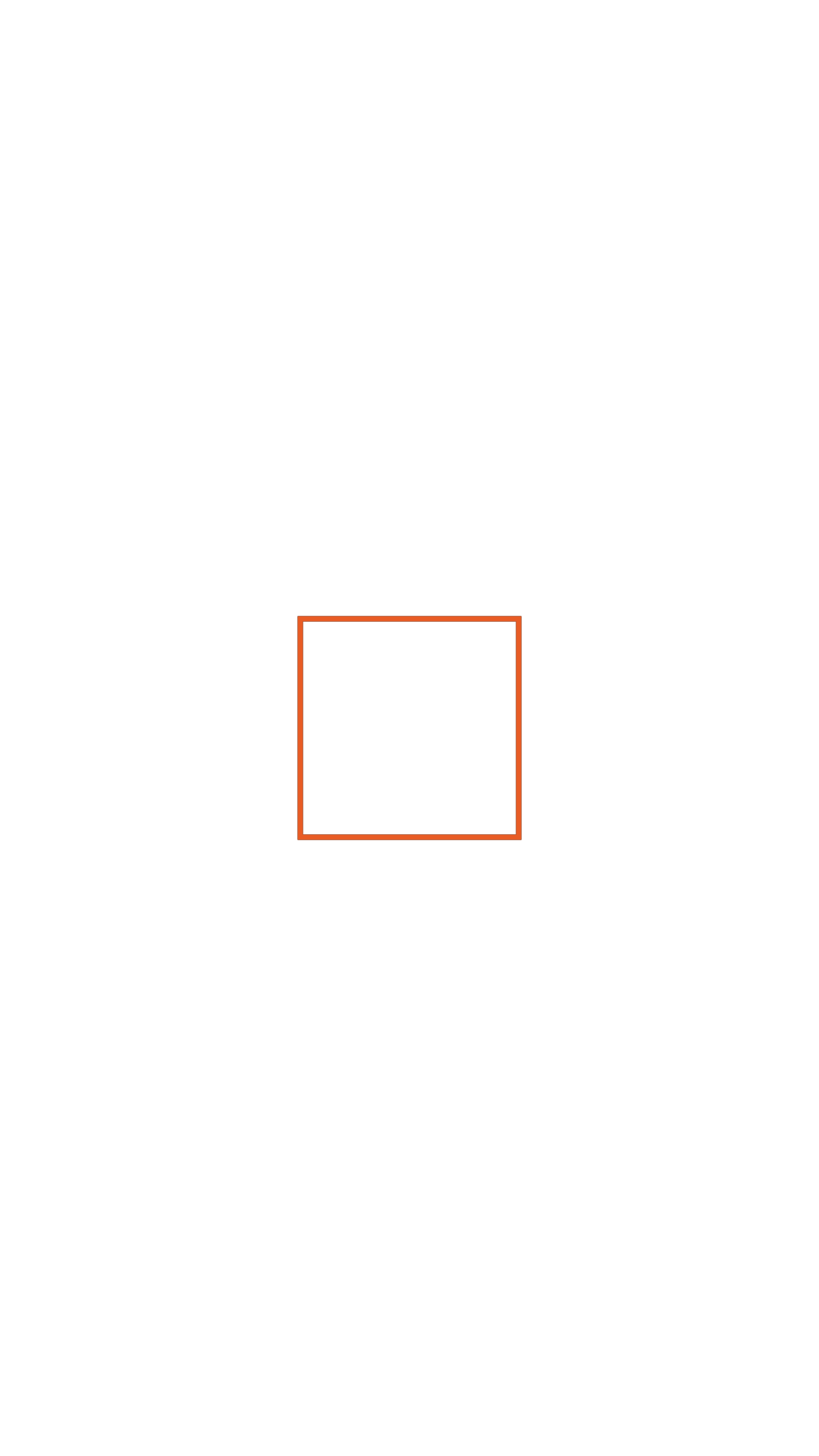
Which square is larger?
Which square is bigger?
Share
Reveal the answer
Both have the same side length and area — the right one is just rotated 45°.
↑ The mechanism, made visible.
Notes — why it looks that way
What is happening
Glance quickly at the two squares — does the right one feel bigger? The box that encloses the right figure, measured vertically and horizontally, is indeed wider. But what we’re comparing here is the shape’s own area and edges. Consider separately what “bigger” is measuring.
Why it looks that way
When estimating a shape’s size, more than just its area gets folded into the judgment — how far it spans up-down and left-right matters too. Rotating a square increases the width and height of its bounding box, while the side length and area stay unchanged. That difference feeds into the impression of size.
How to check
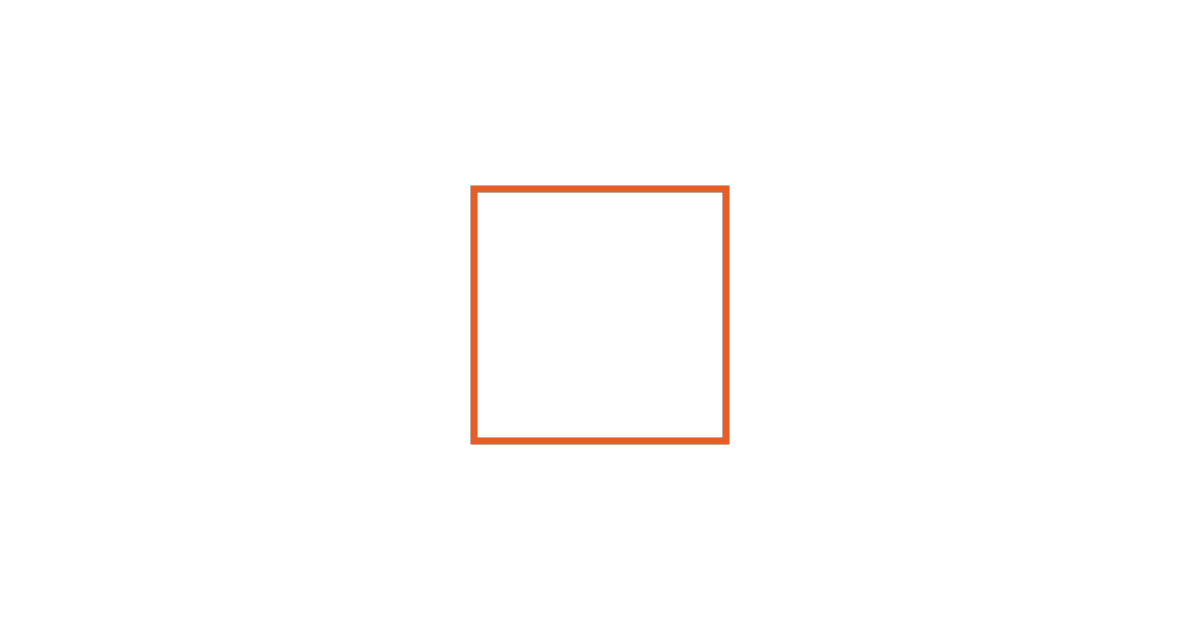
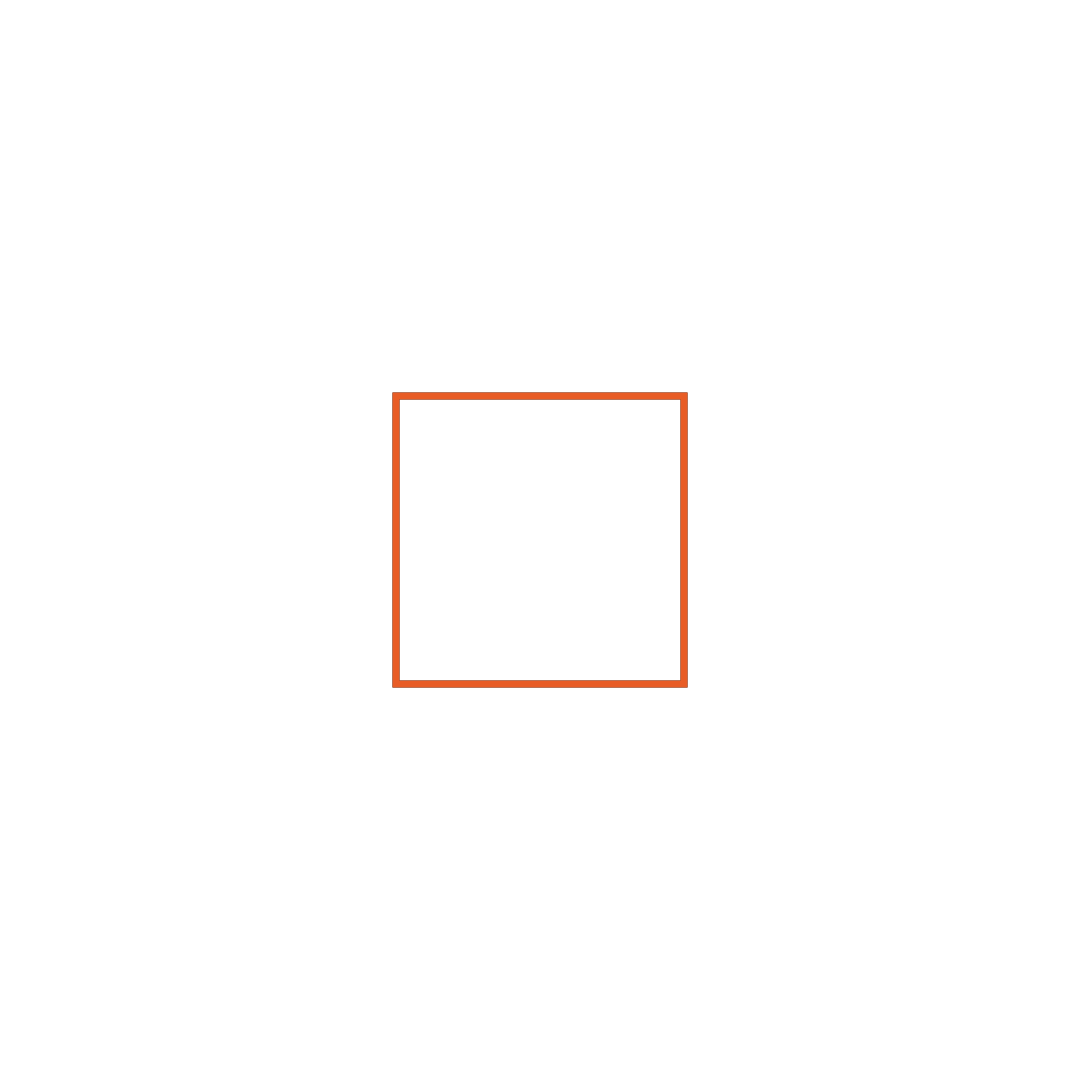
Revealing the answer rotates the right shape back to its original orientation and overlays it on the left one in the same spot. Their outlines line up exactly, showing neither has been scaled. The important part of this experiment is not treating the difference in apparent width as an illusion too.
For reference: explanation and research. The figure here is an original implementation.
First described
After Ernst Mach, 1886
Source: "Beiträge zur Analyse der Empfindungen" (Contributions to the Analysis of Sensations)
The observation that the same shape reads as a different one when rotated 45 degrees.

Media — images and data
- OG / X (1200×630)
- Instagram square (1080×1080)
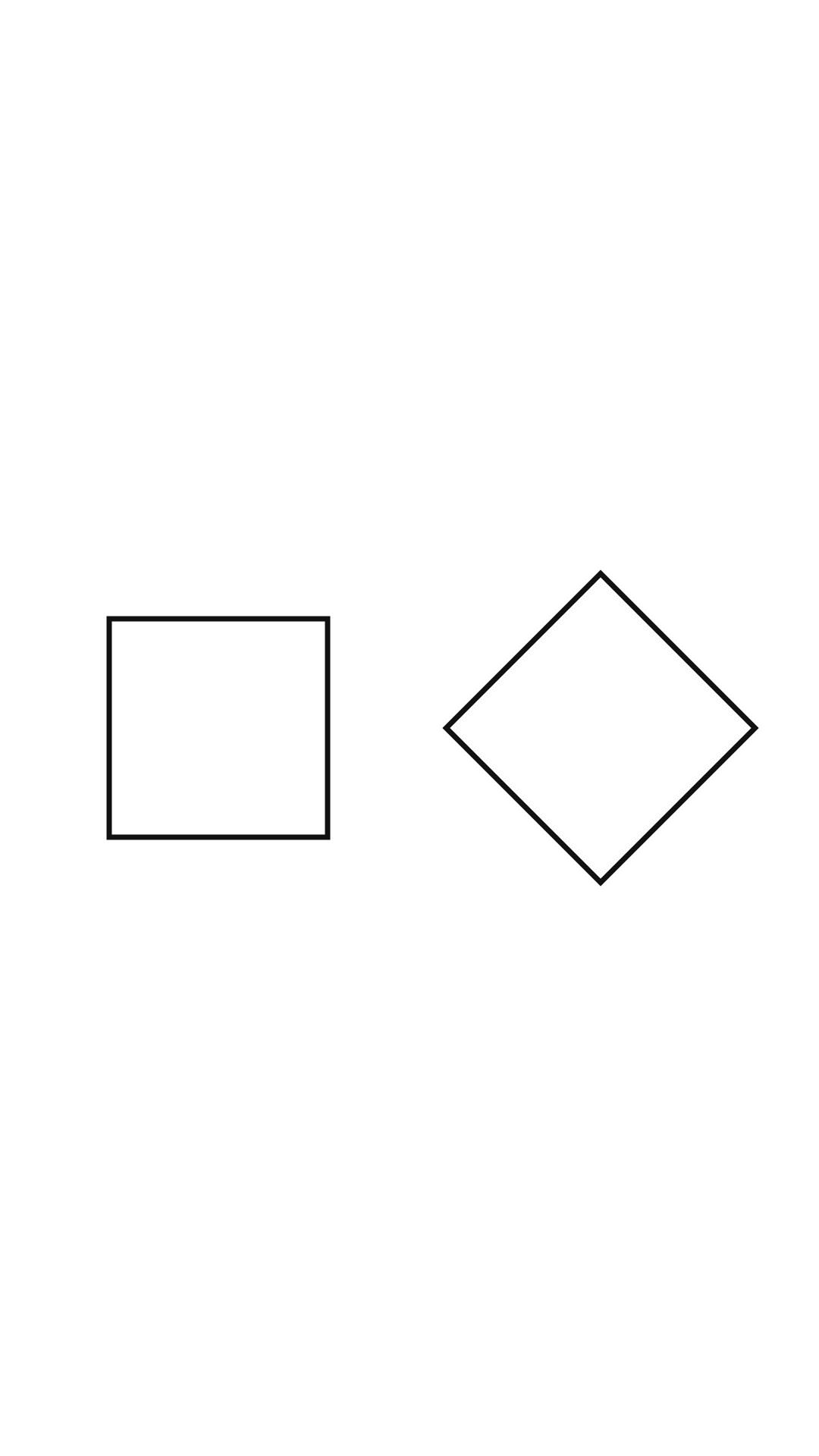
- Shorts / Reels vertical (1080×1920)
- Answer image — landscape (X)
- Answer image — square (Instagram)
- Answer image — vertical (Shorts)
- Post drafts (JSON)
Free to use for non-commercial purposes such as classes, school projects and blogs, with a link back to this page as the credit. Commercial use is not covered
Every figure is generated here from the phenomenon itself (re-implemented). The general phenomenon's principle is re-implemented here as SVG. No existing figure or code is reproduced.