Jastrow Arcs
Jastrow Arcs — 2026, generated SVG, dimensions variable · Geometry · Still
After Joseph Jastrow, 1889
Which curved piece is larger?
Which looks bigger — the top or the bottom?
Share
Reveal the answer
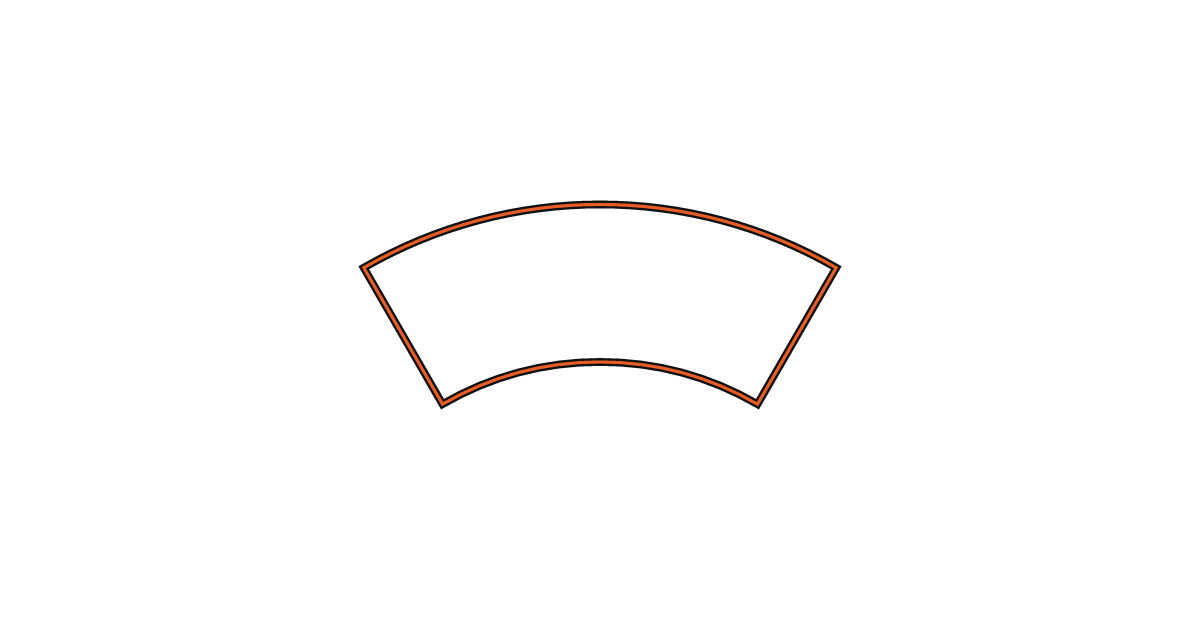
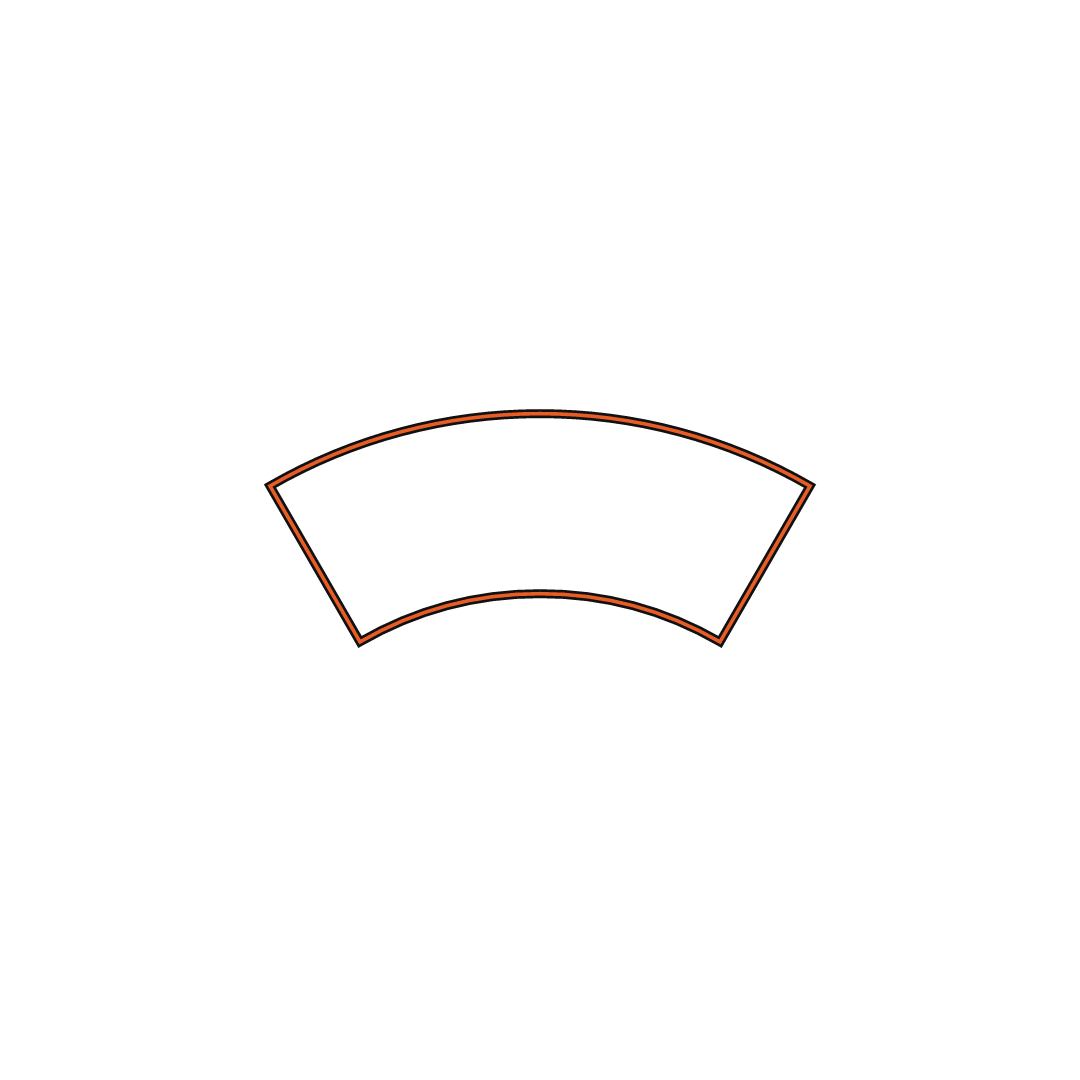
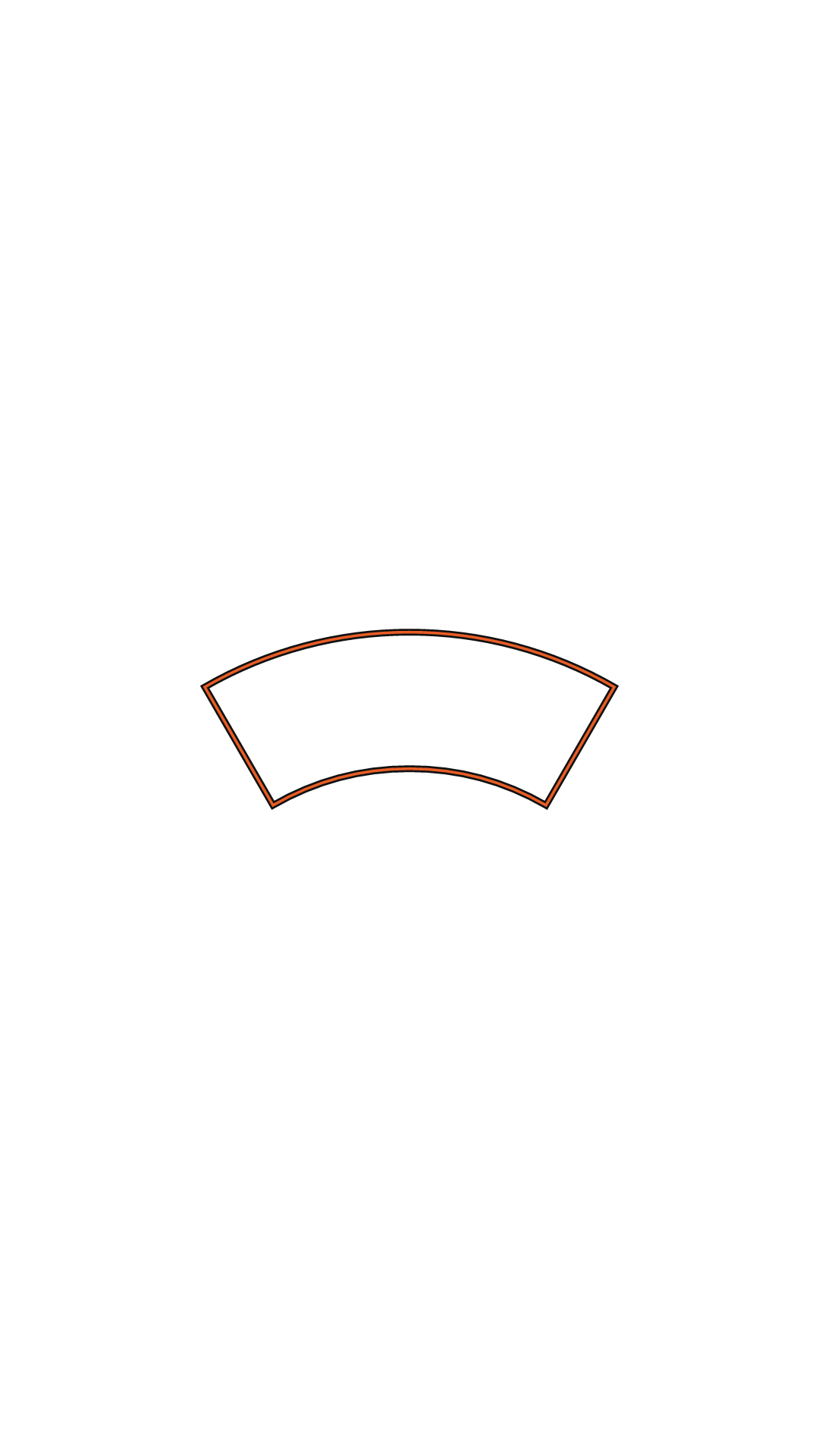
The top and bottom shapes are congruent. Stacked, their outlines match exactly.
↑ The mechanism, made visible.
Notes — why it looks that way
What is happening
Compare the top shape and the bottom shape by their apparent area. Both are made from the same arc and straight edges, only their position differs. If the bottom looks longer, nothing has actually been enlarged or deformed. Revealing the answer shifts both shapes to the same position and overlays their outlines to show they’re congruent.
Why it looks that way
A curved band has a longer outer edge and a shorter inner edge. Stacking two of them brings edges of different lengths close together, which affects how you judge overall size. This local comparison alone may not fully explain the whole mechanism, though.
How to check
After seeing the overlaid figure, go back to the original arrangement. Check whether it still looks different even though you know it isn’t, or whether it now looks the same. What’s interesting is that your knowledge and what you feel in the moment don’t always agree.
See another geometric illusion
First described
After Joseph Jastrow, 1889
Franz Carl Müller-Lyer described a related effect the same year. Also called the "Wundt–Jastrow illusion" or the "boomerang illusion".


Media — images and data
- OG / X (1200×630)
- Instagram square (1080×1080)
- Shorts / Reels vertical (1080×1920)
- Answer image — landscape (X)
- Answer image — square (Instagram)
- Answer image — vertical (Shorts)
- Post drafts (JSON)



Free to use for non-commercial purposes such as classes, school projects and blogs, with a link back to this page as the credit. Commercial use is not covered
Every figure is generated here from the phenomenon itself (re-implemented). The general Jastrow illusion principle is re-implemented here as SVG. No existing figure or code is reproduced.