Filled Space
Oppel-Kundt — 2026, generated SVG, dimensions variable · Geometry · Still
After Johann Joseph Oppel, 1855
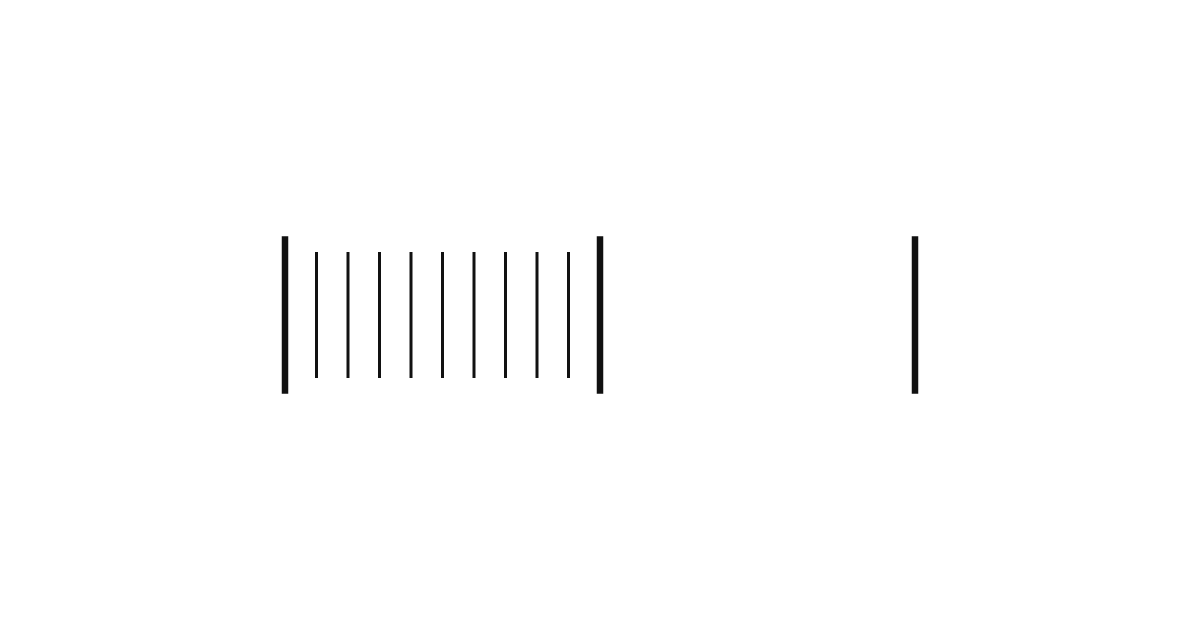
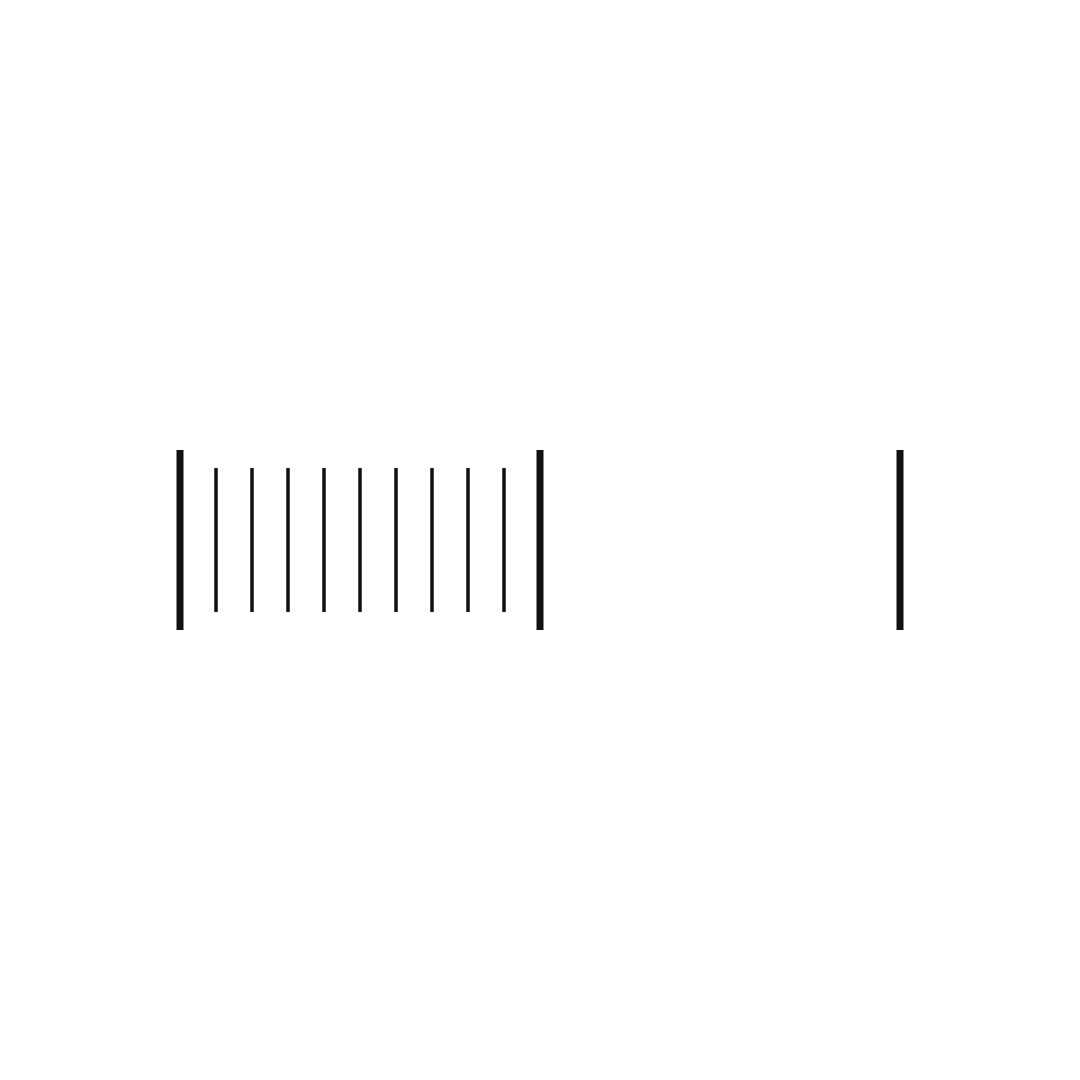
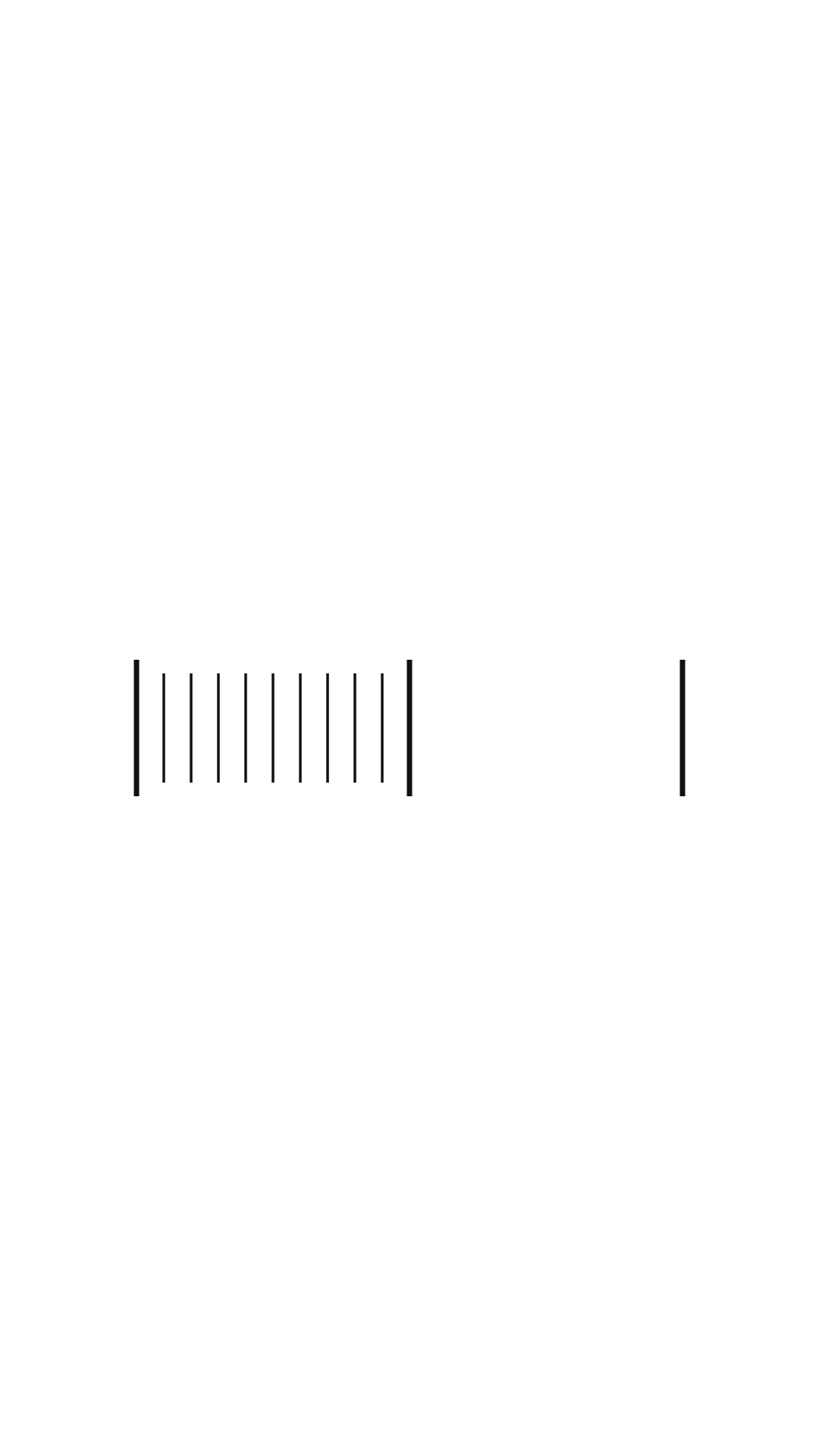
Which interval is longer?
Which interval is longer, left or right?
Share
Reveal the answer
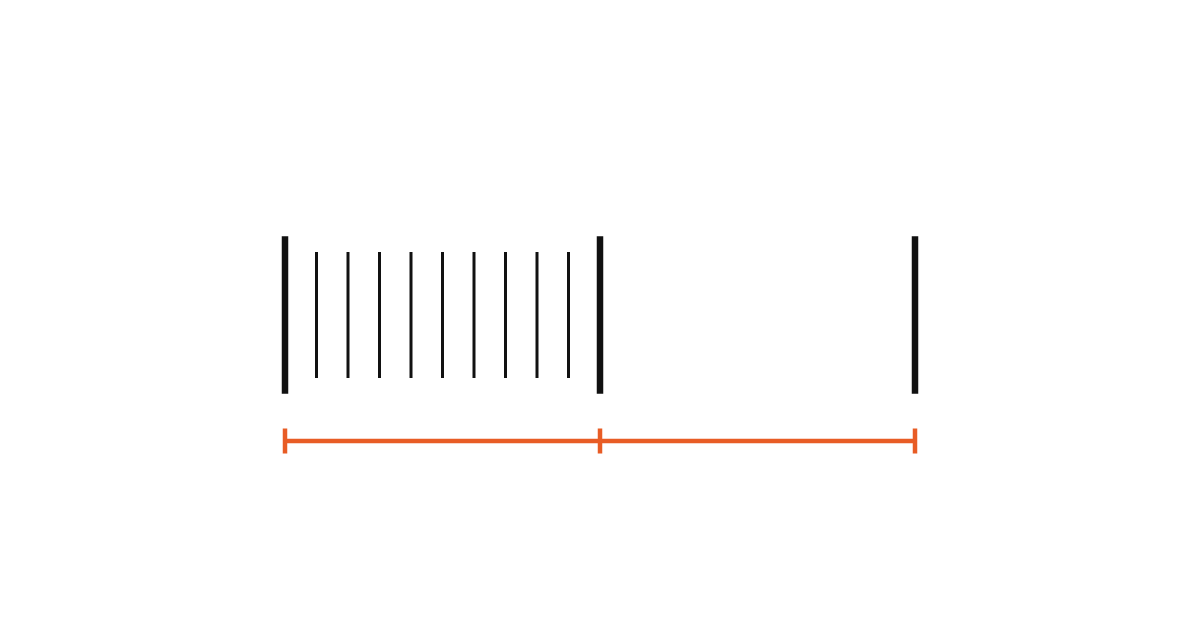
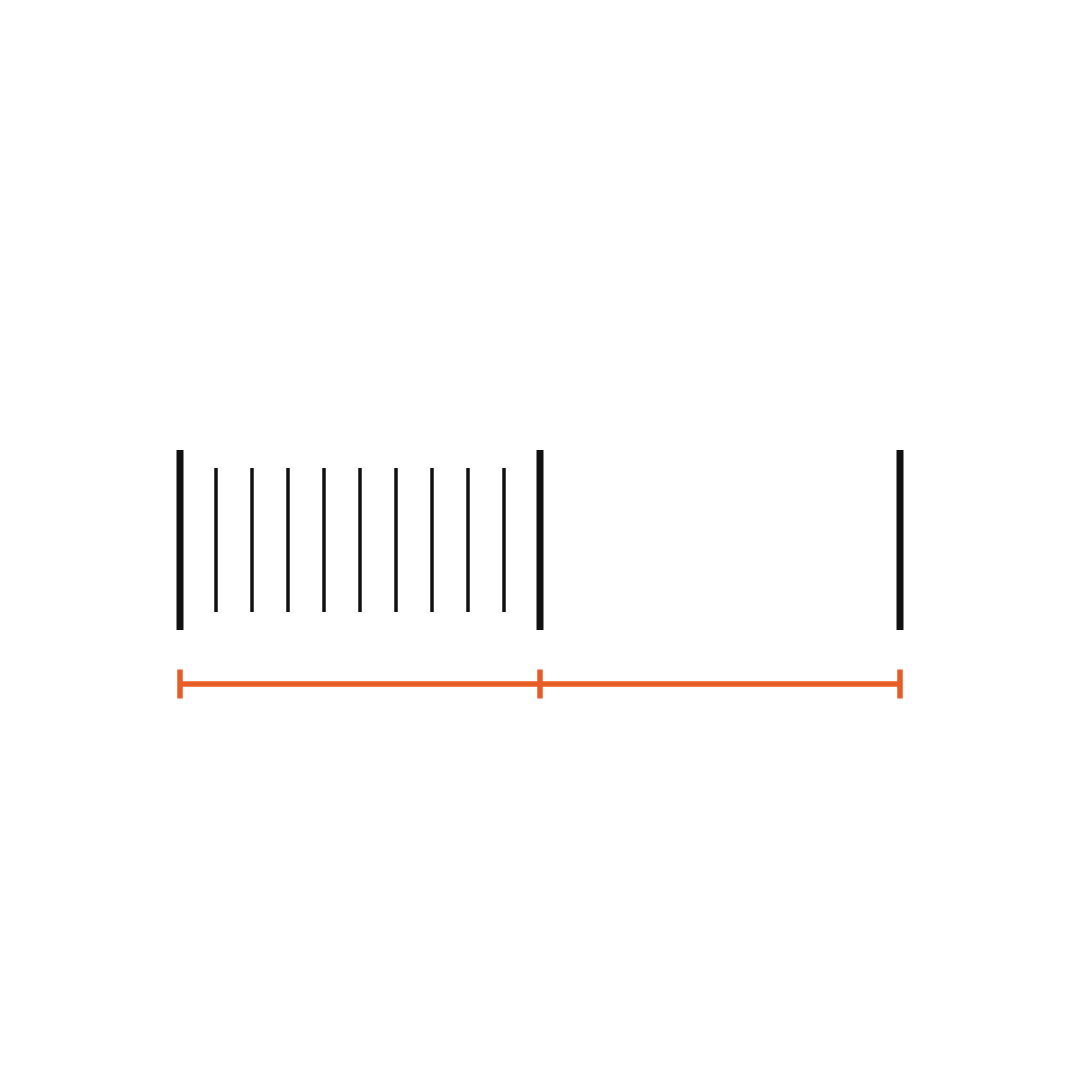
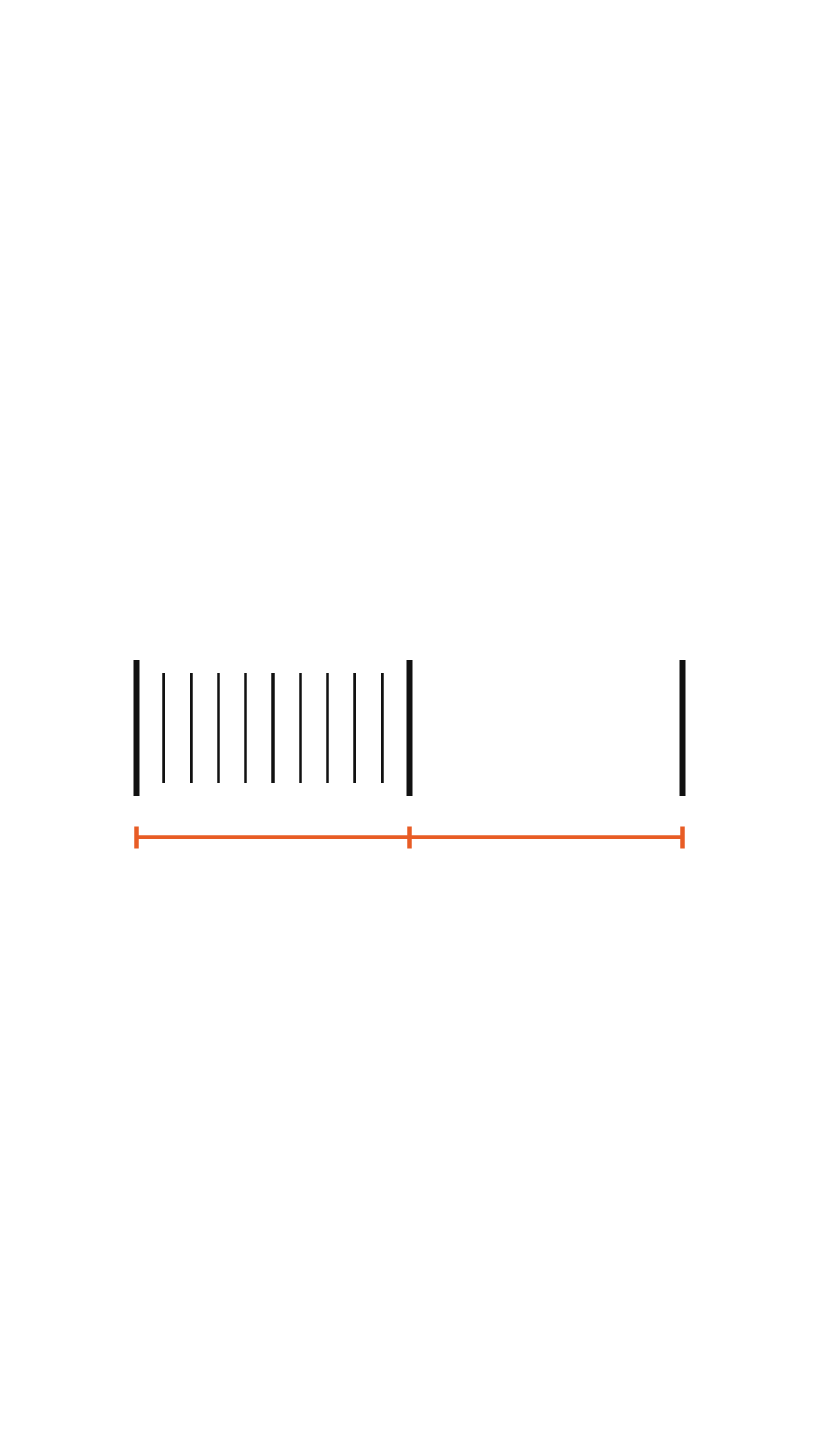
The spacing between the three thick markers is the same on both sides.
↑ The mechanism, made visible.
Notes — why it looks that way
What is happening
Treat the thick line at the left end and the one in the center as one pair, and the center and right-end lines as another pair. Both intervals span 200 units, but only the left one has thin lines filling it. Compare the overall width of each interval by feel, before opening the answer, rather than counting the lines.
Why it looks that way
When your visual system judges how much space something spans, internal subdivisions also play a role. The same distance can look longer when the interval contains marks along the way. The effect changes with the number and placement of marks, and adding more marks doesn’t necessarily make it stronger.
How to check
Hiding the background tick marks leaves only the three evenly spaced lines. Revealing the answer shows both sides against the same ruler position. Comparing the distance between endpoints, not filled area, is the condition of this question.
For reference: explanation and research. The figure here is an original implementation.
First described
After Johann Joseph Oppel, 1855
Oppel described it in under a page without a figure; August Kundt studied it in detail in 1863, which is why both names are attached to it.

Media — images and data
- OG / X (1200×630)
- Instagram square (1080×1080)
- Shorts / Reels vertical (1080×1920)
- Answer image — landscape (X)
- Answer image — square (Instagram)
- Answer image — vertical (Shorts)
- Post drafts (JSON)
Free to use for non-commercial purposes such as classes, school projects and blogs, with a link back to this page as the credit. Commercial use is not covered
Every figure is generated here from the phenomenon itself (re-implemented). The general phenomenon's principle is re-implemented here as SVG. No existing figure or code is reproduced.