Wundt Lines
Wundt Lines — 2026, generated SVG, dimensions variable · Geometry · Still
After Wilhelm Wundt
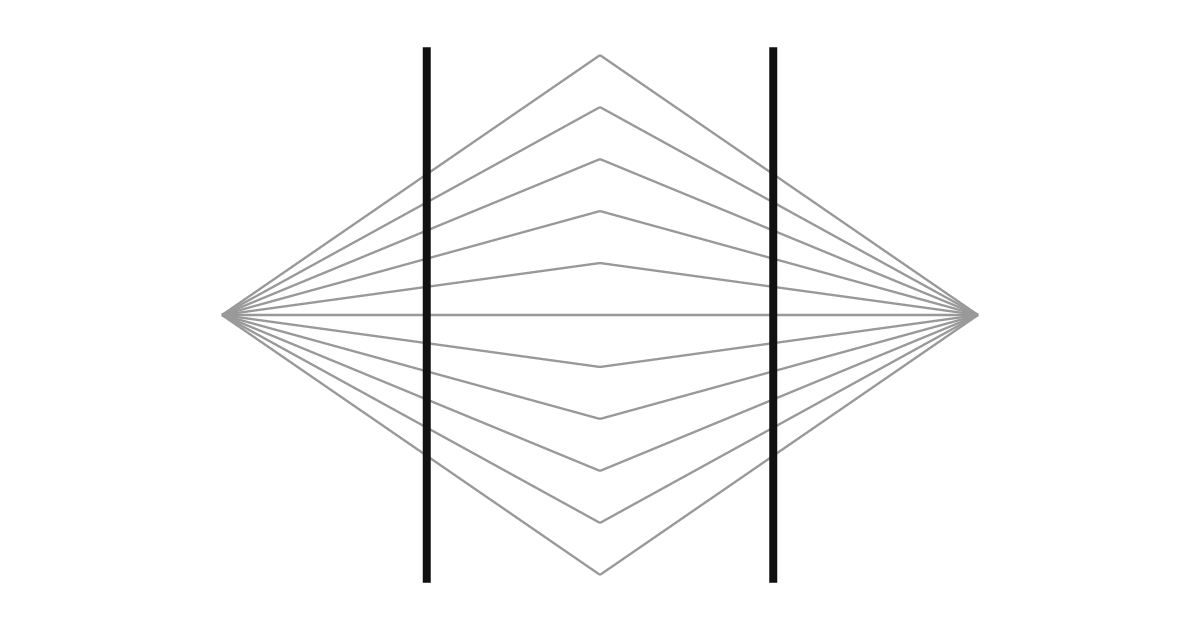
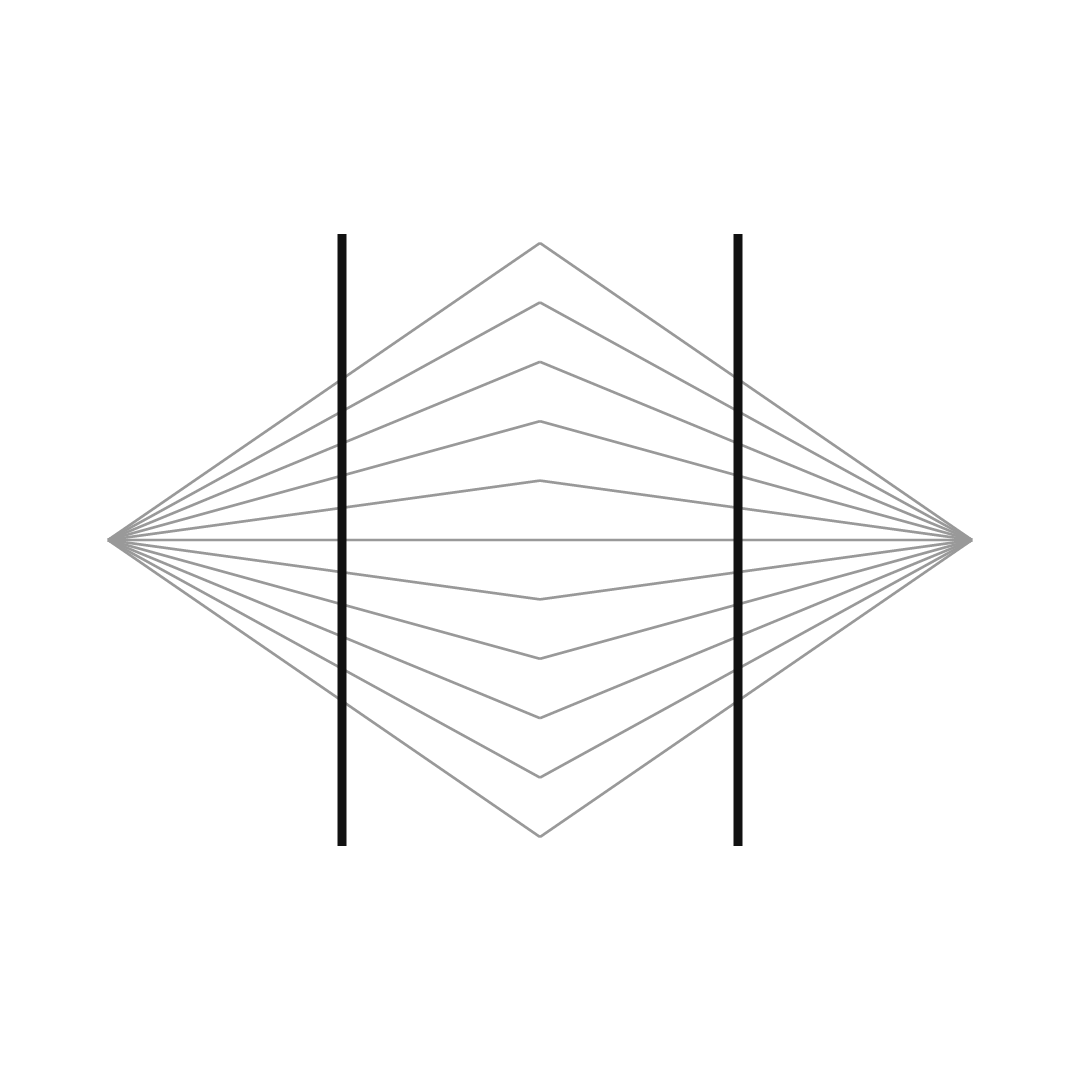
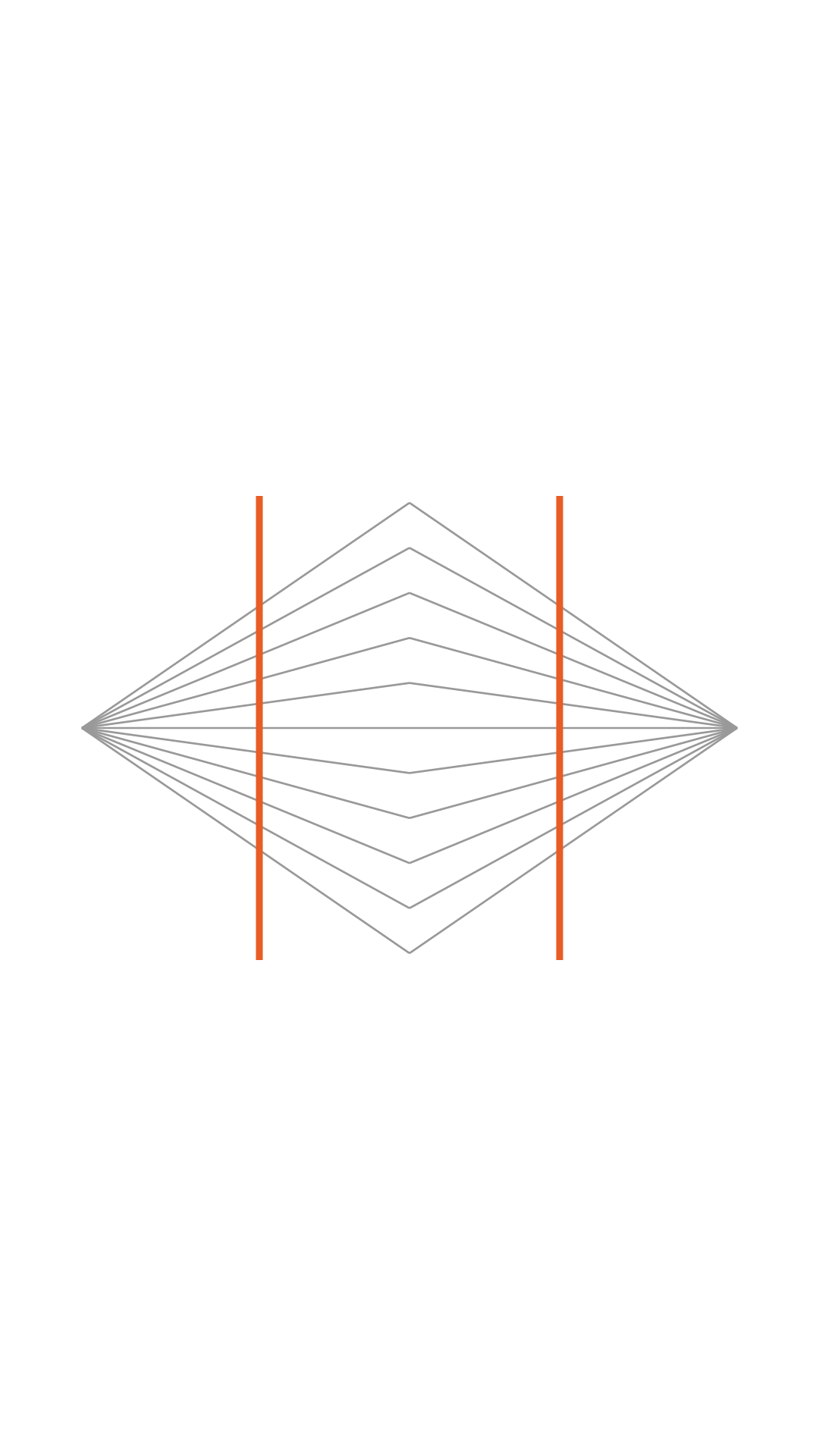
Do the lines bend inward?
Do the two lines curve inward?
Share
Reveal the answer
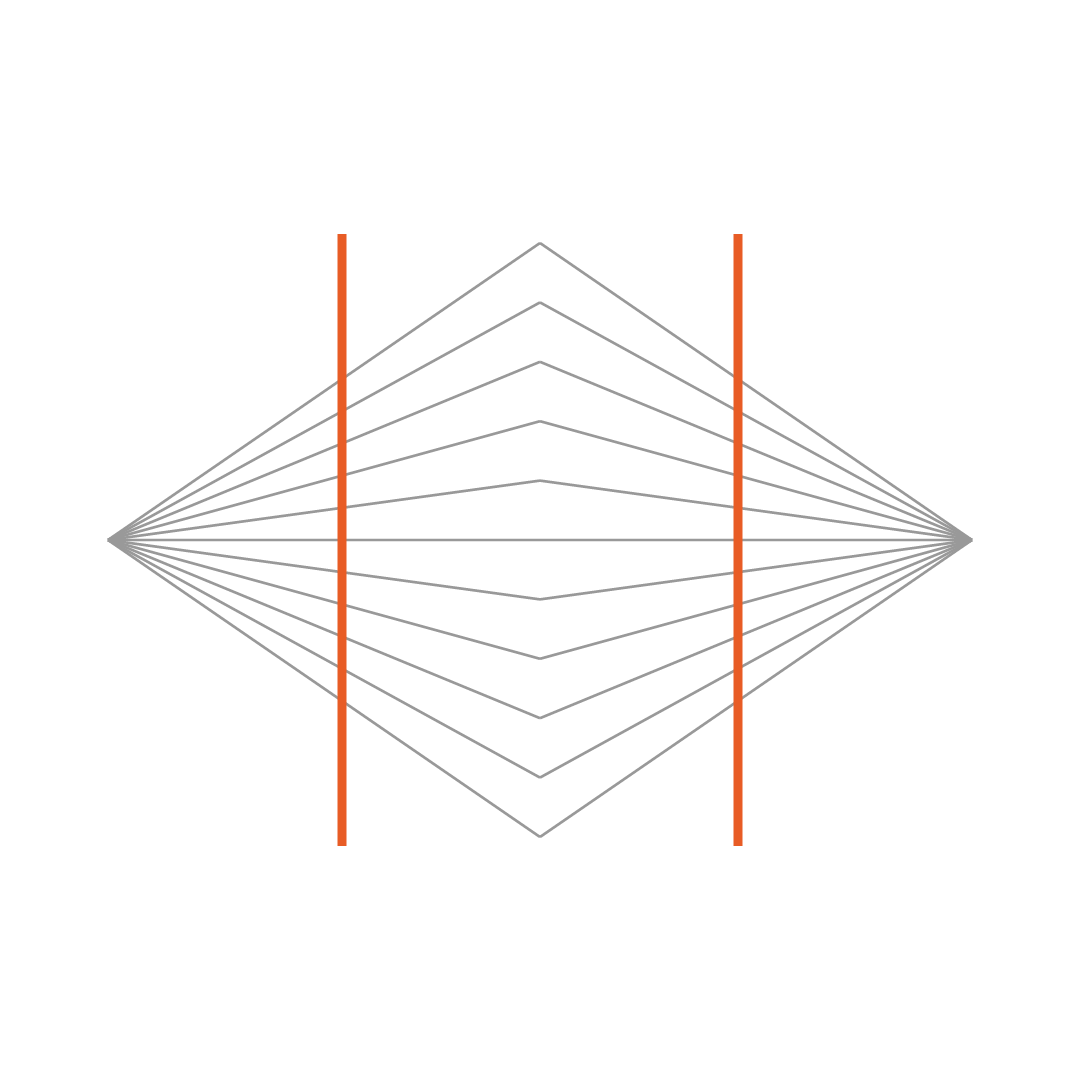
Both are straight, and parallel from top to bottom.
↑ The mechanism, made visible.
Notes — why it looks that way
What is happening
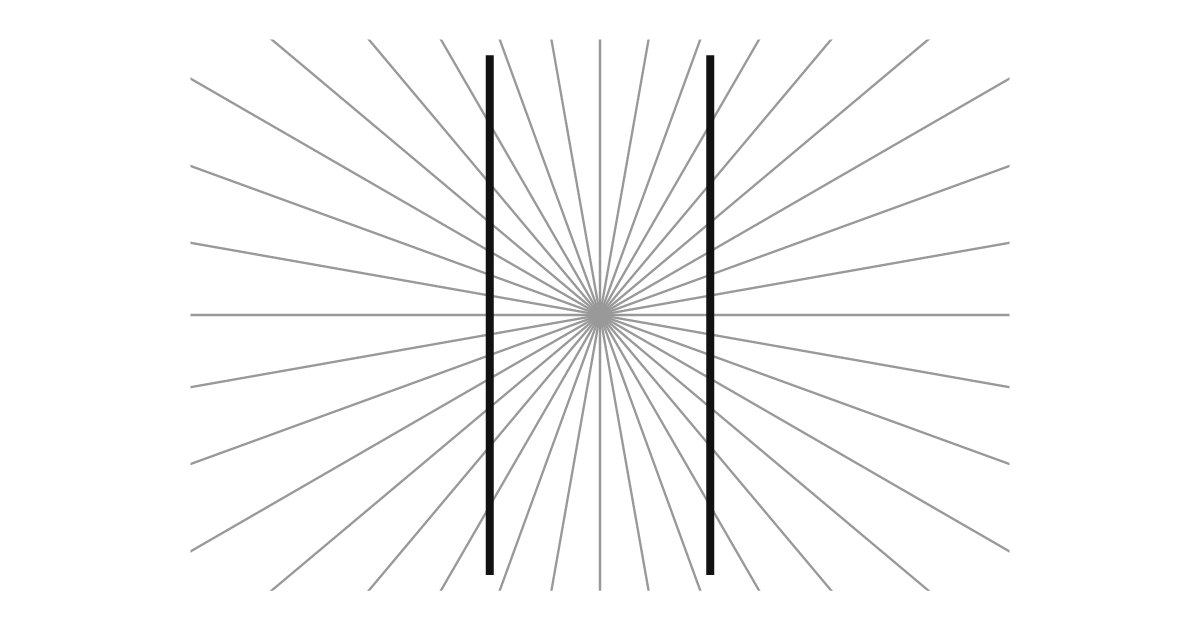
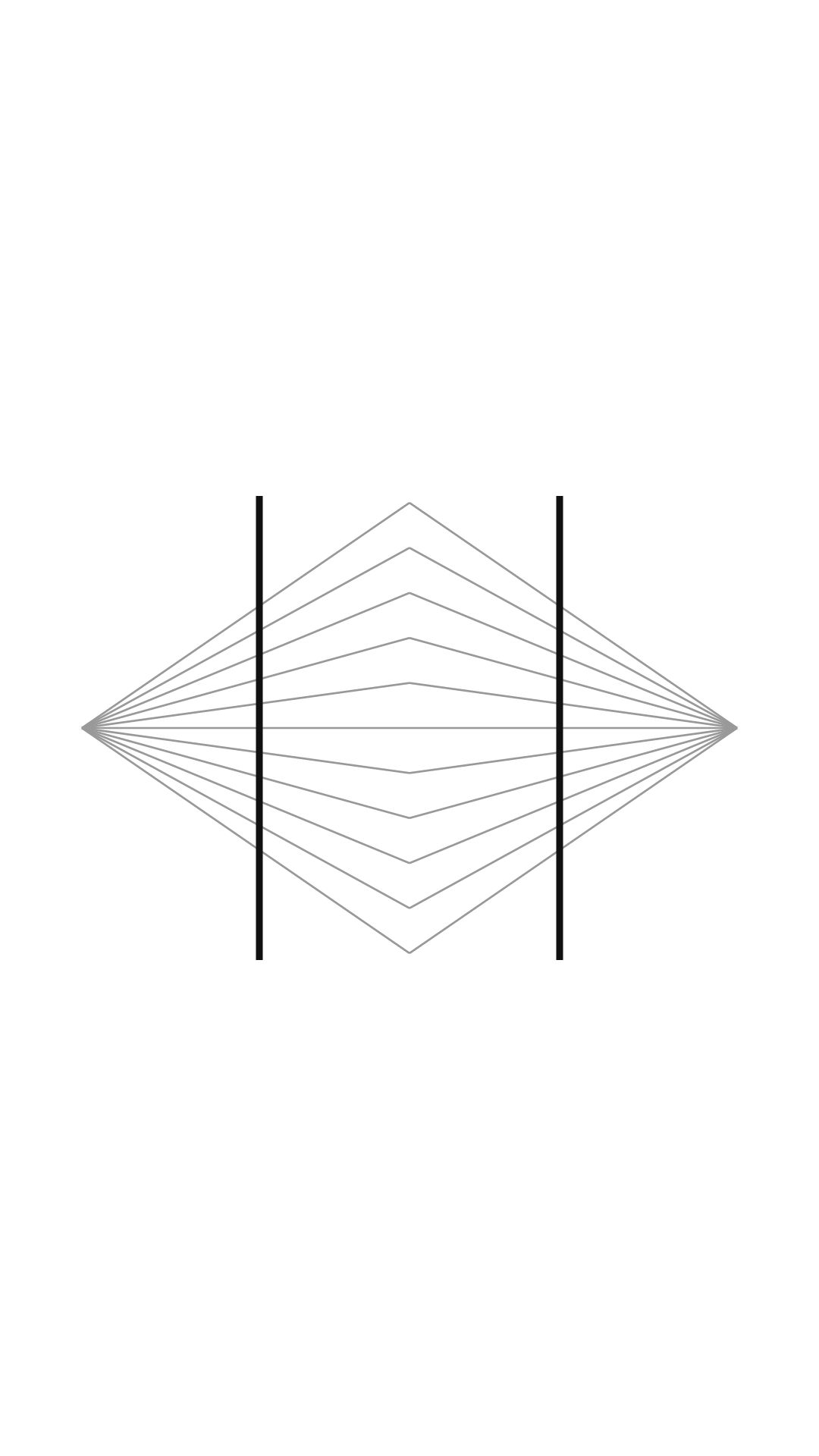
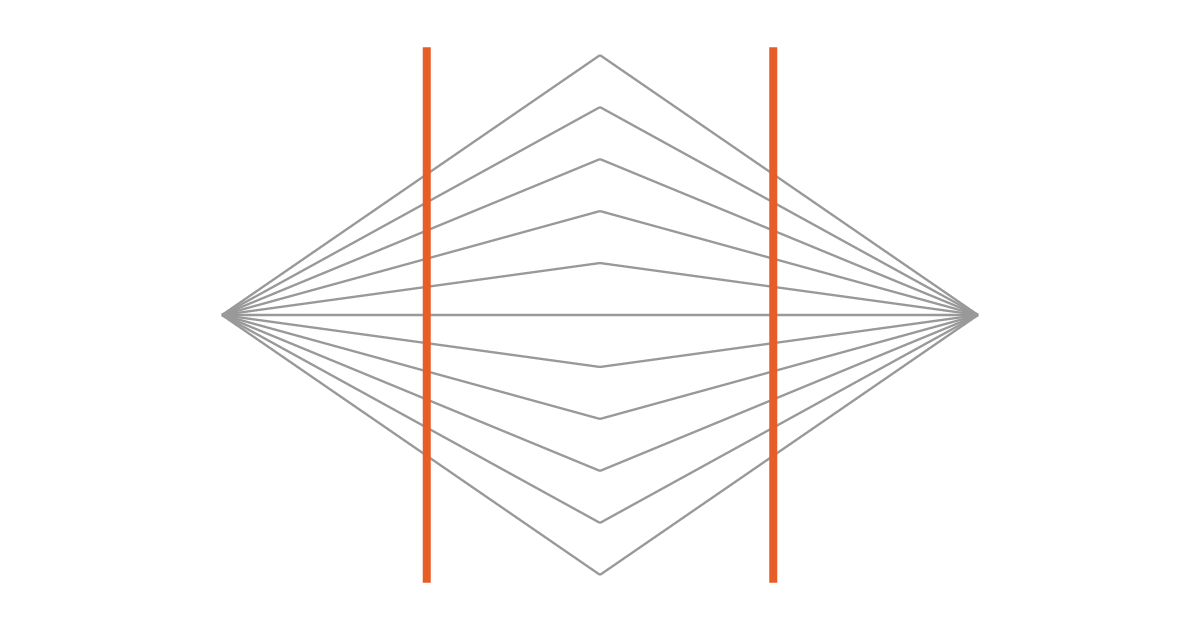
First take in the two thick lines as a whole, comparing the gap at the center against the gap at top and bottom. This figure places fan-shaped lines extending from left and right around a pair of straight lines. Nothing about it is actually animated — the impression changes purely from a static arrangement.
Why it looks that way
When the angle at which surrounding lines cross changes from place to place, it also affects the judgment of a long line’s direction. The directional context created by thin lines can make the middle of a thick line look pulled inward. It’s a figure that contrasts a geometric straight line with a perceived shape.
How to check
Removing the context hides only the fan-shaped background, leaving the two lines in the same place. Bringing the display back doesn’t move the endpoints. Since the Hering illusion uses a background radiating outward from the center, you can go back and forth between the two figures to compare which direction the curve appears in.
For reference: explanation and research. The figure here is an original implementation.
First described
After Wilhelm Wundt
Described in the late 19th century. It pairs with the Hering illusion, with the parallel lines appearing to curve in the opposite direction. The exact year of first description is not settled.

Media — images and data
- OG / X (1200×630)
- Instagram square (1080×1080)
- Shorts / Reels vertical (1080×1920)
- Answer image — landscape (X)
- Answer image — square (Instagram)
- Answer image — vertical (Shorts)
- Post drafts (JSON)
Free to use for non-commercial purposes such as classes, school projects and blogs, with a link back to this page as the credit. Commercial use is not covered
Every figure is generated here from the phenomenon itself (re-implemented). The general phenomenon's principle is re-implemented here as SVG. No existing figure or code is reproduced.