Fading Dots
Fading Dots — 2026, generated SVG, dimensions variable · Luminance · Still
After Ignaz Paul Vital Troxler, 1804
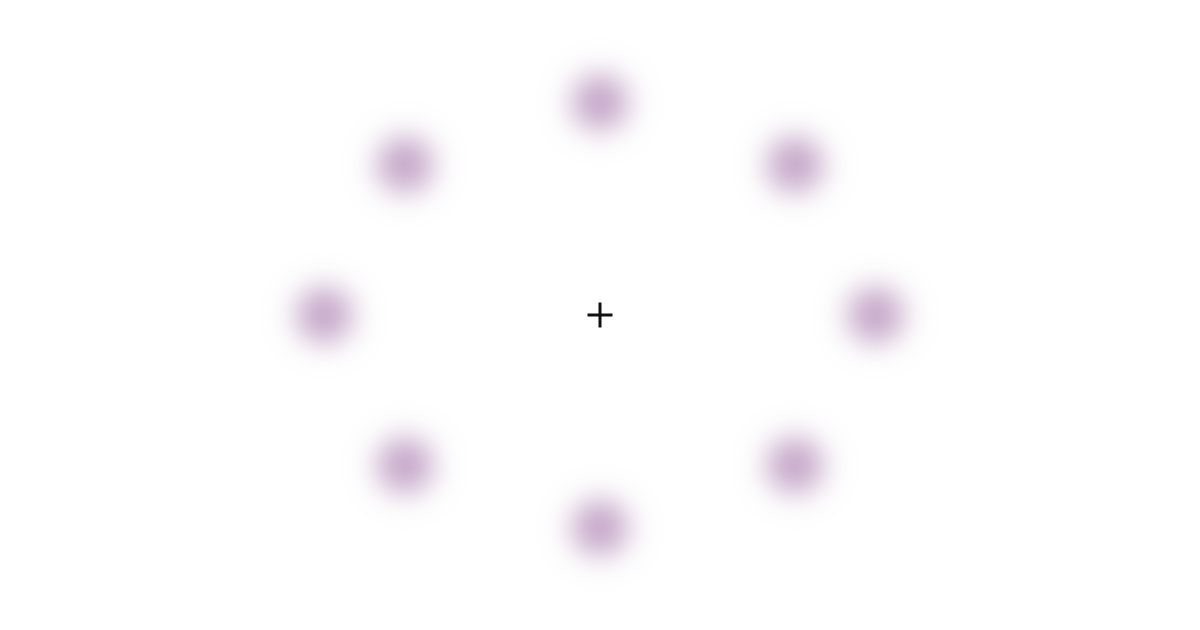
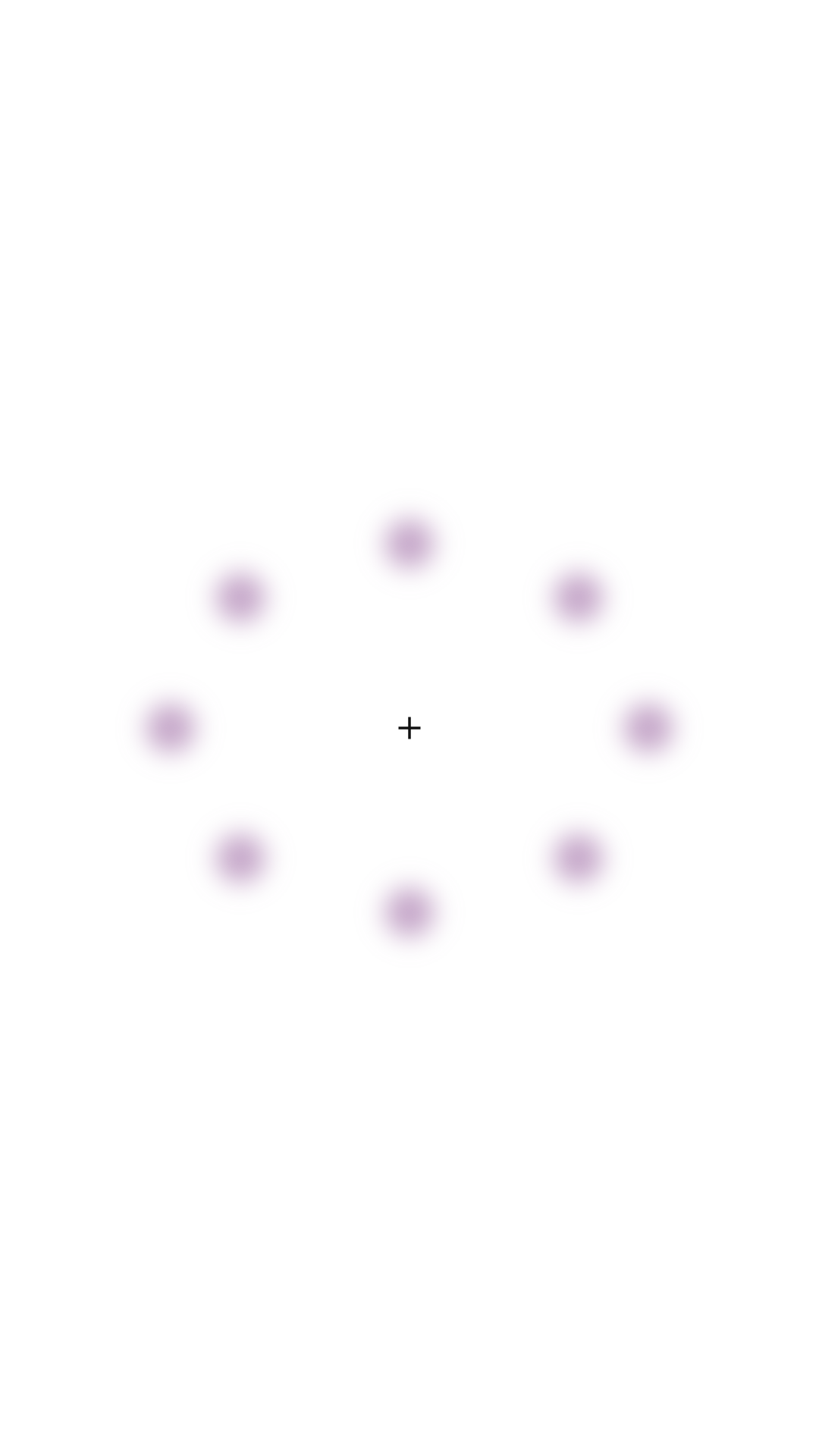
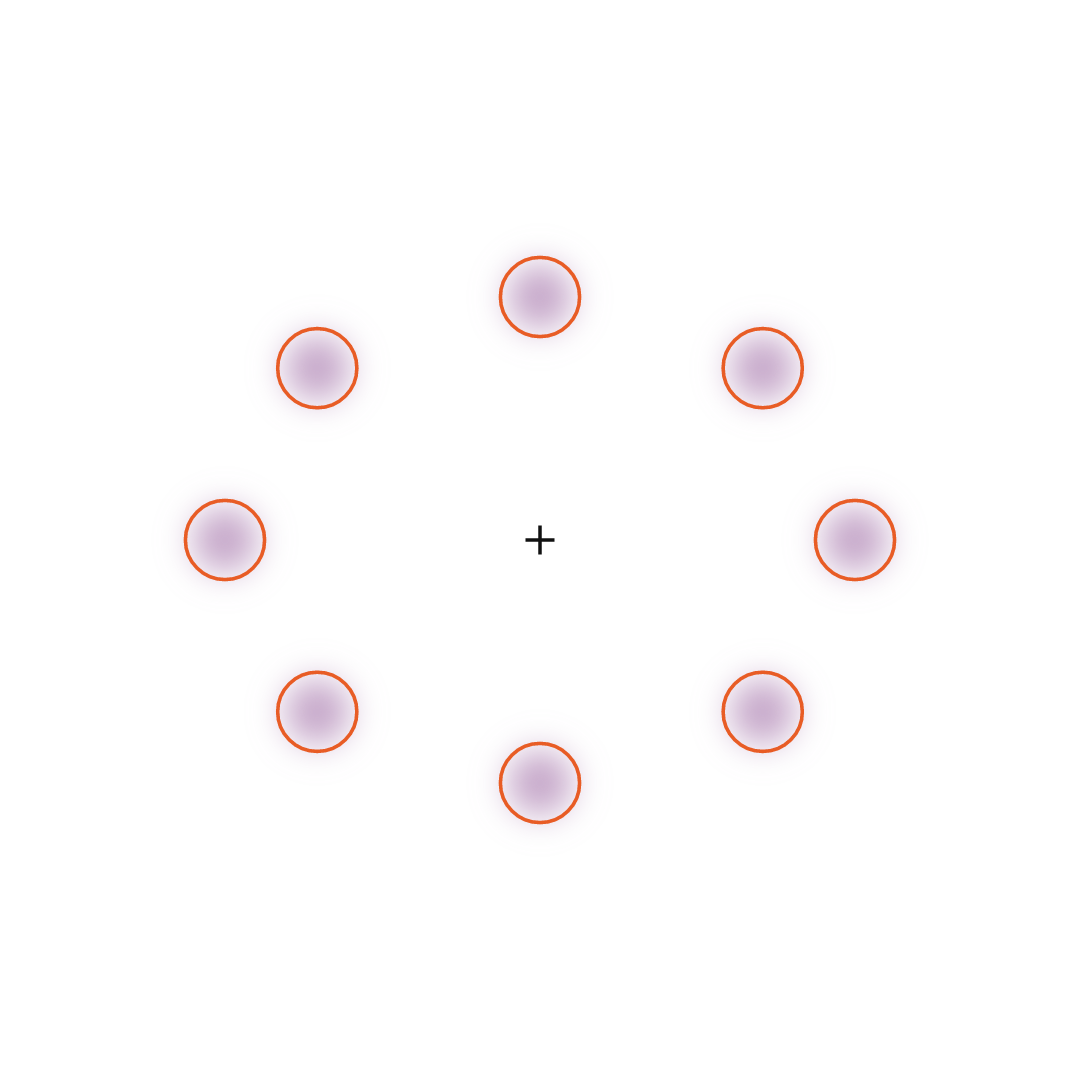
Do the pale dots fade?
Do the faint dots around it disappear?
Share
Reveal the answer
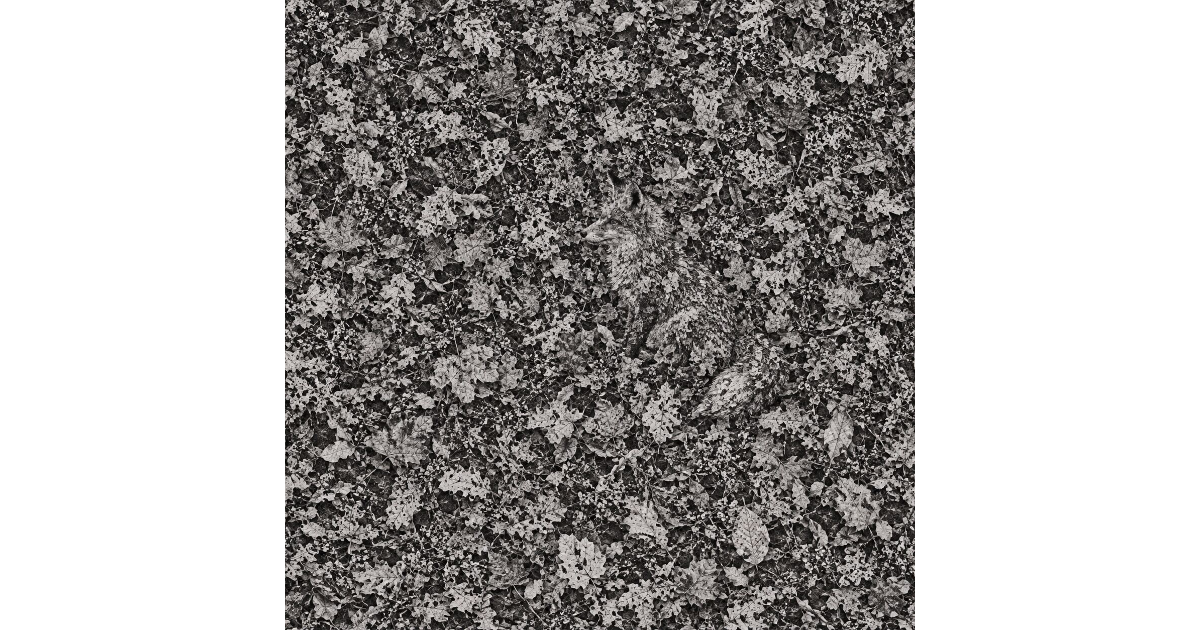
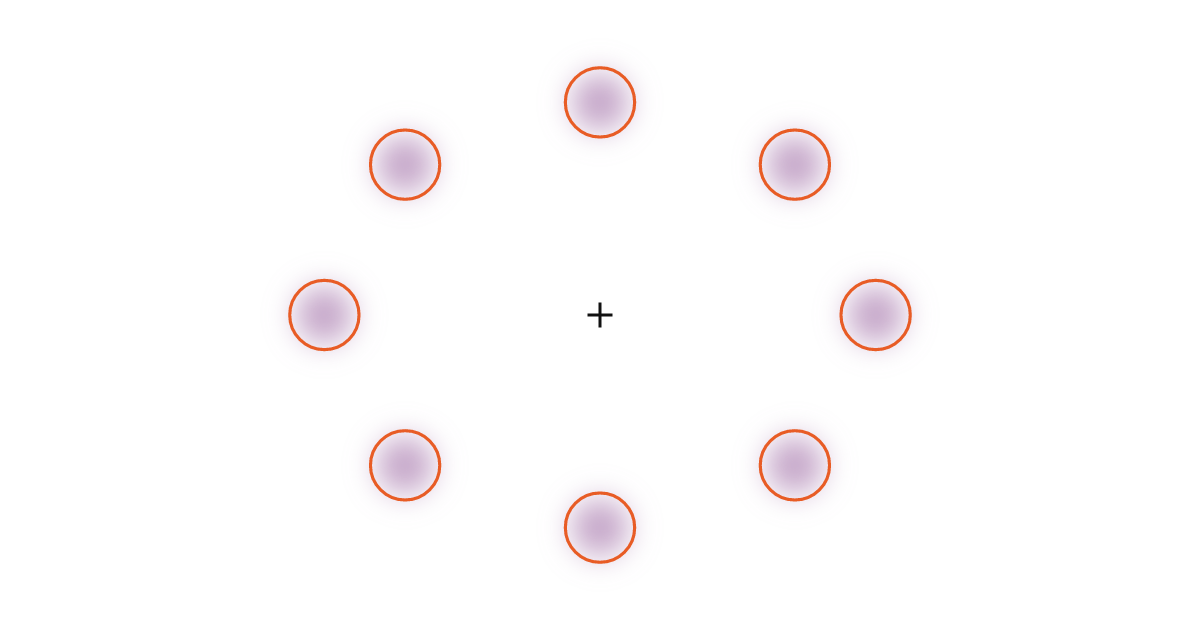
The dots never move. Moving your eyes just makes them easy to see again.
↑ The mechanism, made visible.
Notes — why it looks that way
What is happening
Rest your gaze on the center cross for about ten seconds, without directly tracking the faint dots. What you notice varies by person, screen, and viewing distance — you don’t need all eight dots to vanish at once. This isn’t an endurance test where you wait for them to disappear, so if your eyes get tired, feel free to just look away normally.
Why it looks that way
Fixing your gaze can make a low-contrast, unchanging stimulus at the edge of your vision fade from notice. Faint, blurry-edged shapes are especially prone to this. Move your eyes and the incoming stimulation changes, making the dots easy to see again — a difference worth observing for yourself.
How to check
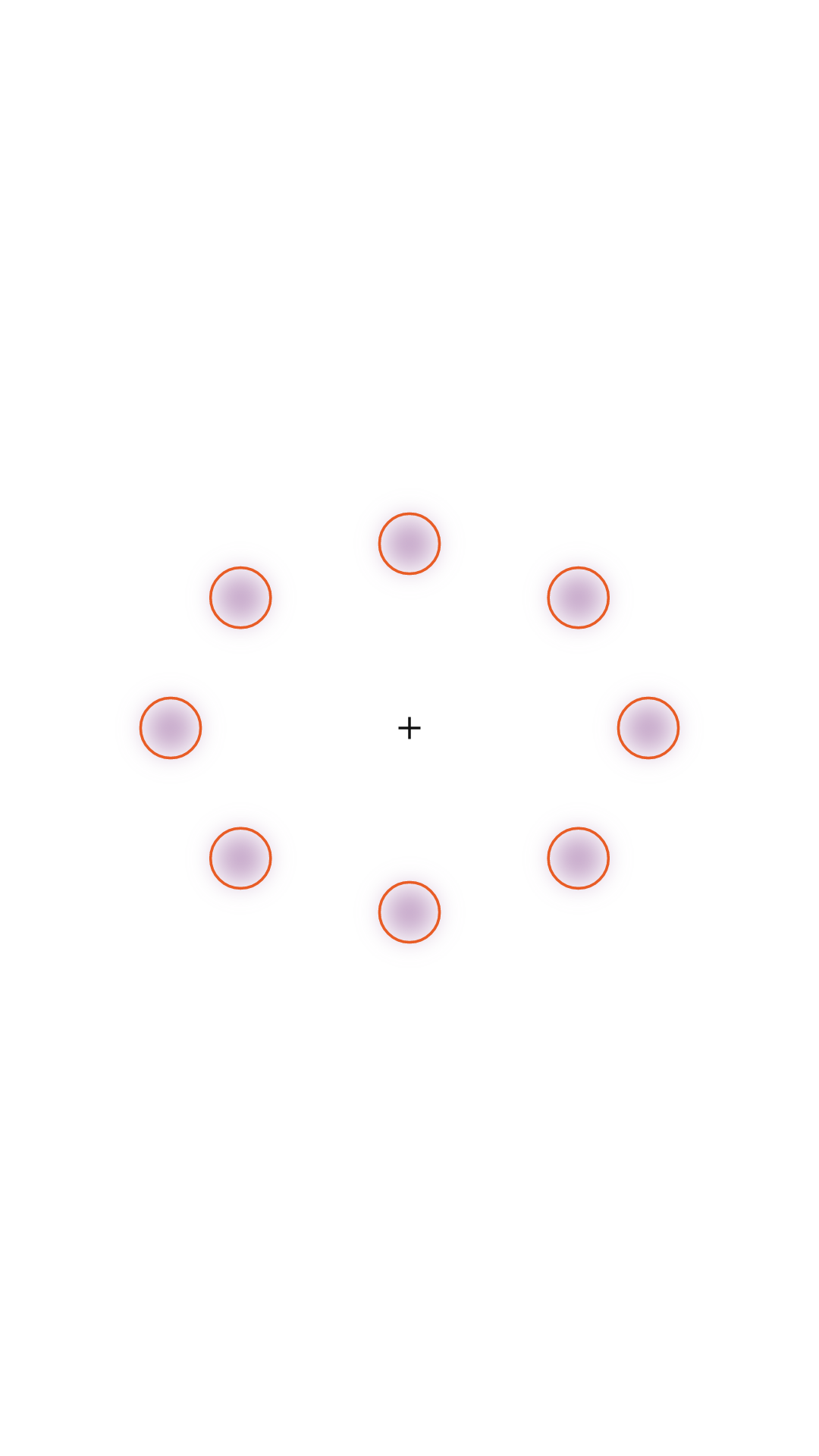
Revealing the answer traces each dot’s position with a thin outline. Once you confirm the original dots are still right there, close the answer and compare against what you saw while holding your gaze still. There’s no need to avoid blinking, and this is not a test of visual acuity or eye health.
For reference: explanation and research. The figure here is an original implementation.
First described
After Ignaz Paul Vital Troxler, 1804



Media — images and data
- OG / X (1200×630)
- Instagram square (1080×1080)
- Shorts / Reels vertical (1080×1920)
- Answer image — landscape (X)
- Answer image — square (Instagram)
- Answer image — vertical (Shorts)
- Post drafts (JSON)

Free to use for non-commercial purposes such as classes, school projects and blogs, with a link back to this page as the credit. Commercial use is not covered
Every figure is generated here from the phenomenon itself (re-implemented). The general phenomenon's principle is re-implemented here as SVG. No existing figure or code is reproduced.