There Is Not Always One Right Answer
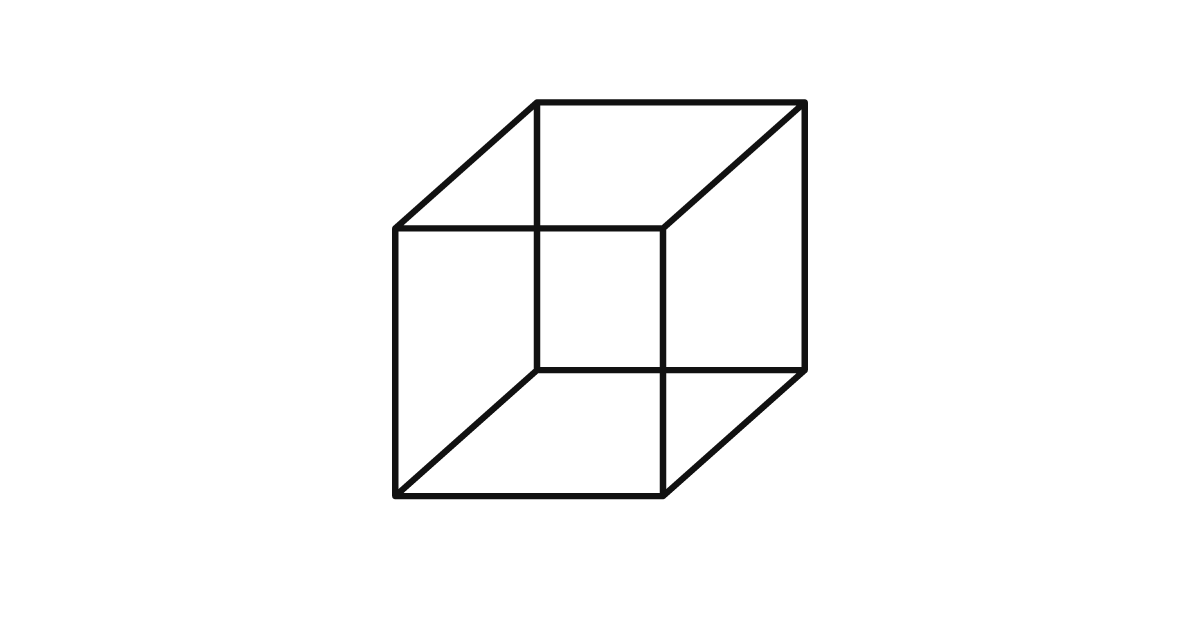
With a length illusion, you can measure and get an answer. In the Necker Cube, though, a line drawing alone cannot tell you which face is in front. There is no shading and no distinction between hidden and visible lines, so the same drawing supports more than one 3D reading.
If you read one face as near, the other becomes far. Shift your attention to another face and the view may flip. How fast it flips, or which way you favour, is not a score of any ability.
Motion Can Affect the Spin Direction Too
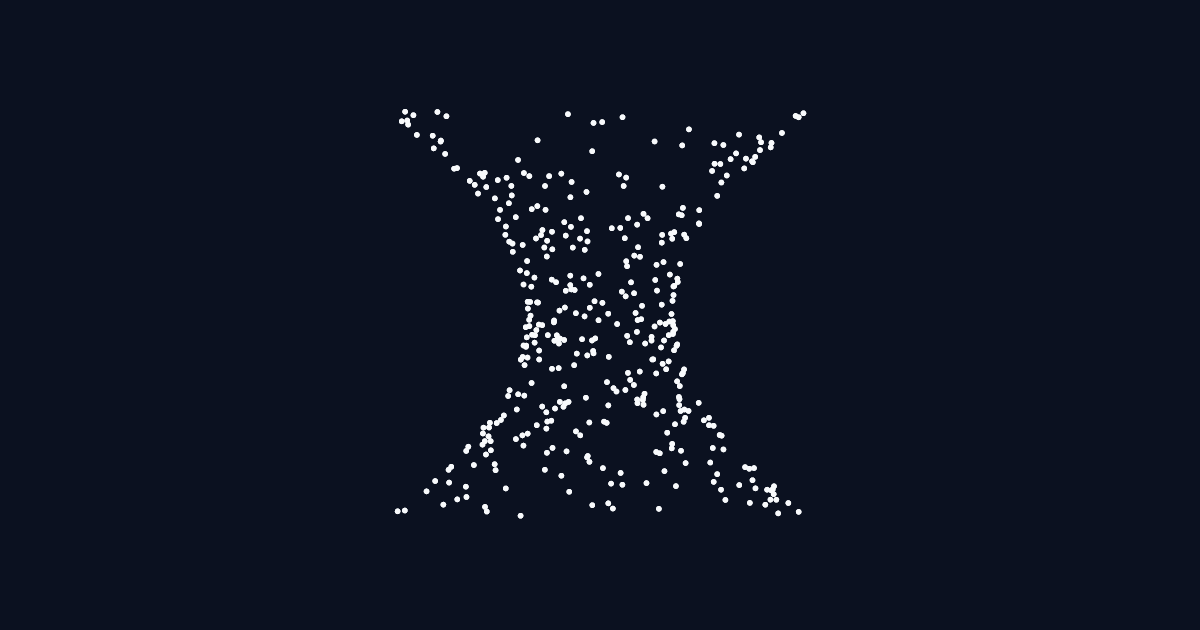
In Reversing Ring and Spinning Point Clouds, your reading of depth is tied to your impression of the spin direction. When swapping near and far gives the same motion on the flat screen, watching alone cannot settle on one direction. Looking three-dimensional and having one definite orientation in depth are different things.
When Figure and Ground Swap
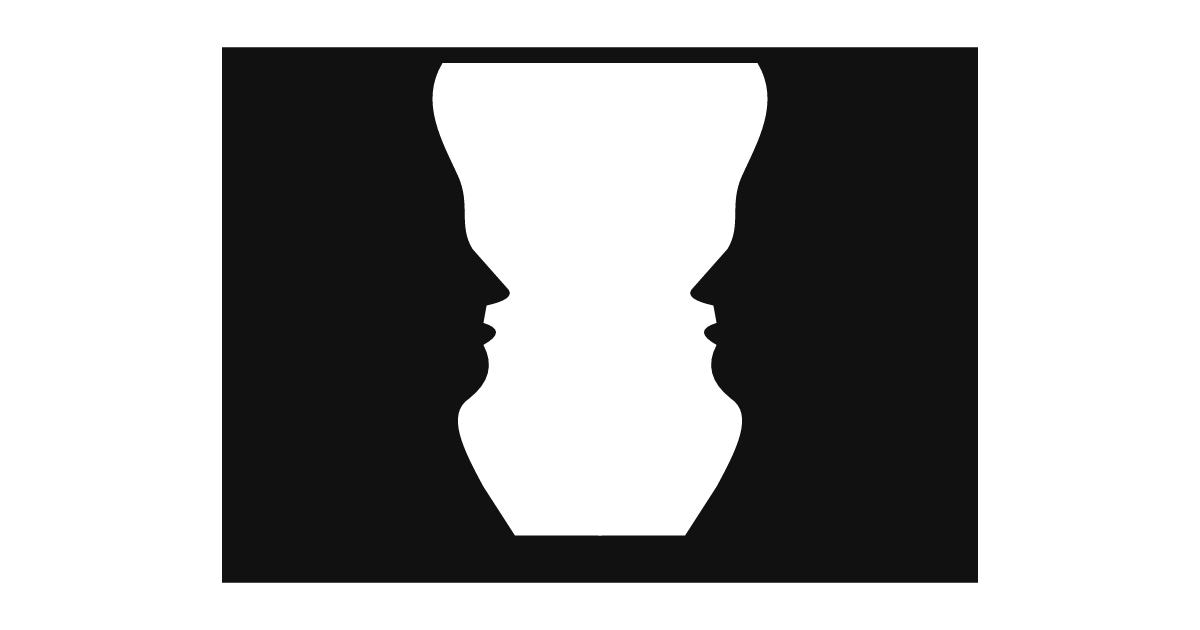
In Vase or Faces, what changes is less the direction in depth than which side you see as the object. Group the white region in the middle and you see a vase; group the black regions on the left and right and you see two faces looking at each other. The same boundary works for both readings.
The Answer View Is an Aid to Interpretation
Highlighting an outline or a region in colour makes one reading easier to see, but that does not mean you have found the single correct answer in the original image. Try removing the highlight and checking whether you can get back to both readings. That is another way to enjoy illusions, beyond “fixing a mistake”.
References: Michael Bach on the Necker Cube, Hanover College figure-ground demo.