First, Decide What You Are Comparing
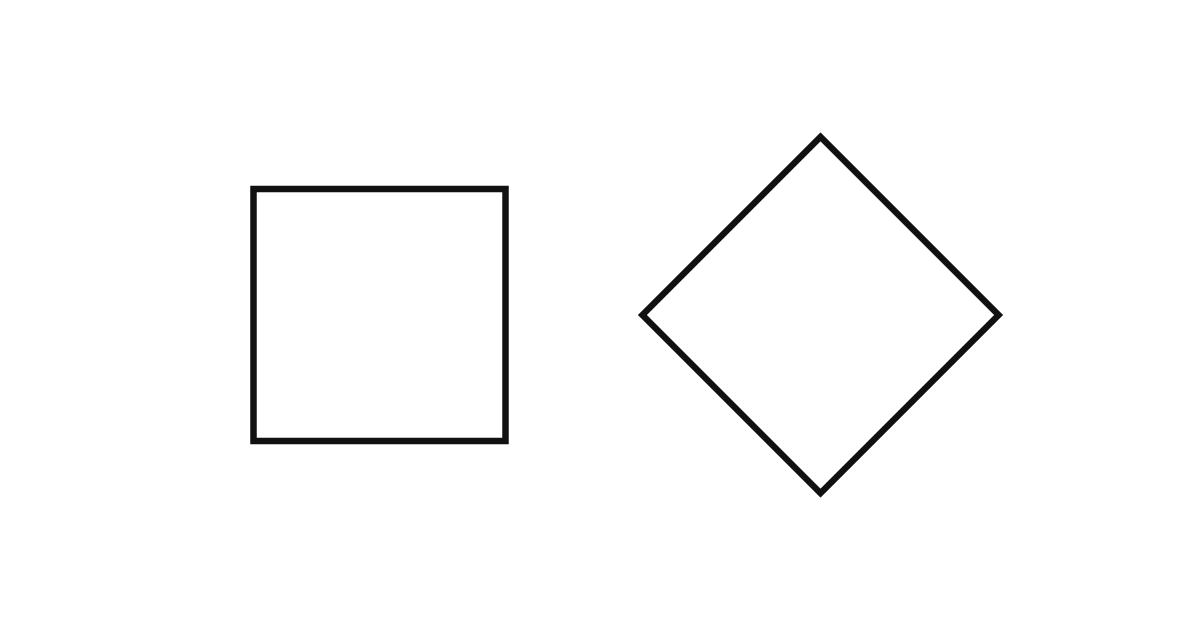
The question “which is bigger?” can mean length, area, or width on the screen. Square and Diamond lets you test that difference. A square rotated by 45 degrees has a wider bounding width, yet its side length and area do not change. If you counted the difference in width as an illusion too, the answer view would turn into a different problem.
Comparing Perspective and Enclosure
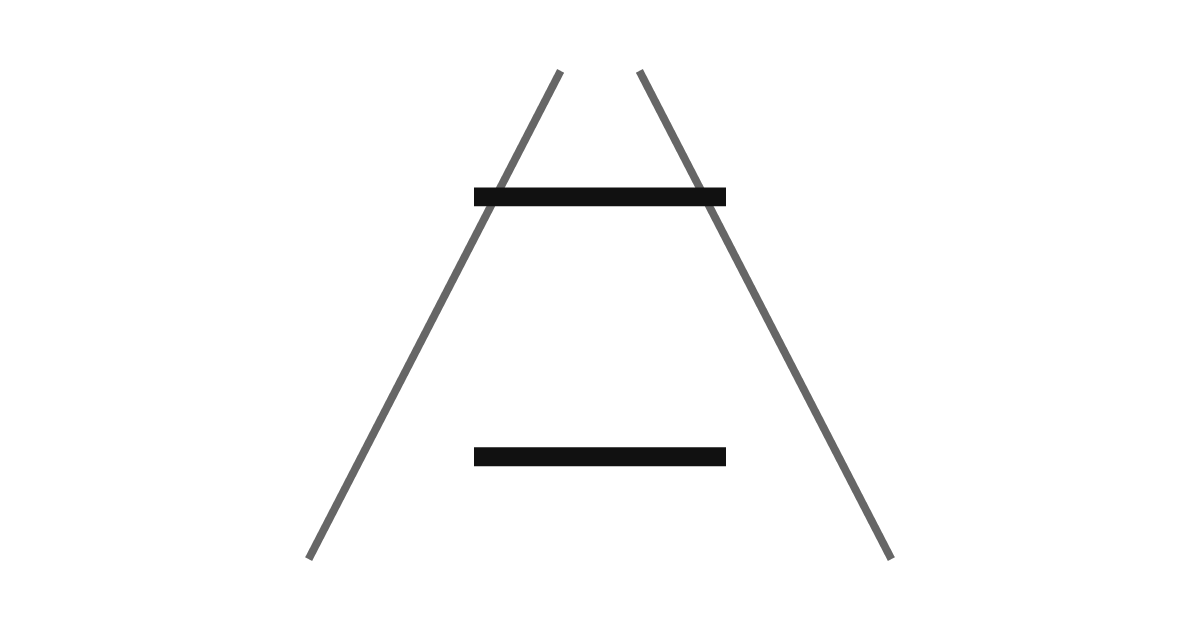
In the Ponzo Rails, crossbars of the same length sit between converging lines. When the surrounding lines are read as depth cues, the upper bar may feel longer. Keep the ends of the bars where they are, hide the surrounding lines, and see whether the impression changes.
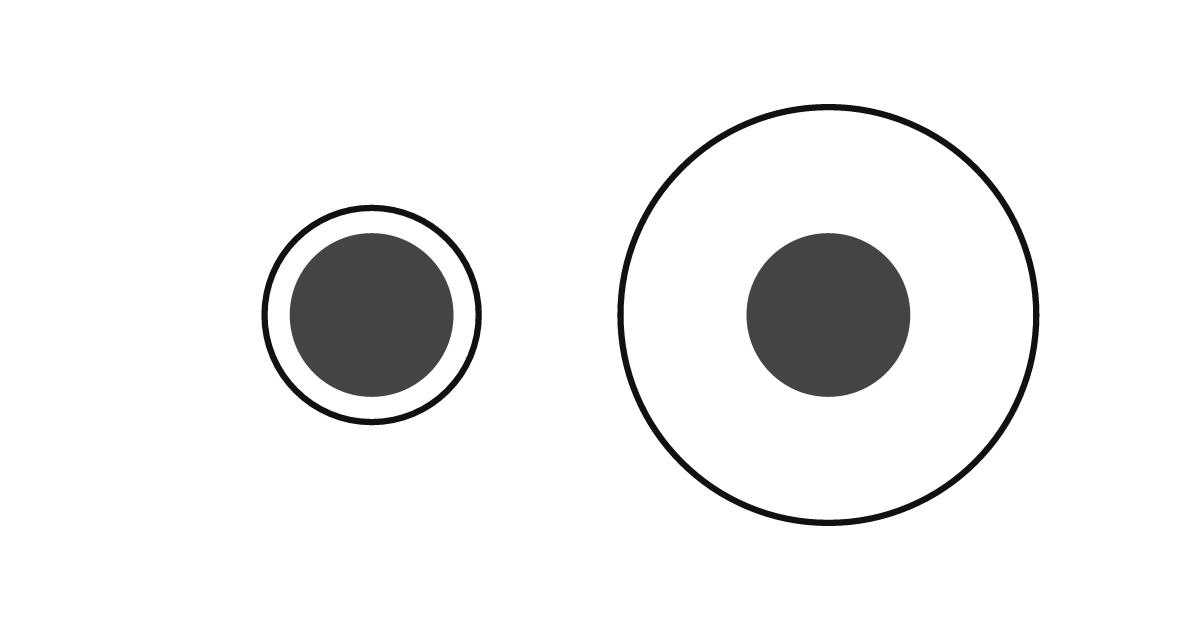
In Delboeuf Circles, the radius of the central circle is the same and only the outer ring changes size. How far the target sits from its surround changes the impression of its size. Both are comparisons that change only the context, without changing the target’s value.
Empty Space and Division Are Context Too
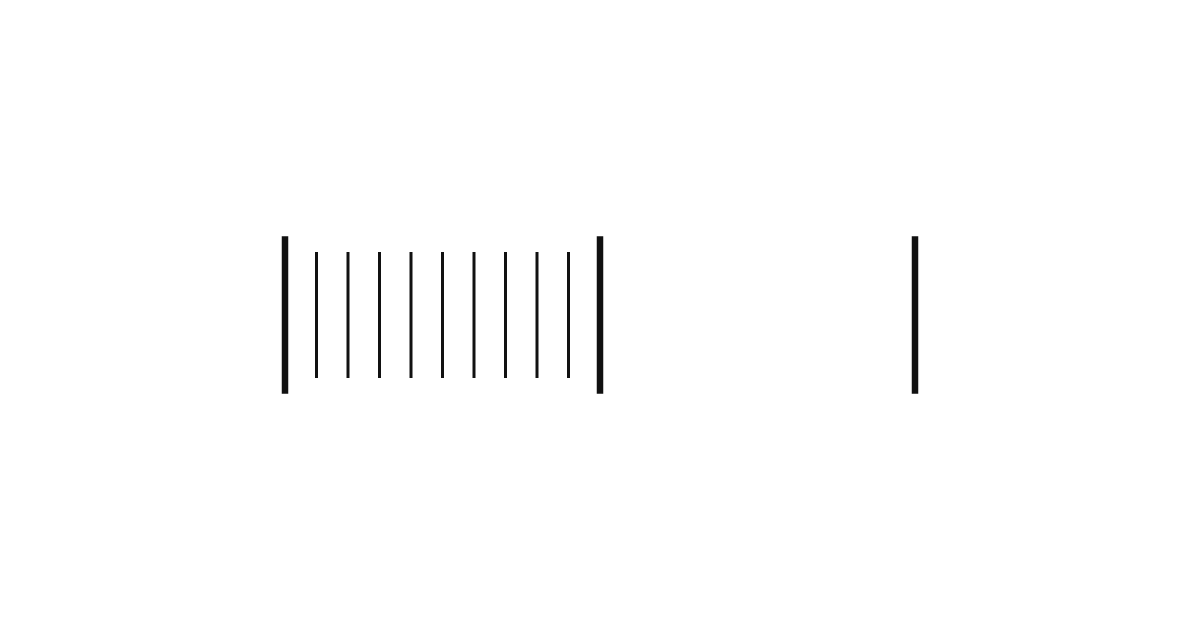
In Oppel-Kundt, tick marks are placed in only one of two equal intervals. Dividing an interval finely affects the judgement of its overall extent. Denser ticks do not always strengthen the effect, so the layout conditions have to be matched when comparing.
Try It in Three Steps
First, choose your impression without looking at the answer. Next, remove the cue or check the figure’s values with the answer overlay. Finally, go back to the original figure and see whether it still looks different now that you know the answer. Checking one by one what you changed to alter the impression teaches you more about the mechanism than competing over how strong the illusion is.
References: Akiyoshi Kitaoka’s illusion catalogue (Ritsumeikan University), Research on Oppel–Kundt.